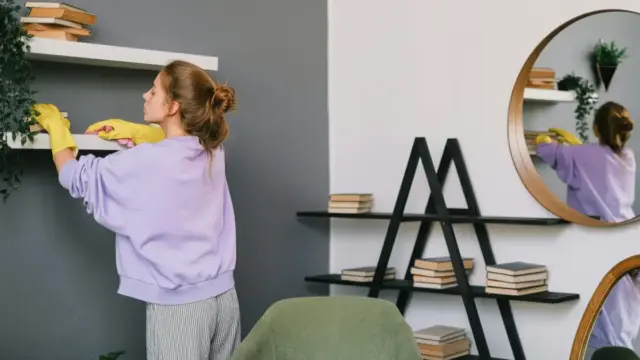
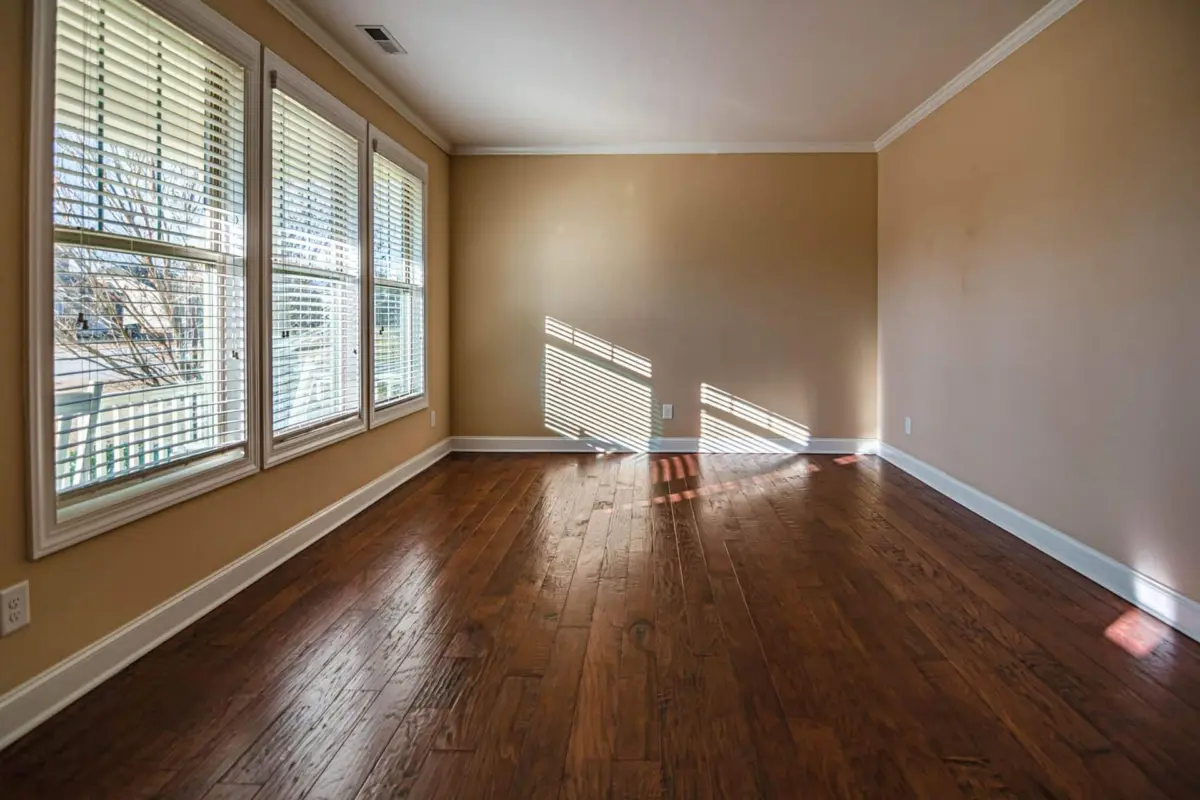
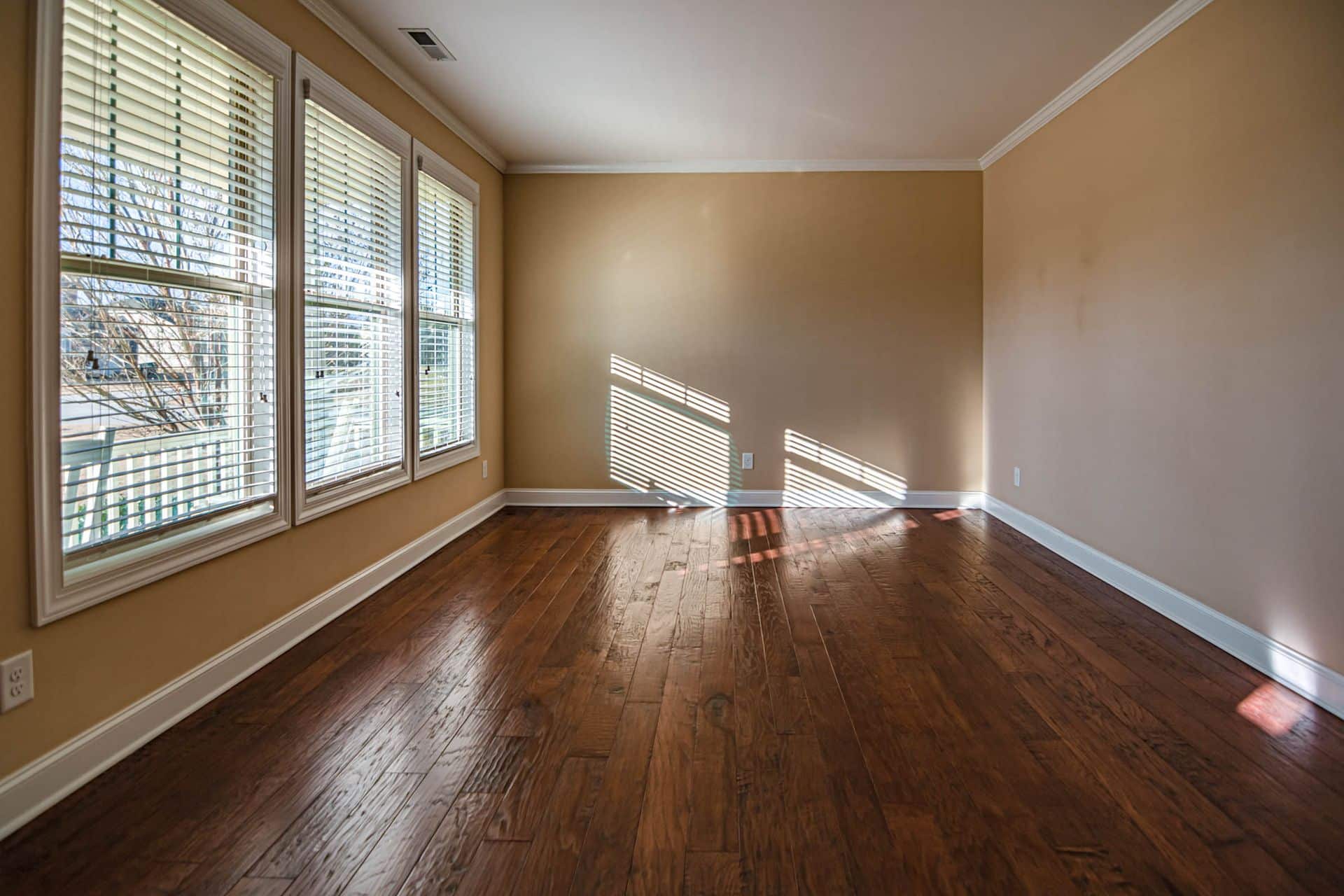
Arriving at her destination, Mia settled into a sparsely furnished rental apartment designed to make the transition as simple as possible. Unpacking her modest belongings into the minimal stock furniture provided by the landlord, she found herself inhabiting a space drastically reduced in scale and possessions. Living in this stripped-down environment quickly transformed into an accidental masterclass in minimalism and clutter management, offering profound insights into how physical surroundings impact mental clarity, physical well-being, and daily habits.
1. Use It Up
Part of the standard furnished apartment experience involves inheriting hotel-sized portions of everyday items left behind by previous occupants. Having brought her own toiletries and cleaning supplies from home, Mia initially viewed these residual items as mere clutter. In the past, she admits, a hoarding mentality might have taken over, prompting her to save the tiny bottles and half-used products for some hypothetical future moment when miniature provisions might be required.
Instead, she adopted a radically different approach: she simply used them up. Recognizing that these products were often the lowest tier of everyday goods, she realized that saving them would do nothing to enrich her life. They were items she would never feel excited to use later. By working her way through them first and discarding the empty containers immediately, she systematically reduced the amount of real estate those objects occupied in both her living space and her mind. The experience solidified a philosophy of intentional consumption and rapid depletion over accumulation, reinforcing the value of making active use of what is already at hand rather than preserving it indefinitely.
2. Functional Decor
As a self-described homebody, adapting to life away from her familiar possessions proved to be a psychological challenge. To bridge the gap between an alien rental and a comforting sanctuary, she strategically deployed the few personal mementos she had managed to fit into her car. Rather than folding away her colorful throw blanket, she draped it casually over the couch. Instead of stacking her books neatly out of sight on a bedside table, she propped them up openly throughout the apartment.
Anything that looked reasonably charming and contributed to a sense of home was granted a visible spot in the room rather than being relegated to a drawer. While such an approach might risk looking cluttered in a heavily furnished home, within a sparse environment it lent the space an immediate warmth. By allowing everyday items to double as decor, she discovered that functional objects could serve a dual purpose, making an unfamiliar space feel deeply personal without introducing useless or superficial clutter.
3. This Spoon
The delicate balance of her minimalist routine was thrown into sharp relief around her birthday, when a visiting friend presented her with a small wooden spoon as a gift. For Mia, who struggles with sensory sensitivities that make the sharp clinking of metal silverware on ceramic plates genuinely nauseating, the gesture carried unexpected practical significance. During her first days in the apartment, she had resorted to saving plastic cutlery from takeout orders simply to avoid using the standard metal utensils provided by the landlord.
The new wooden spoon offered an ideal alternative. Perfectly sized and lightweight, it immediately became an object of daily utility and emotional resonance, evoking fond thoughts of her friend every time she used it. Between the wooden spoon and a simple pair of chopsticks, her culinary needs were entirely met, rendering the rest of the apartment’s overflowing utensil drawer entirely obsolete. The experience highlighted a broader truth about material possessions: it is far better to own a single item that serves its purpose to absolute perfection—especially one that brings genuine joy—than to maintain a drawer full of mediocre alternatives.
4. Alone Time
One of the most drastic shifts in Mia’s temporary relocation has been the sudden shrinking of her social calendar. While she has a few acquaintances nearby, her daily interactions bear little resemblance to the bustling community life she left behind. Although the absence of her close friends felt difficult on the surface, the solitude quickly proved to be a powerful source of professional and personal energy.
Thriving on alone time—even when she occasionally fights against it out of a deep desire to be constantly surrounded by loved ones—she found that her simplified schedule transformed her daily routine. With fewer domestic distractions and an effortless living space to maintain, life assumed an unexpected ease. Mornings began with effortless walks to the gym for regular workouts, her apartment remained consistently spotless, and she found herself spending significantly more time cooking nourishing, healthy meals.
At the same time, her professional life flourished. Having acquired a business a few months prior, she had previously maintained a low profile, but the newfound mental space allowed her to catch up entirely on her workload and finally resume writing. While she plans to reintegrate social activities into her routine as she settles in—including long-distance game nights with her friends back home and picking up martial arts training now that her energy levels have returned—the period of intense solitude proved remarkably productive.
5. Clutter Comes Fast
Despite the intentional minimalism of her temporary setup, the experiment revealed just how rapidly physical objects accumulate within a modern household. Within just three weeks of arrival, she could already feel the subtle, impending pressure of domestic clutter. Following her recent birthday, new gifts and personal items naturally entered the space, bringing joy but immediately consuming precious square footage.
Even essential supplies began to multiply; having driven to the location with almost nothing, she soon found a kitchen cabinet overflowing with plastic containers she had consciously saved to store food. The natural flow of consumer goods, particularly within the United States, is strictly unidirectional: items constantly move into the home. Without a deliberate, systematic effort to establish a counter-flow moving things back out, possessions inevitably pile up indefinitely.
Recognizing this velocity of accumulation, Mia quickly reinstated her regular decluttering practices, relying on passive organizational strategies that had previously proven exceptionally effective. Getting ahead of the problem early, she noted, is the only way to maintain the hard-won peace of a simplified environment.
Assessing the Experiment
For those following her journey to understand whether the relocation experiment succeeded, the preliminary results offer genuine encouragement. The move has yielded the first real, measurable improvements in her health that she has experienced in years, providing a vital clue in her ongoing medical puzzle. Yet, the resolution remains bittersweet, rooted as it is in the geographic reality of her temporary home.
As she continues to process the complex implications of her findings, the newfound mental space provided by her minimalist lifestyle offers the clarity needed to tackle the road ahead. While she plans to return to regular publishing schedules and press forward with upcoming community initiatives like the planned holiday decluttering challenge, the temporary experiment has already fundamentally reshaped her perspective on what is truly essential in daily life.