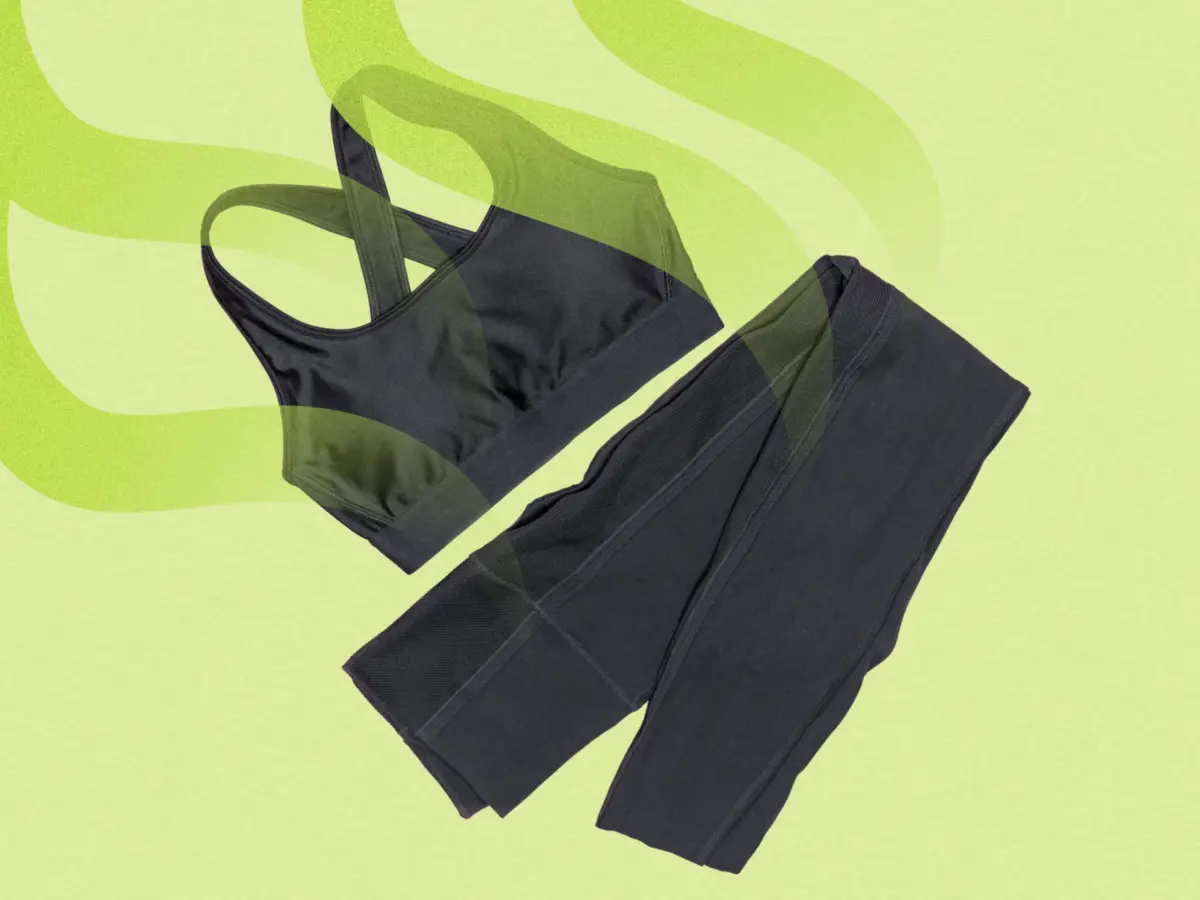
This rationalization—often playfully referred to as "girl math"—is a routine practiced by gym-goers everywhere. However, beneath the casual decision to skip a laundry cycle lies a genuine dermatological question. Is stretching the lifespan of workout gear actually safe for the skin, or are these micro-shortcuts leading to hidden health and hygiene consequences? To get to the bottom of the activewear recycling habit, skin health experts have weighed in on what happens when clothes are worn more than once between washes, separating harmless habits from risks that could compromise skin clarity.
The Real Concern Is Sweat, Bacteria, and Acne
To understand the hygiene of rewearing activewear, it helps to examine what actually happens to garments during physical exertion. On its own, human sweat is remarkably harmless and practically odorless. The fluid produced by sweat glands is mostly water and electrolytes. However, problems begin when that moisture interacts with the environment.
When sweat combines with the naturally occurring bacteria that live on the surface of human skin, and that mixture is subsequently absorbed into the fibers of synthetic or blended fabrics, a chemical reaction takes place. This combination is what ultimately creates body odor and skin irritation. The danger escalates significantly when individuals remain in their damp, sweaty workout clothes for hours after physical activity has ended.
According to Dr. Brianna Olamiju, a board-certified dermatologist based in New York City, the duration of contact is a critical factor in skin health. The longer that bacteria and sweat stay in direct contact with the skin, the higher the likelihood that they will cause adverse effects.
Chief among these concerns is acne. Dermatologists frequently encounter patients dealing with persistent breakouts on areas like the chest, back, and shoulders. These individuals are often avid exercisers who maintain busy schedules, leading them to run errands, grab post-workout brunch, or sit at home in their activewear long after their heart rate has returned to normal.
Unfortunately for those hoping to bypass laundry day, letting damp clothes dry and then putting them back on the next day does not reset the hygiene clock. Dr. Olamiju notes that bacteria do not simply vanish when fabric dries. Residual microorganisms from the prior sweat session remain embedded within the weave of the textile. When reworn, that lingering bacteria is reintroduced to the skin, where it can trigger unpleasant odors, inflammation, and fresh bouts of body acne.
It Depends on Your Workout—and Your Activewear
While the gold standard of dermatological advice is to wash every garment after a single use, experts acknowledge that real life involves nuance. Not all physical activities are created equal when it comes to the volume of perspiration and the resulting skin risks.
High-intensity cardiovascular routines—such as long-distance running, heated yoga sessions, or rigorous indoor cycling classes—induce profuse sweating. These vigorous workouts create an environment where moisture and bacteria saturate clothing thoroughly, making a fresh set of garments for the next session an absolute necessity.
On the other hand, lower-intensity disciplines occupy a different category of risk. Practices like foundational Pilates, leisurely neighborhood walks, or gentle stretching generate considerably less sweat. Because every individual has a unique physiological response to exercise, sweat production exists on a wide spectrum, but low-impact routines generally present a lower risk if someone chooses to stretch the wear of their clothing.
Beyond the type of exercise, the specific garment being worn plays a massive role in hygiene maintenance. Experts point out that certain articles of clothing absorb and hold onto moisture far more aggressively than others. For women, changing the sports bra after a workout is considered non-negotiable. While an outer layer like a loose t-shirt or sweatshirt might sometimes pass inspection for a second wear, foundational garments that sit tightly against high-sweat areas like the chest require immediate laundering.
Fabric composition also dictates how well clothing handles reuse. The vast majority of modern activewear is crafted from synthetic textiles such as polyester, nylon, and elastane. These materials are engineered to wick moisture away from the skin, but they also tend to trap sweat and harbor bacteria within their tight synthetic weaves. Conversely, natural fibers like cotton are significantly more breathable and present fewer risks if someone opts to rewear them, though finding 100 percent cotton activewear tailored for intense movement can prove challenging.
Hygiene Tips for Workout Wear
Navigating the balance between environmental consciousness, laundry fatigue, and skin health ultimately comes down to personal discretion and comfort levels. While the official stance from dermatologists remains that activewear should be laundered after every single use, professionals recognize that modern life often prompts people to bend the rules.
For those who choose to rewear their gear under lower-risk circumstances, understanding how to manage post-workout clothing can mitigate potential skin issues. Simple habits, such as airing out garments immediately after a session rather than leaving them balled up in a gym bag or a dark hamper, can prevent bacterial proliferation.
Ultimately, finding a sustainable routine involves listening to one’s own skin. While there is no need to experience severe anxiety over every minor reworn garment, prioritizing freshness when doubt arises remains the safest path forward. By paying close attention to fabric types, workout intensity, and personal comfort, fitness enthusiasts can protect their skin from irritation and breakouts without necessarily overwhelming their weekly laundry schedules.