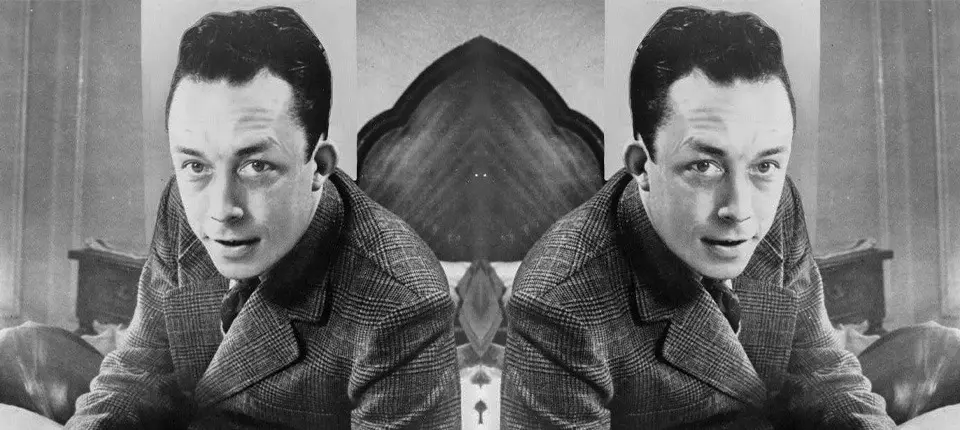
At the center of this week’s historical observances is the commemoration of the birth of Albert Camus. Born on November 1, 1913, the French-Algerian philosopher, author, and journalist continues to cast a long shadow over modern letters. Known for his explorations of the absurd, existentialism, and human morality in works such as The Stranger, The Plague, and The Fall, Camus remains a vital touchstone for readers grappling with ethics and political responsibility. His journalistic background and his unwavering insistence on individual freedom in the face of totalitarianism offer a persistent challenge to contemporary writers examining the complexities of the modern world.
The ongoing conversation about historical milestones extends beyond Camus. This week in literary history marks a monumental achievement for American letters: Sinclair Lewis becoming the first American writer to win the Nobel Prize in Literature. Lewis’s sharp, satirical critiques of American society in novels like Main Street, Babbitt, and Arrowsmith permanently altered the trajectory of national fiction, paving the way for generations of domestic realists and satirists who sought to expose the hypocrisies of middle-class life.
Contemporary fiction and regional spotlights are equally prominent across this week’s cultural commentary. Critics have turned their attention to the Scottish working class through a deep dive into Agnes Owens’s novel A Working Mother, celebrating the stark authenticity and sharp observations that define her contribution to regional literature. Concurrently, readers exploring international traditions are engaging with examinations of the ghostly and the real within African literary traditions, tracing how ancestral spirits and otherworldly elements function as narrative devices and cultural memory.
Poetry and short-form verse continue to provide moments of lyrical pause amid the critical discourse. Recent weeks have brought a wealth of new poetry collections to the forefront, offering readers fresh perspectives on contemporary life. Among these highlights are Jana Prikryl’s evocative poem "Mirror" and a resonant translation of Mahmoud Darwish’s "Arabic Music," both of which demonstrate the capacity of verse to capture the shifting textures of identity, memory, and perception.
Nonfiction writing and memoir are enjoying robust consideration, particularly regarding the intersections of nature, art, and personal history. Writers are examining the unexpected conceptual overlaps between fly fishing and the drafting of fiction, noting how the patience, observation, and rhythm required in angling mirror the iterative processes of narrative structure. In nature writing, authors like Priyanka Kumar are discussing the intentional integration of visual art into environmental prose, expanding the traditional boundaries of how natural landscapes are documented on the page.
The landscape of publishing also finds room for historical journalism and biography. Discussions surrounding pioneering journalist Erika Mann highlight her crucial role in covering the Nuremberg Trials, where she documented the prosecution of Nazi war criminals with unwavering clarity and moral gravity. Other historical inquiries delve into Olivia Manning’s lightly fictionalized novels, exploring the delicate boundary between autobiography and invention, alongside Ry Herman’s deep digs into the subversive and inspiring histories of queer fairy tales.
Critical theory and the practical realities of the writing life are a perennial fixture of online literary discussions. Essays addressing self-doubt, self-worth, and the management of personal esteem offer practical and psychological solace to writers navigating the unpredictable waters of publication. Translators are similarly building communal bonds, with figures like Ilan Stavans penning reflective letters to emerging literary translators about the unique identity of working between languages and the inherent impostor syndrome shared by those who bridge cultural divides.
In the realm of genre fiction and specialized reading communities, critics are probing deeper questions about form and expectation. Debates over the boundaries of science fiction have sparked calls for more substantive representations of romance and sexuality within speculative futures, arguing that bodily and interpersonal intimacy are integral to fully realized futuristic societies. Meanwhile, children’s literature for the upcoming month is receiving its due attention, with curators highlighting ten new releases designed to offer young readers a balance of challenging themes and good humor.
As the publishing season moves further into November, comprehensive roundups of the best-reviewed books, independent press bestseller lists for both fiction and nonfiction, and weekly critical reviews continue to guide readers through the sheer volume of contemporary releases. Whether through the lens of neuroscience empowering paralyzed individuals to find their voices once more, or through the aromatic, tactile history of book collecting, the literary internet reflects a community deeply engaged with the mechanics of storytelling and the enduring necessity of art.