

For many individuals, the prospect of undertaking a comprehensive yard renovation can feel daunting, frequently leading to hesitation or abandonment of the project mid-way through. To counter this, breaking the process down into smaller, bite-sized stages allows for steady progress. Whether it is clearing out dead growth, planting new flowers, or upgrading patio accessories, handling tasks in manageable increments ensures that the workload remains sustainable. This gradual strategy has become a popular method for individuals managing their landscaping independently, ensuring that outdoor upkeep remains an enjoyable hobby rather than an exhausting chore.

A significant component of modern home improvement involves streamlining the sourcing of materials. Partnerships with major home improvement retailers, such as Lowe’s, have simplified the logistics of seasonal yard work. By utilizing online ordering platforms or mobile applications, homeowners can conveniently select plants, tools, and outdoor decor from home and arrange for in-store pickup or same-day delivery for eligible items. This streamlined approach minimizes the friction of starting a project, enabling residents to transition seamlessly from planning to execution.
Planting and Replanting
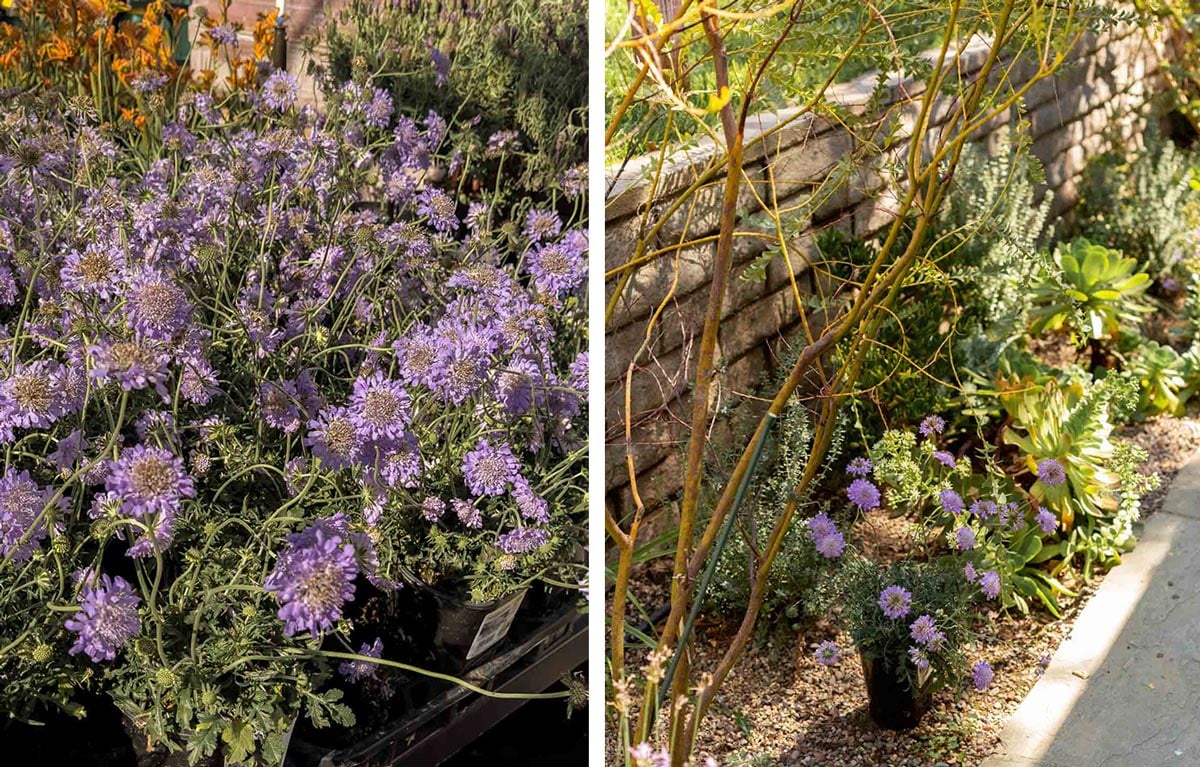
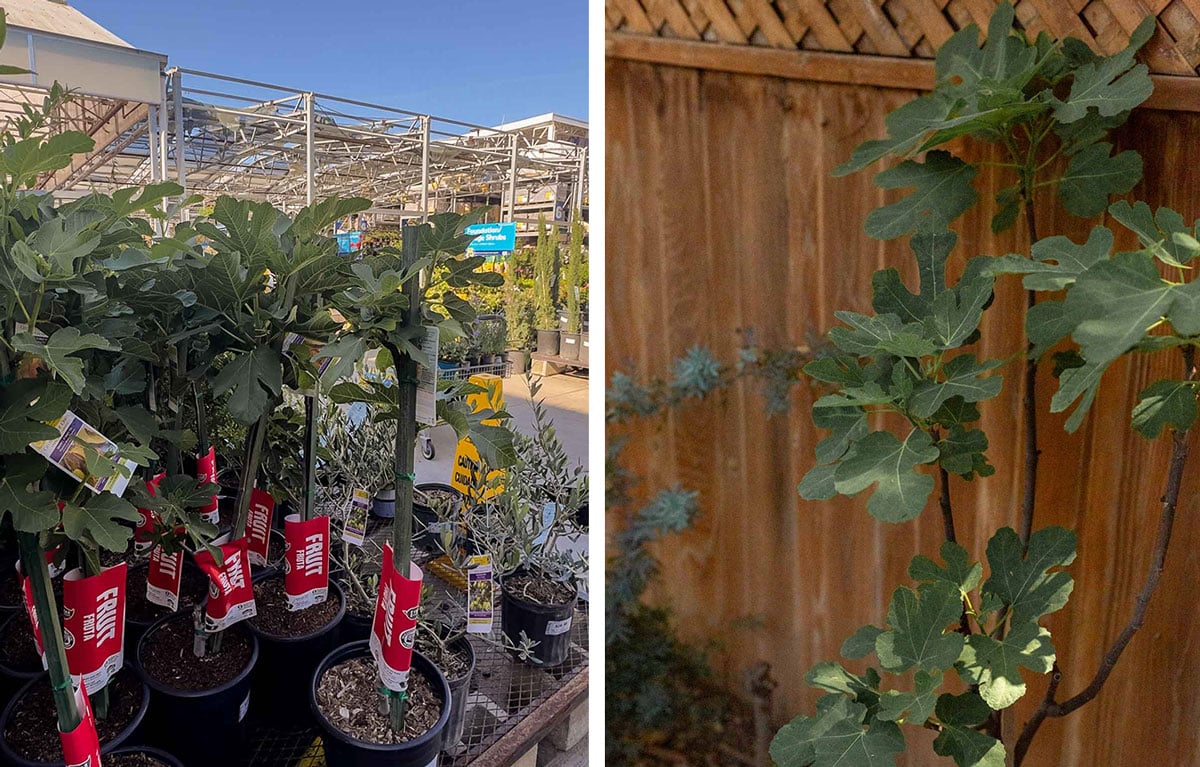
The foundation of any seasonal backyard refresh begins with evaluating plant health and addressing gaps left by winter weather. Filling these empty spots with resilient varieties ensures longevity and color as the seasons change. Common choices for early-season planting include delicate scabiosa flowers, ornamental grasses, and society garlic, which offer high visual impact for a relatively modest financial investment. Beyond filling existing gaps, gardeners often introduce unexpected additions, such as healthy fig trees boasting velvety green foliage, which can serve as striking focal points in a landscape design.
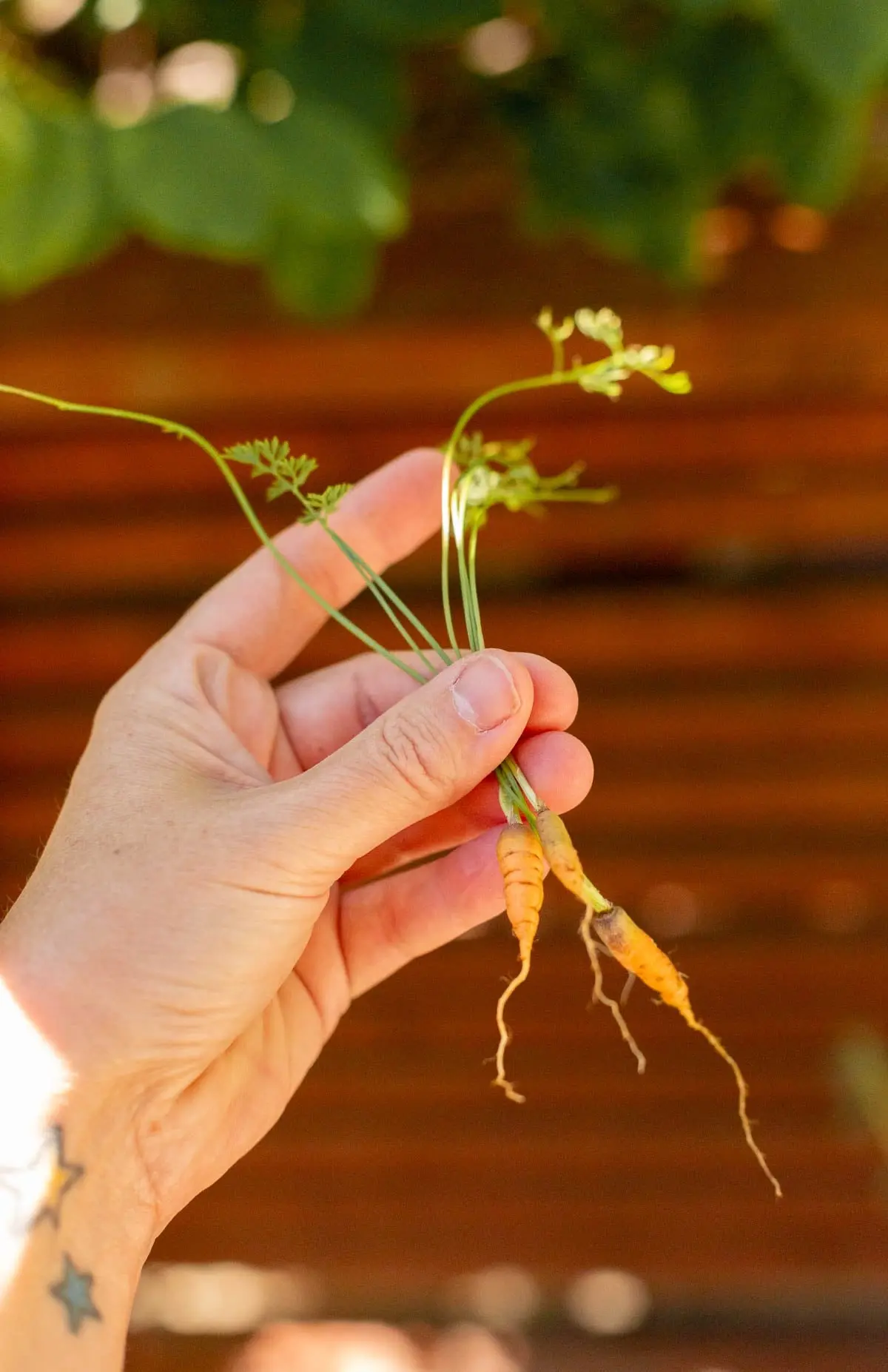
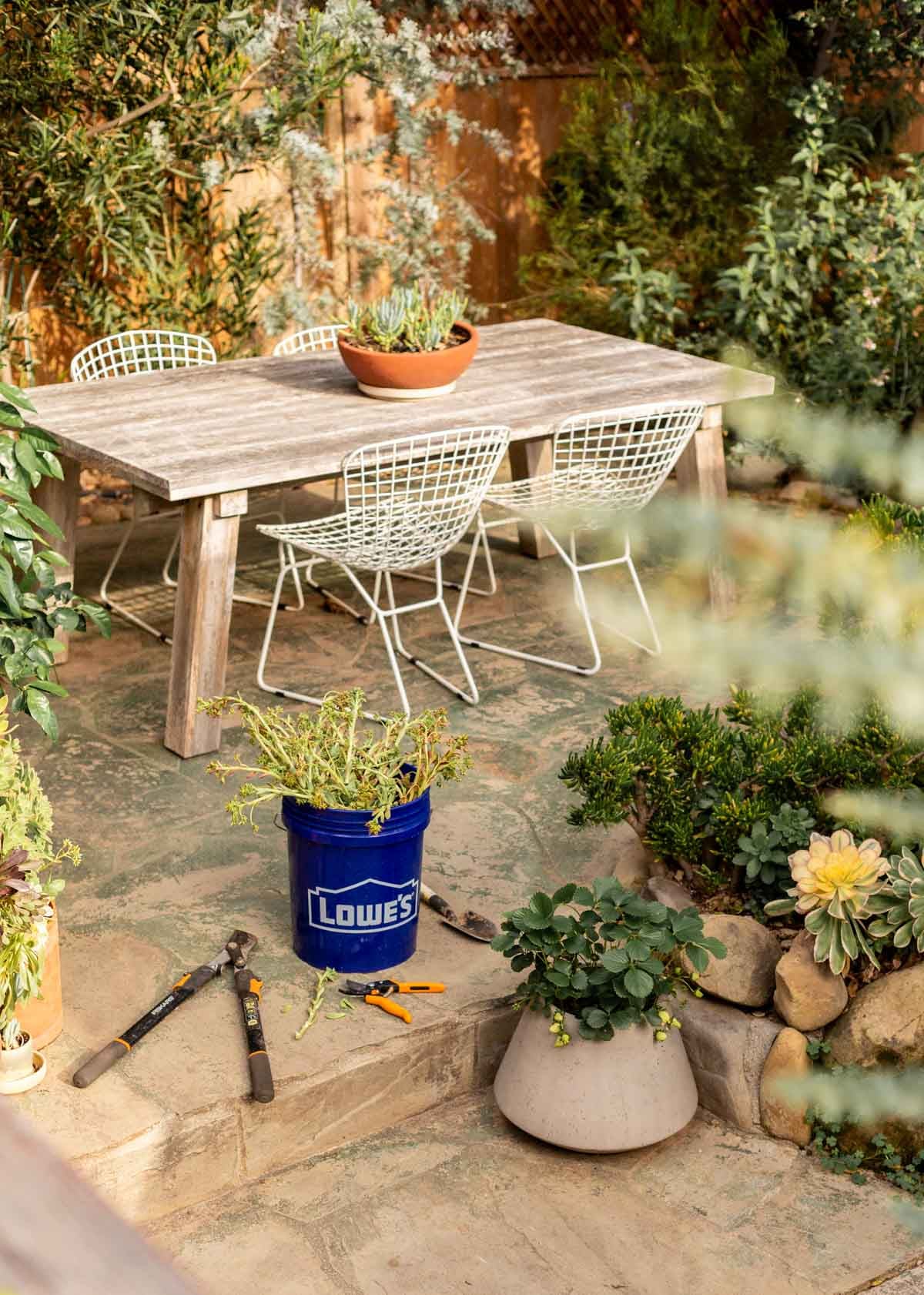
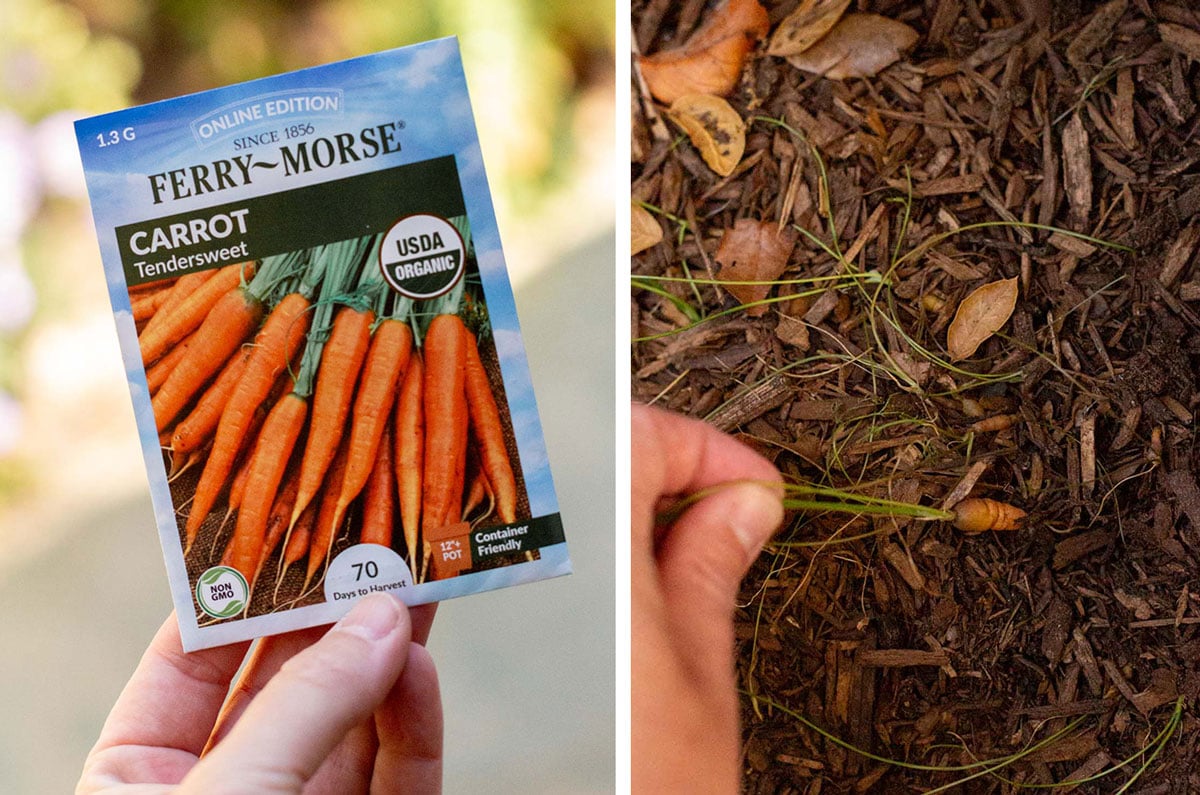
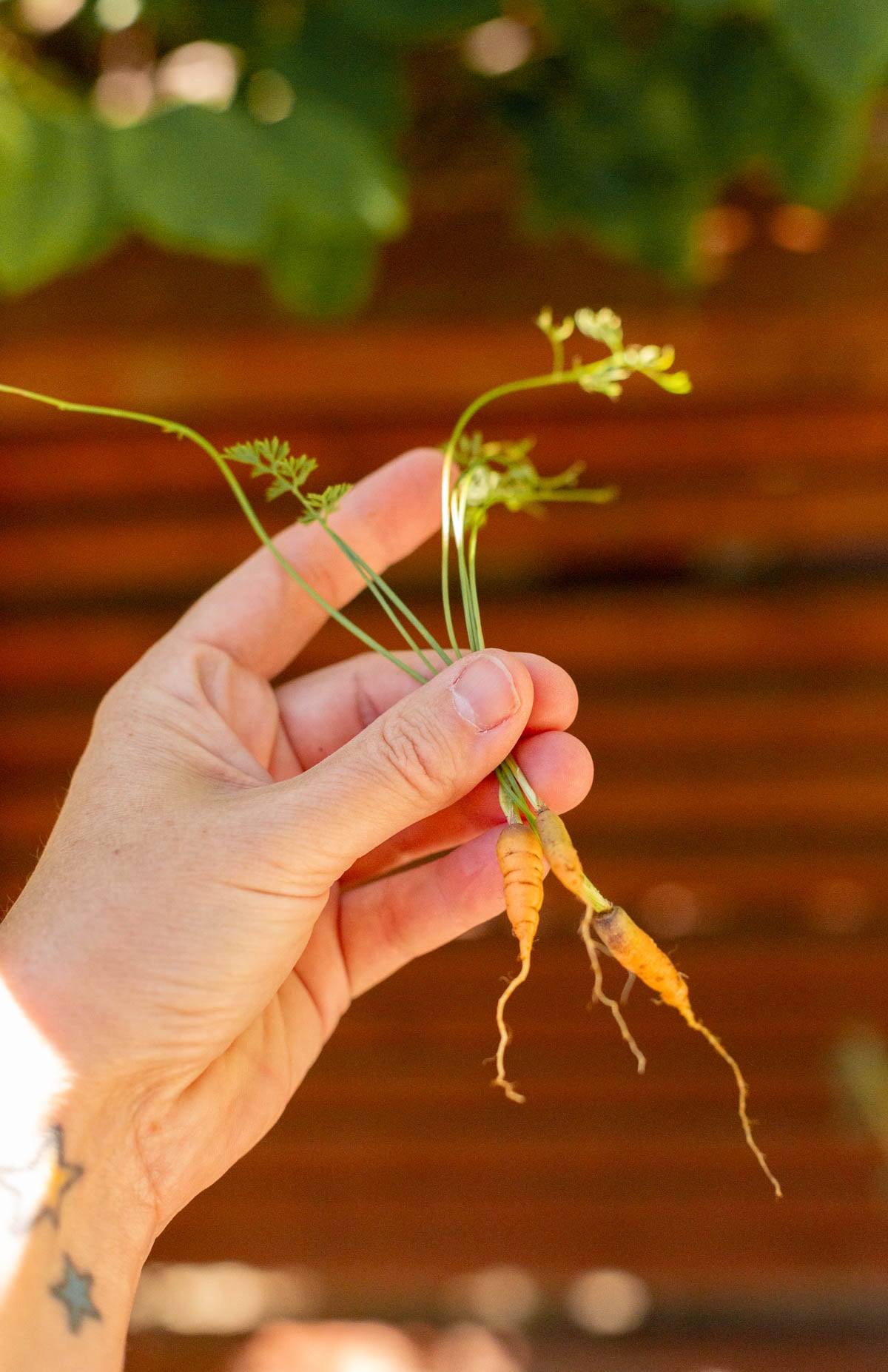
Edible gardening also plays a role in seasonal refreshes, with many individuals opting to grow vegetables from seed. While cultivating crops like carrots requires patience before yielding a full harvest, early maintenance tasks provide immediate satisfaction. The tools required for these planting phases are intentionally kept simple. Rather than relying on specialized gadgets, standard equipment such as a compact garden trowel, a sturdy digging shovel for larger installations, and reliable gardening gloves generally suffice for routine digging and soil preparation.
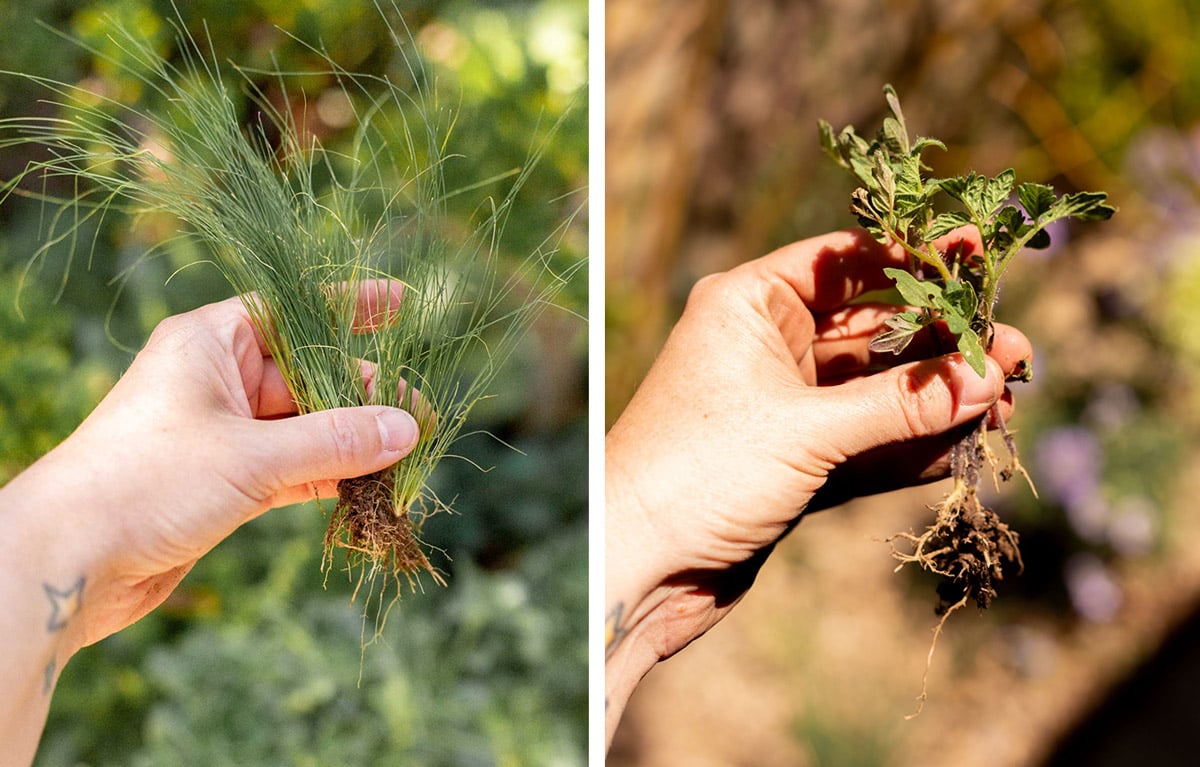
In addition to introducing new plants, managing volunteer plants—those that sprout independently from previous seasons or windblown seeds—forms an essential part of spring maintenance. Depending on the species, volunteers such as tiny tomato plants or small grasses may either be left in place or relocated to prevent overcrowding. For instance, certain fast-spreading varieties like Mexican feather grass require careful management to avoid unintended overgrowth in delicate garden beds.
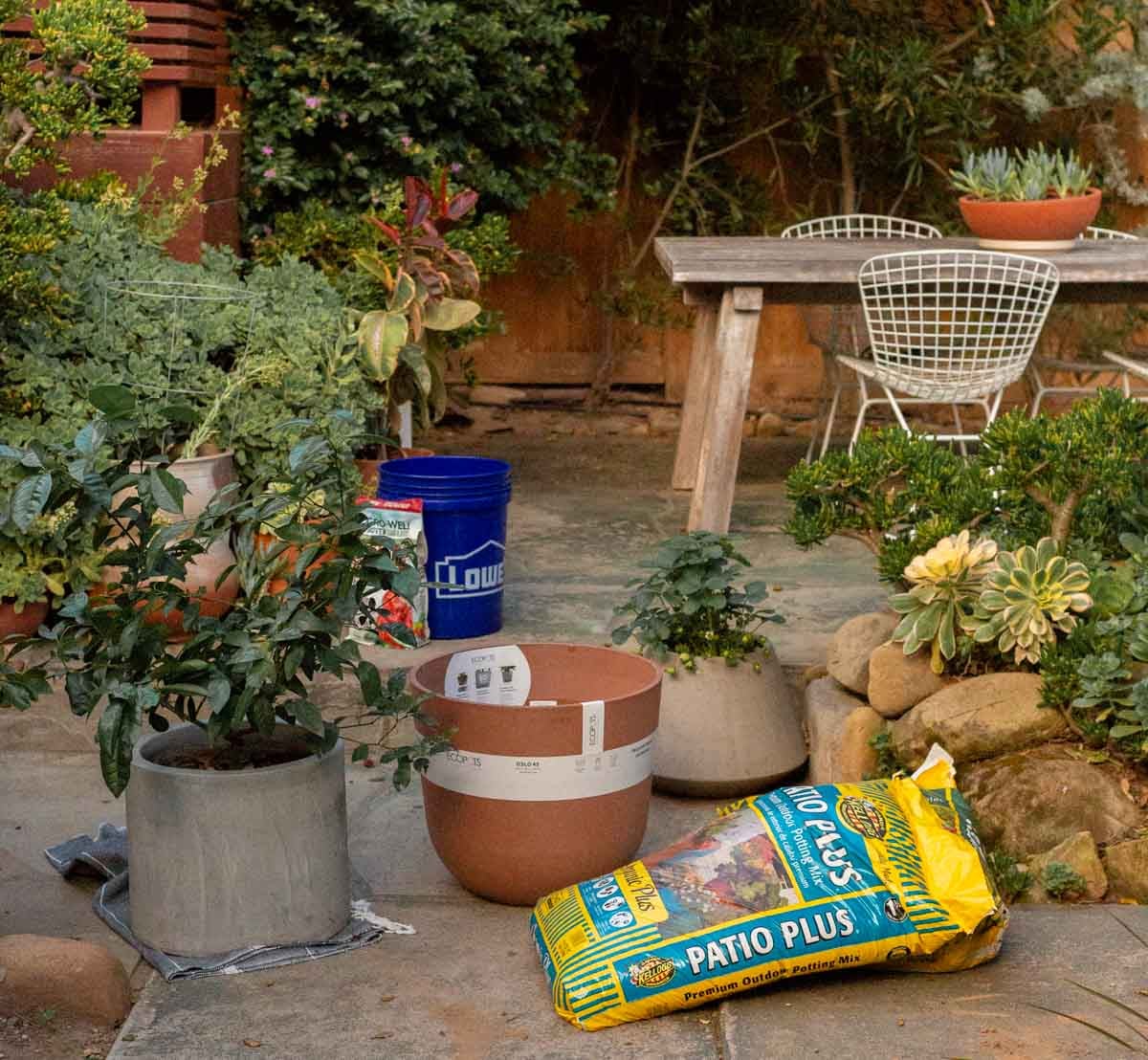
Potting and repotting represent another vital stage of garden upkeep. As established citrus trees and container plants experience active growth during the warmer months, transitioning them into larger, high-quality planters is necessary to accommodate their root systems. Selecting planters made from durable, UV-resistant, and recyclable materials ensures that containers can withstand seasonal weather shifts while remaining lightweight enough to maneuver before soil is added.
Pruning and Propagating
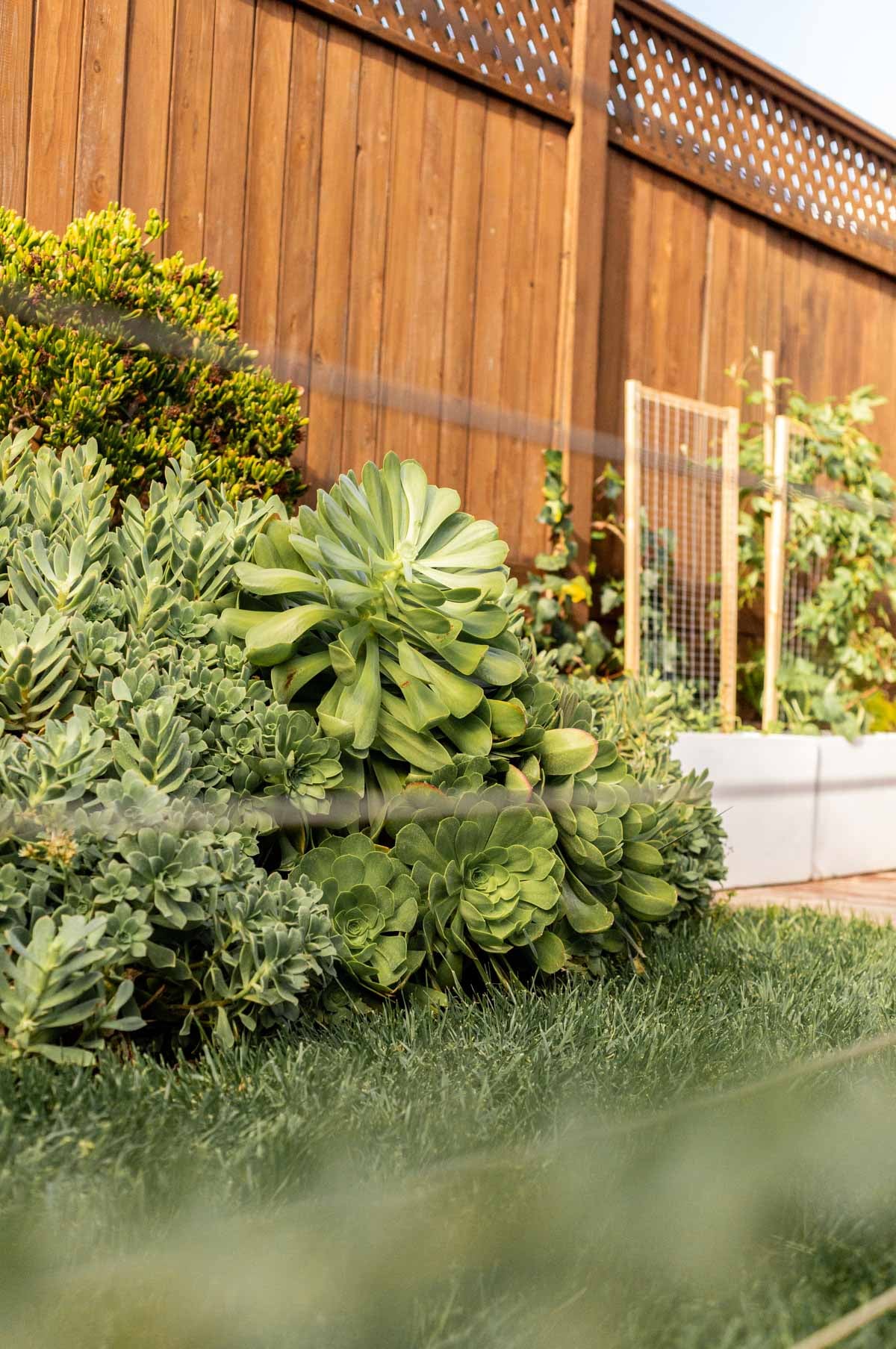
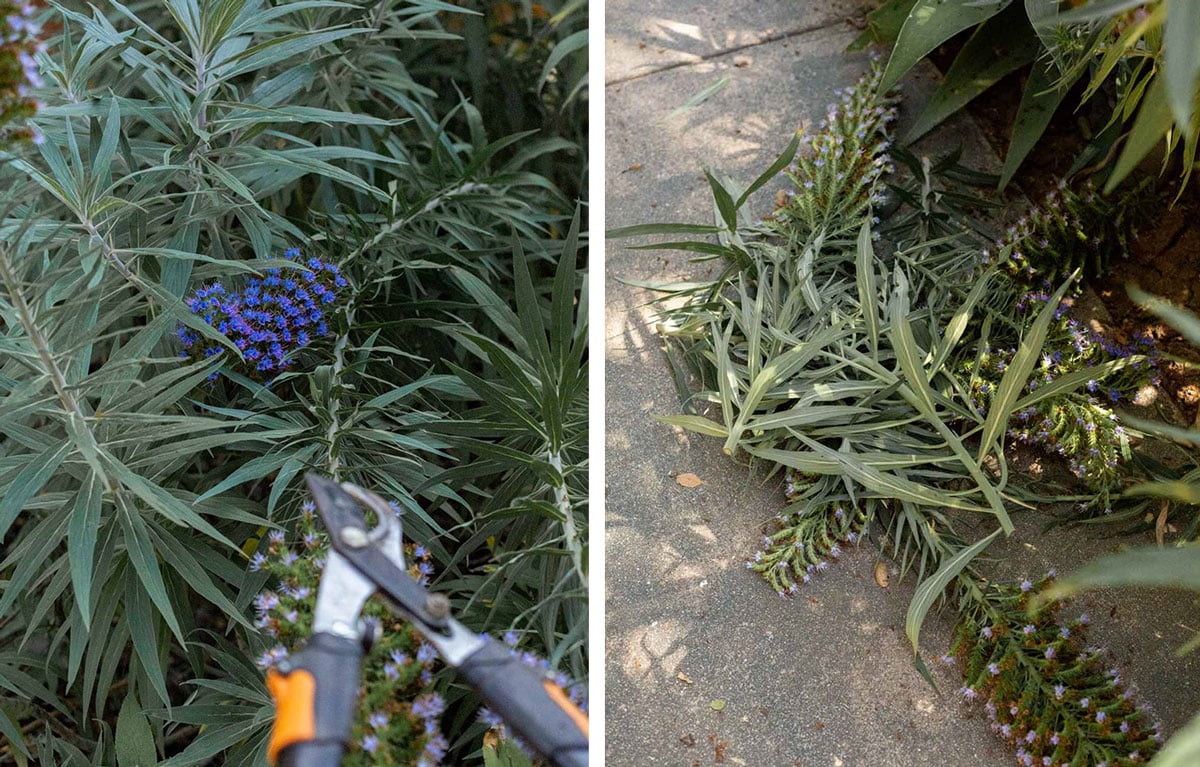
Pruning trees and large bushes at the onset of spring encourages healthy vertical growth and removes winter damage. Fast-growing architectural plants, such as pride of madeira bushes, often require substantial trimming to maintain their shape and prevent them from overtaking surrounding pathways or structures. Using sharp hand pruners and sturdy loppers ensures clean cuts that promote rapid healing and vigorous new growth.
Propagation remains a popular method for expanding a garden without incurring additional costs, particularly for resilient species like succulents. Triggered by increased sunlight and environmental changes, established succulents often produce abundant offsets and blooms. Gardeners frequently harvest these clippings, remove the lower leaves, and transplant them into fresh soil to cultivate new plants. Because succulents root reliably when given clean cuts near the base, this propagation technique allows homeowners to continuously recycle existing greenery throughout their landscape.
Supporting Plants
Vertical gardening techniques provide structural support for heavy or vining plants while simultaneously maximizing limited space. Traditional staking remains a practical method for preventing wind and rain damage, though it is often utilized primarily for functional utility rather than aesthetics.
Alternatively, incorporating minimal trellises offers a visually appealing solution for supporting climbing varieties such as snap peas and passionfruit. Beyond encouraging vertical growth, trellises improve air circulation and sun exposure, reducing the incidence of plant diseases and pests. For homeowners dealing with visual obstructions, such as aging fences that exceed current renovation budgets, dense climbing vines trained along a trellis provide an effective and attractive natural screen. Smaller decorative trellises can also be utilized for potted plants in compact patio or indoor spaces, offering both versatility and affordability.
Through a combination of selective planting, careful pruning, efficient propagation, and strategic vertical support, homeowners can successfully revitalize their outdoor living areas for the warmer months ahead.