
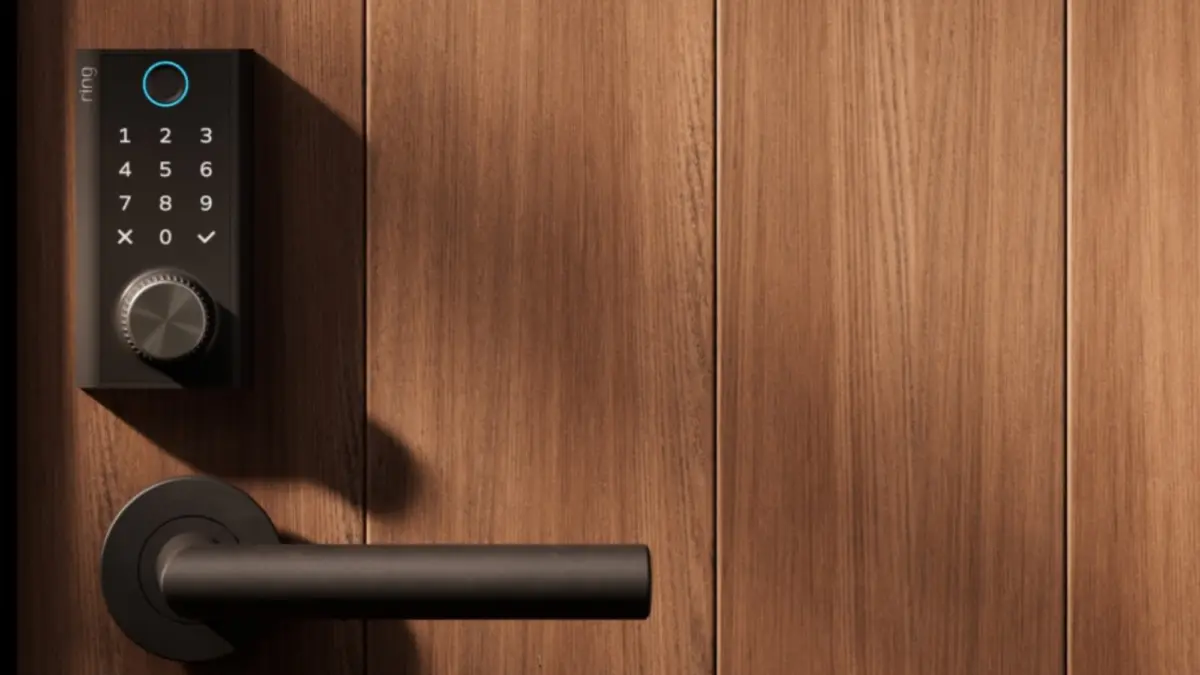
When smart locks entered the consumer mainstream over the past decade, they promised a future free from the hassle of traditional metal keys. For millions of homeowners, replacing a standard deadbolt with a connected smart lock offered unprecedented convenience. Users could grant remote access to dog walkers, check whether doors were secured while away from home, and monitor entry logs through smartphone applications. Yet, this technological leap forward introduced a uniquely modern anxiety: the dreaded dead battery.
When a smart lock loses power, it often renders electronic entry methods useless, forcing manufacturers to include physical keyways as a fallback. This compromise means homeowners must either carry traditional keys or hide backup copies outside, reintroducing the very security vulnerabilities and inconveniences smart locks were designed to eliminate. Furthermore, a physical keyhole provides a potential entry point for lockpicking, undermining some of the physical security benefits of high-end door hardware.

Addressing this persistent industry design flaw, Amazon-owned Ring has announced plans to release its first-ever smart lock in the first quarter of 2027. Previewed by Ring founder Jamie Siminoff, the upcoming device introduces a genuinely novel solution to the power failure problem: a built-in manual "Power Dial" designed to generate enough energy through physical rotation to quickly unlock the door, even if the internal batteries are completely dead.
Priced around $250 and offered in three distinct finishes—brass, stainless steel, and black—the new smart lock aims to compete directly with established market leaders while eliminating the need for a physical backup key entirely.
Why Ring’s "Power Dial" Will Stand Out Among Smart Locks
According to Siminoff, Ring deliberately avoided entering the crowded smart lock market for years because he saw little value in manufacturing yet another nearly identical alternative to existing products. The catalyst for development struck when Siminoff sought a reliable smart lock for his own remote guest home. He wanted a device that would operate dependably over long periods without requiring frequent battery maintenance, while completely removing the necessity of hiding a physical key in a fake rock or emergency lockbox. Finding nothing on the market that met these criteria, he decided to engineer a new approach from scratch.

The resulting innovation draws inspiration from emergency flashlights that utilize internal dynamos powered by manual cranks or friction. Ring integrated a rotating dial directly into the keypad of the smart lock. By turning the dial back and forth for just a few seconds, a user can mechanically generate sufficient electrical energy to instantly wake the lock’s system and retract the bolt.
Once powered up via the manual crank, the lock functions like any standard smart device, accepting numerical keypad entries, biometric fingerprint scans, remote commands through the Ring mobile app, or voice requests via Alexa. Because the mechanism relies on kinetic energy generation for emergency access, the lock design features no traditional keyhole that could potentially be picked, offering an enhanced layer of physical security compared to pin-tumbler locks, a technology that has remained largely unchanged for nearly two centuries.
Siminoff noted that the existence of traditional keys in an era where vehicles like Teslas can be unlocked and operated entirely via smartphones represents an outdated paradigm. The Power Dial is explicitly designed to eliminate the anxiety associated with battery depletion and backup keys. Following pending regulatory approvals from the Federal Communications Commission, the lock is scheduled to hit the market in early 2027 at a competitive price point of approximately $250.

Ring Expands Its Security Ecosystem With New 4K Cameras
In addition to shaking up the smart lock category, Ring used the product showcase to announce a substantial expansion of its hardware ecosystem, introducing a new line of advanced smart security cameras designed for both indoor and outdoor residential monitoring applications.
The company is rolling out four new 4K security cameras equipped with upgraded optical sensors, wider viewing angles, and significantly improved low-light recording capabilities to capture clearer footage in challenging lighting conditions. Among the lineup are models featuring specialized hardware additions, including true 360-degree panning capabilities and a 175-degree tilt range, giving homeowners more comprehensive coverage of their properties through the Ring application interface.
These newly announced cameras range in price from $70 to $220, depending on the specific form factor and feature set, and are available for purchase or preorder directly through major retailers and Amazon’s online marketplace. As the smart home market continues to evolve toward greater integration and reliability, Ring’s combination of kinetic emergency power solutions and high-resolution surveillance hardware signals a strategic push to capture a larger share of the home security sector.