
Most seasoned travelers have been on the receiving end of this frustrating insurance runaround at least once. It has long been accepted simply as an unfortunate cost of doing business on the road. After all, industry veterans and financial advisors continually stress that no one should ever, under any circumstances, embark on a trip without travel insurance. The alternative—facing the prospect of launching a crowdfunding campaign to pay off medical bills or secure emergency transportation home—is a risk no prudent traveler wants to take in an unpredictable world.
Yet, while traditional legacy providers like Allianz and World Nomads have dominated the landscape for over two decades, new players are beginning to emerge and challenge the status quo. Among them is Faye Travel Insurance, a digital-first company that officially launched coverage in the United States in 2022. Designed to bring the insurance sector into the modern era, the company operates on a straightforward philosophy: travel insurance should not merely sit in the background waiting for things to go wrong; it should actively work to help things go right.
One Plan, Done Right
Navigating the traditional travel insurance market has historically involved wading through a dizzying array of options. Consumers often find themselves squinting at dense coverage tables, trying to decipher which tier will prevent them from becoming stranded abroad while offering the necessary financial minimums. In contrast, newer digital platforms have sought to streamline this process by consolidating protections into a single, comprehensive plan designed to cover the core needs of most travelers.
Rather than fragmenting coverage across multiple tiers, comprehensive digital offerings typically bundle trip cancellation, emergency medical expenses, personal belongings protection, and even pet care into a unified package. Standard medical limits remain competitive with traditional offerings, but modern entrants have also introduced unique, targeted add-ons. Among these is Cancel For Any Reason (CFAR) insurance. While CFAR policies are typically embedded into more expensive legacy packages at a higher upfront cost, some newer digital models allow travelers to append the coverage affordably. Similarly, specialized pet care add-ons have gained traction as an increasing number of travelers choose to bring their domestic animals along on journeys.

All About the App
The primary differentiator for digital-first insurance providers lies in their technological infrastructure, specifically mobile applications designed to serve as active companions during a trip. Rather than serving merely as a portal for policy documents, these modern apps integrate a wide suite of functional travel tools.
Among the core digital features are rapid policy acquisition tools, allowing users to input trip details, receive a quote, and secure coverage in as little as sixty seconds. Additionally, integrated real-time flight tracking provides users with automated alerts regarding flight delays, gate changes, and baggage carousel assignments upon arrival.
Medical support has also been modernized through telemedicine integrations. When traveling abroad, policyholders can access a vast network of international telemedicine physicians fluent in numerous languages. This capability allows travelers suffering from sudden illness in unfamiliar environments to consult with a doctor directly from their hotel room, bypassing the need to navigate foreign healthcare systems or rely entirely on local hospital reviews. Companion location services within the apps further assist disoriented travelers by identifying nearby doctors, pharmacies, emergency rooms, or automated teller machines during late-night hours.
To ease the frustration of long transit delays, some modern policies incorporate complimentary airport lounge access when flights are delayed beyond a specified threshold, typically three hours or more, providing travelers with a comfortable space featuring food and refreshments. Safekeeping vaults within the applications also allow users to securely upload digital copies of essential documents, including passports, visas, insurance cards, and vaccination records, ensuring they remain accessible even if physical items are lost or stolen.
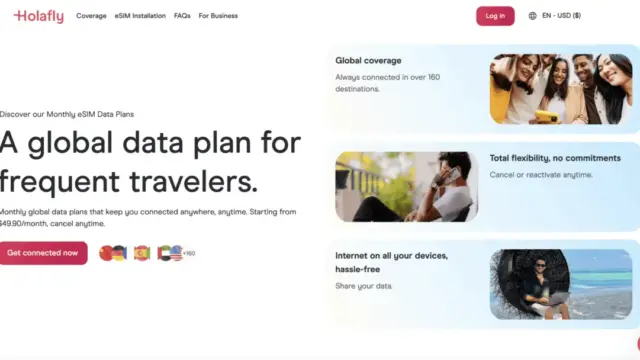
Additional app features often include pre-trip destination guides detailing local emergency numbers, weather forecasts, currency conversion tools, plug adapter types, and visa requirements. Around-the-clock access to human customer support specialists ensures that travelers can communicate with assistance teams every day of the year, including weekends and holidays. Furthermore, integrated eSIM purchasing capabilities enable travelers to bypass physical SIM card swaps and establish internet connectivity immediately upon landing at their destination.

Filing a Claim
The mechanics of claim processing have long been a primary pain point for consumers, but digital-first platforms have restructured the experience around mobile technology. When an adverse event occurs, policyholders can initiate a claim directly through their smartphone by uploading photographic evidence of receipts.
For qualifying disruptions such as baggage delays or flight cancellations, reimbursements can be processed almost instantly. Rather than waiting weeks or months for a paper check, approved funds are often distributed directly into a digital wallet built into the application, which seamlessly connects to mobile payment platforms like Apple Pay or Google Pay. This allows travelers to immediately tap and pay for essential items such as replacement clothing, toiletries, meals, or emergency lodging.
For larger, more complex claims requiring additional verification, digital providers generally aim to resolve cases within 48 hours of receiving the necessary documentation. Traditional payout methods, including direct bank transfers and paper checks, remain available for those who prefer not to utilize digital wallets.
What It Costs
Pricing structures for travel insurance remain dependent on traditional risk factors, including the total cost of the trip, the destination, the duration of travel, the policyholder’s state of residence, and age. However, baseline rates for international coverage on digital-first platforms often start around $5.16 per day, offering a competitive alternative to legacy providers within the broader insurance market.
Ultimately, the emergence of digital-first platforms reflects a broader shift in consumer expectations. Modern travelers, accustomed to booking itineraries, managing communications, and handling finances entirely through mobile devices, increasingly expect the same level of digital convenience from their insurance providers. By combining comprehensive trip protection, responsive mobile applications, instant digital wallets, around-the-clock human support, and expedited claims processing, these modern platforms are gradually reshaping how travelers perceive and utilize travel insurance.