This growing frustration has catalyzed a broader shift toward minimal landscaping and sustainable property management. Across the country, homeowners are beginning to question the utility and environmental impact of resource-intensive traditional yards, opting instead for outdoor spaces that align more closely with their actual lifestyles and local climates.
The Problem with the Traditional Monoculture Lawn
The conventional American lawn—characterized by a single species of manicured grass kept at a uniform height and treated with chemical inputs to prevent any competing growth—has dominated suburban landscapes for decades. Critics and environmental advocates point out that maintaining these monoculture spaces requires an extraordinary amount of artificial input, including heavy watering schedules that often run counter to local climate conditions and conservation needs.
Historical context offers some explanation for this enduring cultural norm. In the United States, the traditional expanse of green grass largely originated as a status symbol imported from European estate traditions. Maintaining large tracts of useless, non-agricultural land historically signaled financial success, broadcasting the message that a property owner could afford to dedicate valuable acreage to purely decorative, non-productive purposes.
However, as communities increasingly face ecological pressures, water shortages, and a desire to reduce household labor, the cultural appetite for high-maintenance lawns is waning. Minimal landscaping offers an alternative approach, focusing on yards that work in harmony with regional environments rather than fighting against local soil and weather patterns.
Embracing Xeriscaping and Low-Water Design
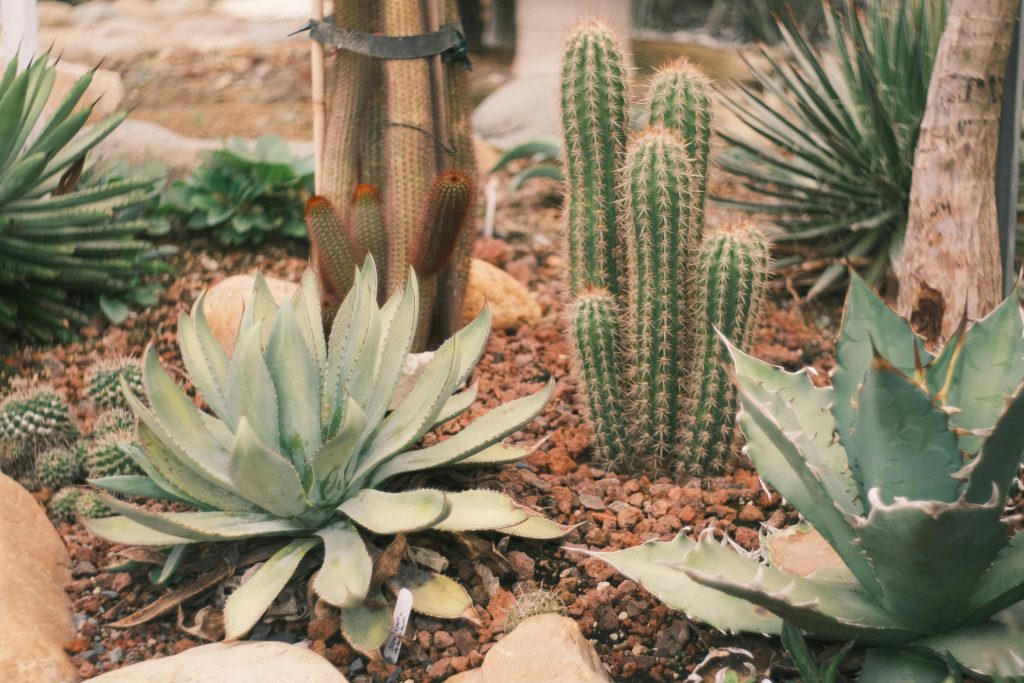
One of the foundational strategies in minimal landscaping is xeriscaping, a design philosophy centered on low water consumption. While the term can sometimes evoke images of barren gravel lots in arid regions, a thoughtfully executed xeriscape integrates functionality with natural beauty.
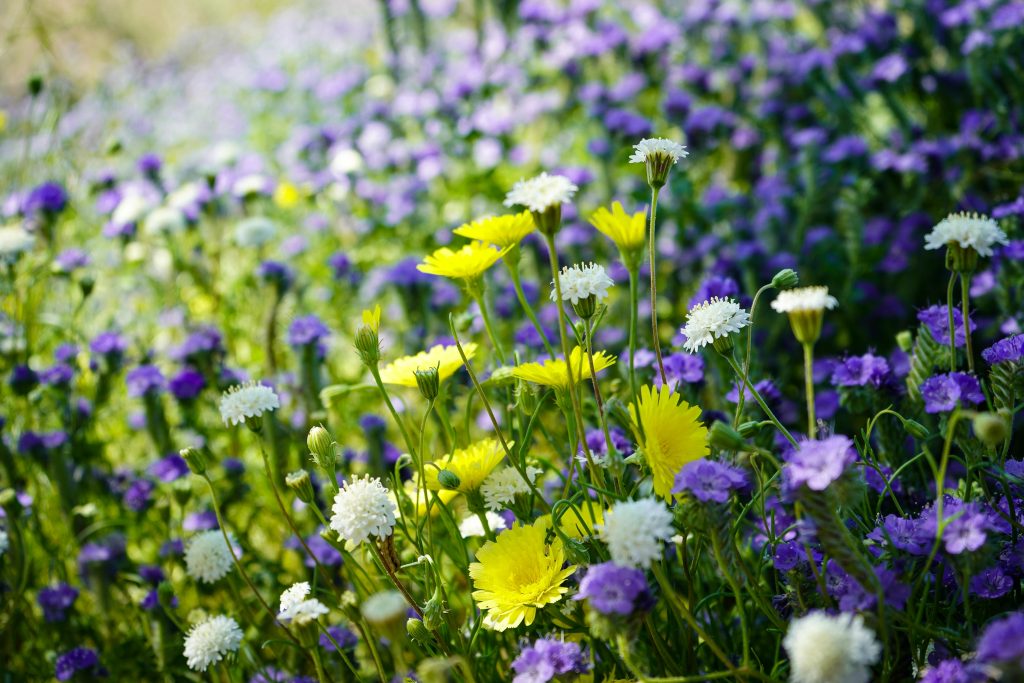
By grouping plants according to shared water needs and selecting drought-tolerant species, homeowners can dramatically reduce their reliance on irrigation. In dry climates, adopting low-water design principles moves beyond mere convenience into environmental responsibility, eliminating the practice of pouring treated drinking water over grass varieties unsuited to local precipitation levels. Gravel pathways winding among silver-leaved sage, lavender, yarrow, and native ornamental grasses demonstrate that water-conscious yards can be visually striking.
The Structural Value of Natural Elements
Rocks and stones serve as essential structural components in low-maintenance landscape design, offering durability and permanence without requiring ongoing care. Elements such as river rock dry creek beds simultaneously solve drainage challenges and create intentional design aesthetics, while natural boulders introduce immediate focal points and architectural structure.
Materials like pea gravel, crushed granite, flagstone, and fieldstone provide cost-effective alternatives to traditional paved patios for paths and seating areas. Because rocks do not grow, require pruning, or demand fertilization, they significantly reduce seasonal upkeep while enhancing the natural texture of an outdoor space.
Leveraging Native Plants and Ecosystem Design
Transitioning to native plants is frequently described as a shortcut to successful landscaping. Having evolved over millennia to thrive in specific regional soils, rainfall patterns, and local ecosystems, native species require minimal intervention once established. They generally need no supplemental fertilizer or intensive care, while simultaneously providing essential habitats for local pollinators and birds, which in turn assist with natural pest management.

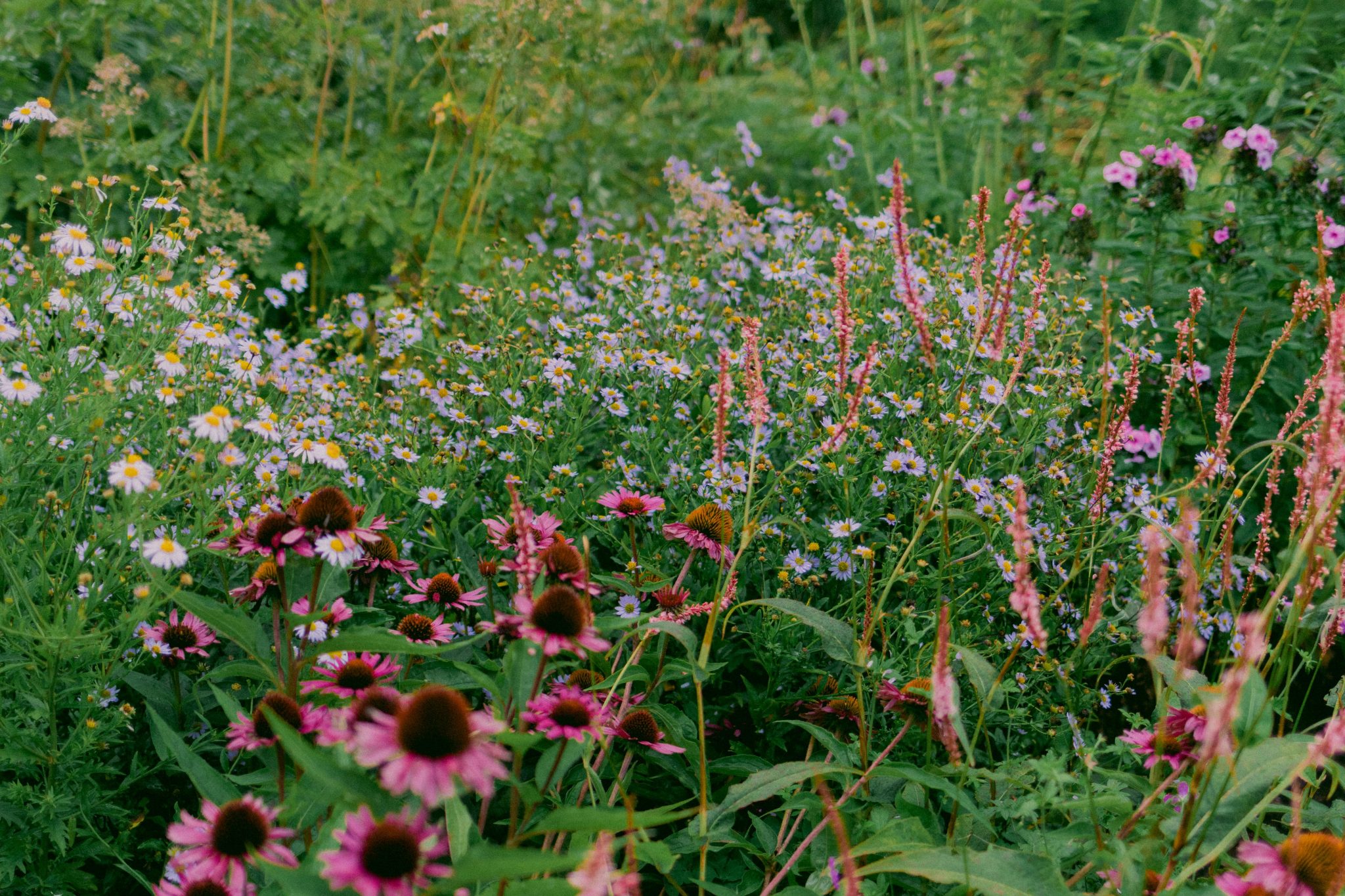
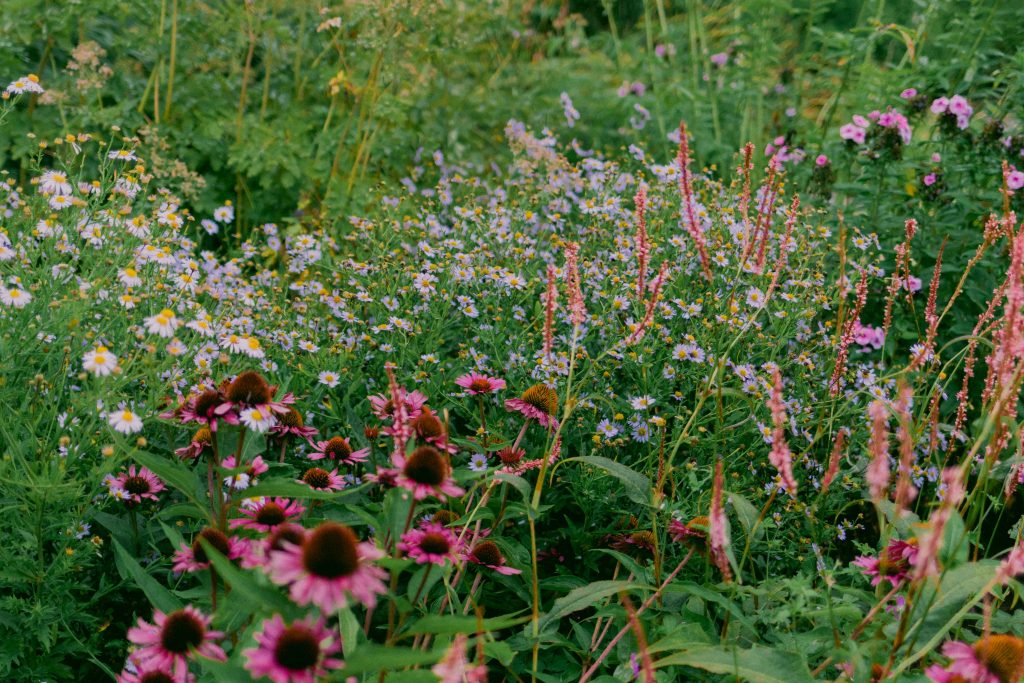
This approach mirrors natural ecosystems, which typically feature layered environments—combining tall canopy plants, medium shrubs, and ground-hugging flora—rather than the starkly separated, heavily mulched circles common in conventional suburban yards. Allowing beneficial ground covers and self-seeding perennials to establish a more naturalized growth pattern reduces labor while supporting local biodiversity.
Practical Strategies for Scaling Back Maintenance
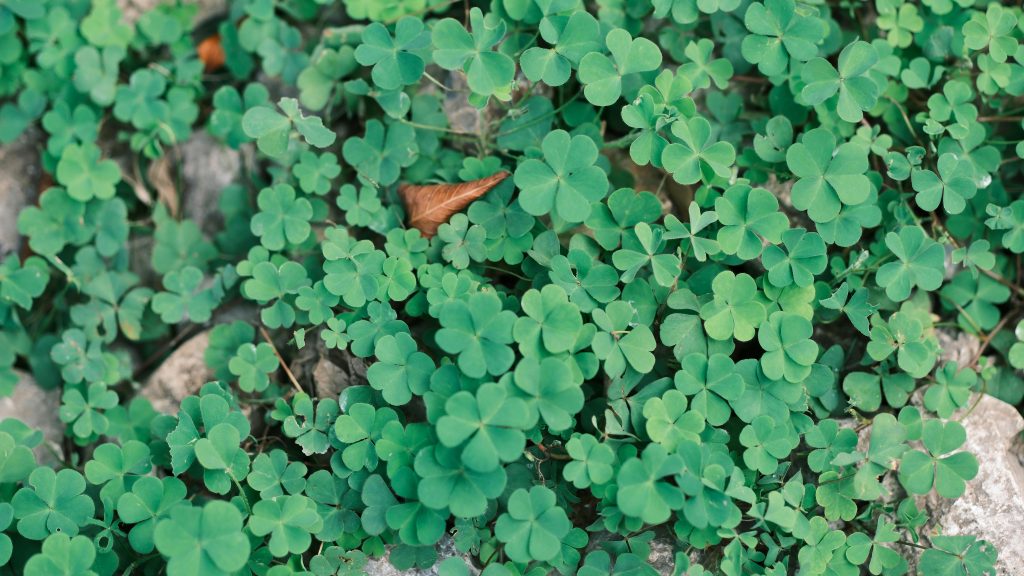
For homeowners hesitant to completely overhaul their property, gradual landscape reduction offers a manageable alternative. By identifying underutilized areas—such as awkward strips along driveways, shaded corners near fences, or difficult patches around trees—property owners can systematically convert small sections of lawn into native perennial beds, clover patches, or mulched tree rings. Over time, these incremental changes shrink the active lawn down to functional spaces used for walking and recreation.
Water management also benefits from modernization. Traditional overhead sprinklers often lose significant amounts of water to evaporation and wind drift before moisture reaches the soil. Drip irrigation systems deliver water directly to plant root zones on automated timers, cutting water consumption and reducing manual labor. Combined with a generous layer of organic mulch, which suppresses weeds, regulates soil temperature, and retains moisture, efficient irrigation systems streamline property maintenance.
Integrating Edible Landscapes and Decluttering Outdoor Spaces
Another emerging trend involves blurring the lines between ornamental gardens and food production. Urban homesteaders and casual gardeners alike are discovering that many edible plants perform double duty in landscape design. Fruit trees double as shade providers, berry bushes function as flowering shrubs, and culinary herbs like rosemary, thyme, and sage integrate seamlessly into standard flower beds while supplying fresh ingredients for the kitchen.
Furthermore, proponents of minimal landscaping emphasize the importance of applying the same decluttering principles used indoors to the outdoors. Removing broken patio furniture, clearing out unused storage sheds, discarding expired garden supplies, and removing unloved plants help transform the yard into a functional extension of the home.
Ultimately, minimal landscaping is not about creating a sterile or empty environment. Rather, it represents a deliberate choice to design outdoor spaces that respect natural resources, honor personal time constraints, and support sustainable living practices for the long term.