
Experts in minimalist living and sustainability are increasingly emphasizing that meaningful environmental change does not require an immediate, total overhaul of one’s household. Instead, adopting real strategies and practical swaps can ease the transition, allowing individuals to take one manageable step at a time toward a healthier, more conscious lifestyle. By establishing general standards centered on reduction and efficiency, consumers can systematically replace everyday items without financial strain or lifestyle burnout.
Sustainable Beauty and Hygiene Routine Standards
Creating a sustainable bathroom routine begins with foundational principles that prioritize resource conservation and simplicity. Rather than adopting complicated regimens that require dozens of specialized items, advocates of sustainable living suggest that less is genuinely more. Simplifying a daily routine not only saves money and reduces environmental impact, but it frequently benefits personal health. Over-treating skin and hair with a rotating cast of chemical products often exacerbates the very issues consumers seek to resolve, proving that streamlined routines are frequently the most effective.
Another critical standard in sustainable purchasing involves avoiding the hidden costs associated with water dilution. Many commercial hygiene products consist of roughly 80 percent water, meaning consumers pay a substantial markup for a diluted formula, alongside inflated packaging and shipping costs. Because these products are primarily liquid, they almost universally rely on single-use plastic containers. Transitioning to undiluted alternatives, such as switching from liquid body wash to traditional bar soap, drastically reduces both financial expenditure and packaging waste.
Furthermore, the most ethical, sustainable, and affordable option in any transition is simply using what is already owned. Discarding perfectly functional products to immediately purchase eco-friendly replacements defeats the purpose of waste reduction. Consumers are encouraged to maintain their current inventory until items are exhausted or break, preparing for informed replacements only when necessary.
Finally, experts recommend taking the transition one step at a time. Attempting to swap an entire bathroom’s contents overnight often leads to decision fatigue and abandonment of the effort. Focusing on a single product category at a time allows individuals to evaluate what works for their personal needs before moving forward.
Shaving and Hair Removal
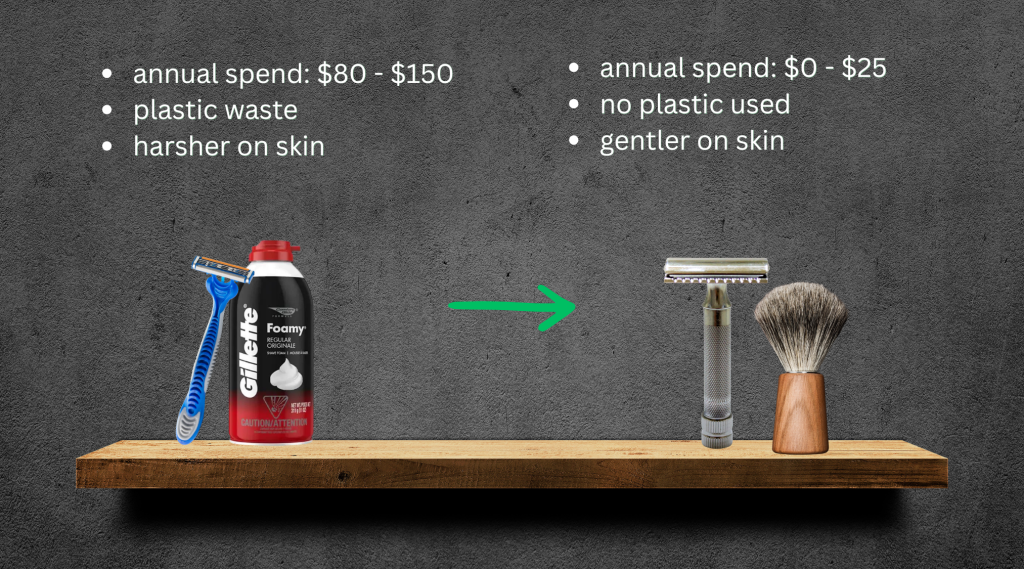
Traditional shaving habits often generate considerable waste through disposable plastic handles, short-lived plastic cartridges encased in plastic packaging, and bulky aerosol cans of shaving cream that require frequent replacement. Transitioning away from these conventional items can completely eliminate ongoing hair removal expenses while drastically cutting down on plastic pollution.
Safety razors offer a durable, long-term alternative to disposable multi-blade systems. While the initial investment is comparable to plastic counterparts found in mainstream retail stores, replacement blades are significantly cheaper, often costing half the price of a small pack of plastic cartridges while lasting for years. To complement this, consumers can utilize traditional shaving sticks and brushes. By wetting the skin and applying a concentrated soap stick worked into a lather with a brush, users can avoid pressurized cans entirely, with a single stick lasting for years of regular use.
For those willing to question cultural norms regarding grooming, an even more fundamental consideration is whether hair removal is strictly necessary. Allowing body hair to grow naturally remains a valid, zero-waste choice, though it requires a personal comfort level with societal expectations.
Hair Care and Cleansing Products
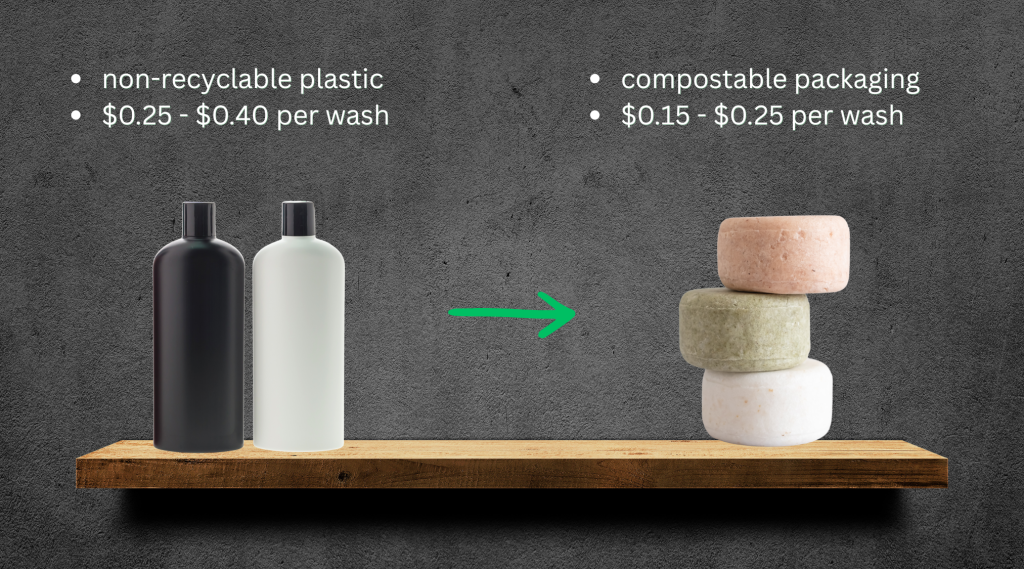
The market for hair and body cleansing is heavily dominated by plastic bottles containing heavily diluted formulas. Transitioning to solid bar alternatives for shampoo and body wash eliminates water weight, reduces packaging to minimal or compostable materials, and extends the lifespan of the product per use. While solid bars often carry a higher upfront cost than liquid counterparts, their longevity ensures a lower cost per wash over time.
While concerns regarding lather often deter consumers from adopting shampoo bars, experimentation with all-natural formulations reveals that high-quality bars can match the performance of liquid shampoos without the environmental footprint. Similar principles apply to hand hygiene, where consumers preferring liquid soap can utilize concentrated hand soap tablets dropped into reusable foaming dispensers filled with warm water. This method eliminates single-use plastic pump bottles while providing a non-toxic clean.
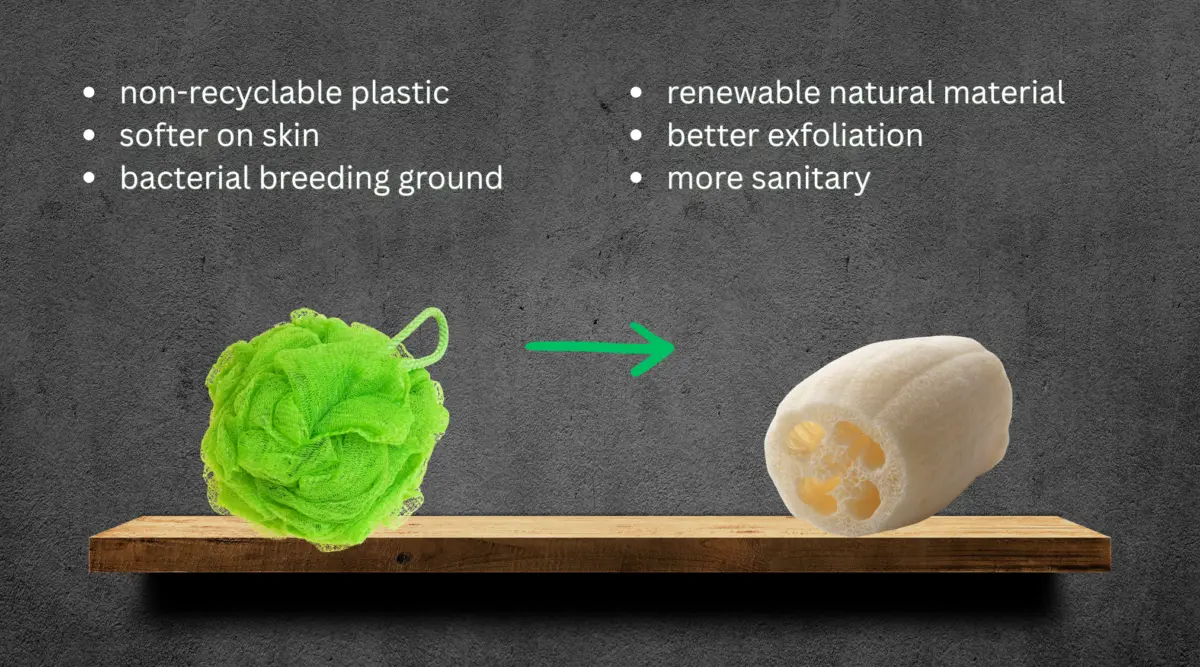
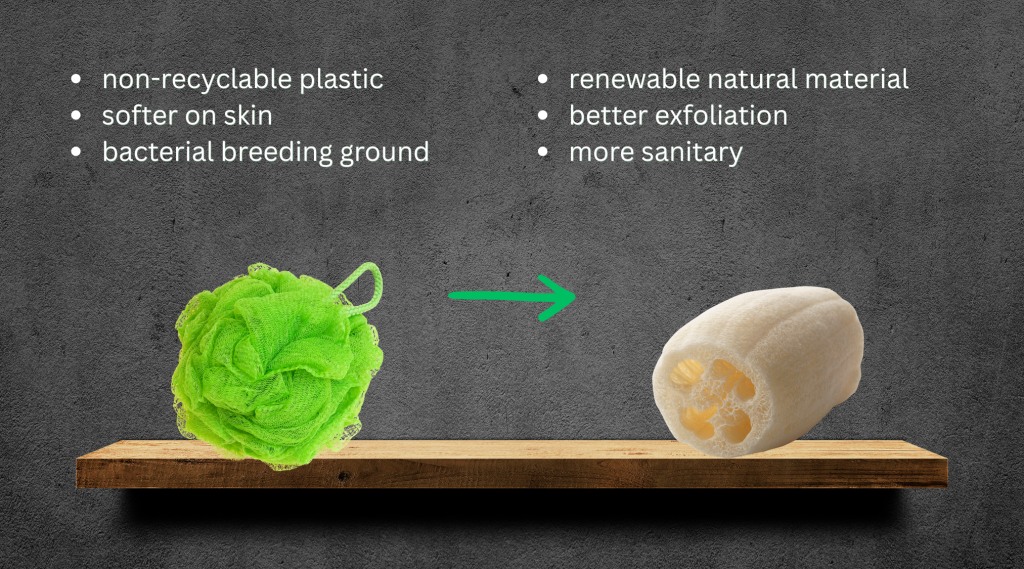
For bathing accessories, replacing synthetic, petroleum-based plastic loofahs with natural sea sponges or traditional plant-based luffas offers a compostable, highly effective alternative. Gardeners can even cultivate their own luffa gourds from seeds, creating a fully closed-loop system for bath exfoliation.
Skincare and Personal Maintenance
The core of a sustainable skincare and personal maintenance routine relies on radical simplification. Rather than maintaining complex regimens with dozens of specialized serums and treatments, dermatological health often requires little more than a gentle cleanser, a reliable moisturizer, and sun protection. Once an effective product is identified, avoiding further experimentation prevents unnecessary overconsumption.
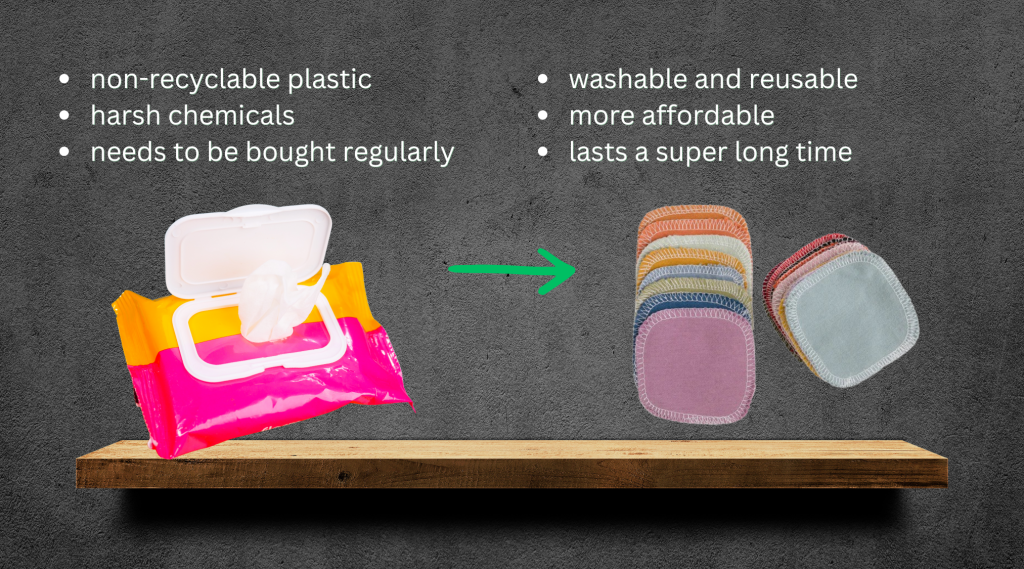
To minimize packaging waste further, consumers can turn to raw, whole ingredients such as jojoba oil, shea butter, aloe vera, and coconut oil for moisturization and makeup removal. These versatile ingredients can replace multiple commercial products while offering transparency regarding what is applied to the skin. Similarly, swapping disposable cotton rounds for reusable fabric pads—or even repurposed textiles like old t-shirts—eliminates daily single-use waste.

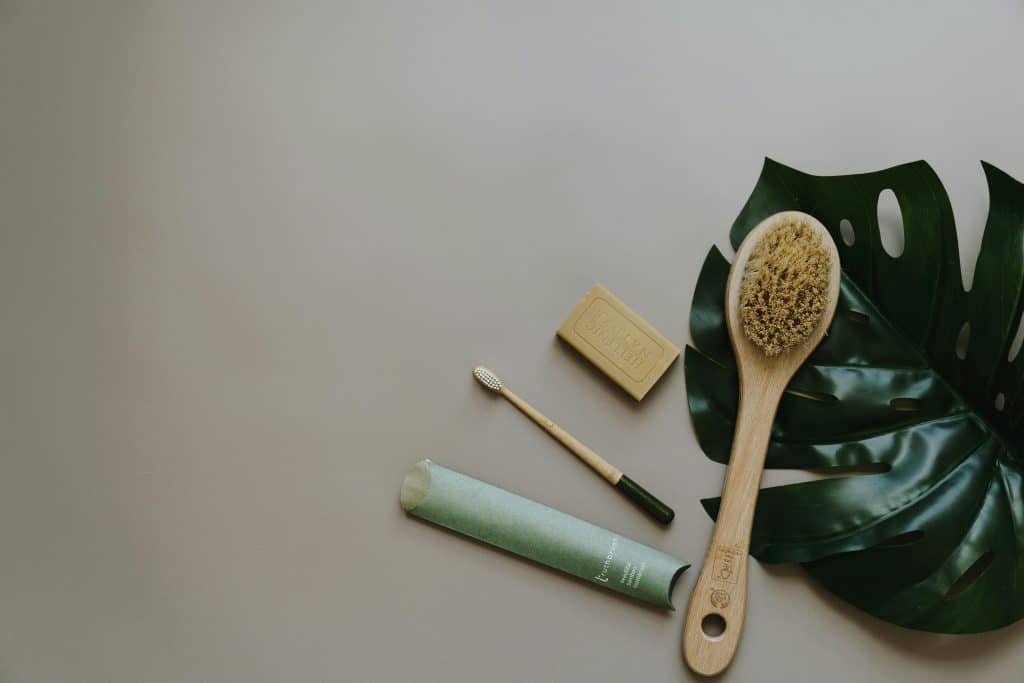
Oral hygiene presents further opportunities for waste reduction through bamboo toothbrushes, compostable bamboo floss stored in reusable glass containers, and toothpaste tablets. Toothpaste tablets eliminate the water weight and plastic tubes of conventional paste, requiring only that the user chew the tablet before brushing normally. While texture and flavor preferences vary, continuous improvements in tablet formulations have made them an increasingly viable alternative for daily use.
Menstrual products represent another significant source of household waste. The adoption of reusable alternatives, including menstrual cups, discs, period underwear, and washable cloth pads, fundamentally transforms a recurring monthly expense into a long-term investment. Although the initial cost of items like period underwear can be higher than a standard box of disposables, these products typically pay for themselves within a few cycles, reducing annual spending to a fraction of its previous cost.

Additional bathroom mainstays, such as toilet paper and cleaning supplies, can be similarly optimized. Installing a bidet significantly reduces toilet paper consumption while improving personal hygiene. For bathroom cleaning, versatile staples like baking soda, vinegar, rubbing alcohol, and cleaning tablets dissolved in reusable glass spray bottles can replace an entire cabinet’s worth of specialized chemical sprays.
Ultimately, sustainable living functions best as a series of gradual, imperfect choices rather than an unreachable standard of perfection. By monitoring household inventory, using existing supplies to completion, and making better purchasing decisions as items run out, consumers can achieve lasting, meaningful progress toward a more sustainable lifestyle.