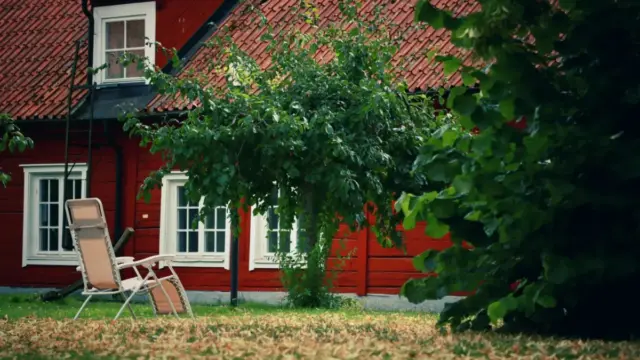
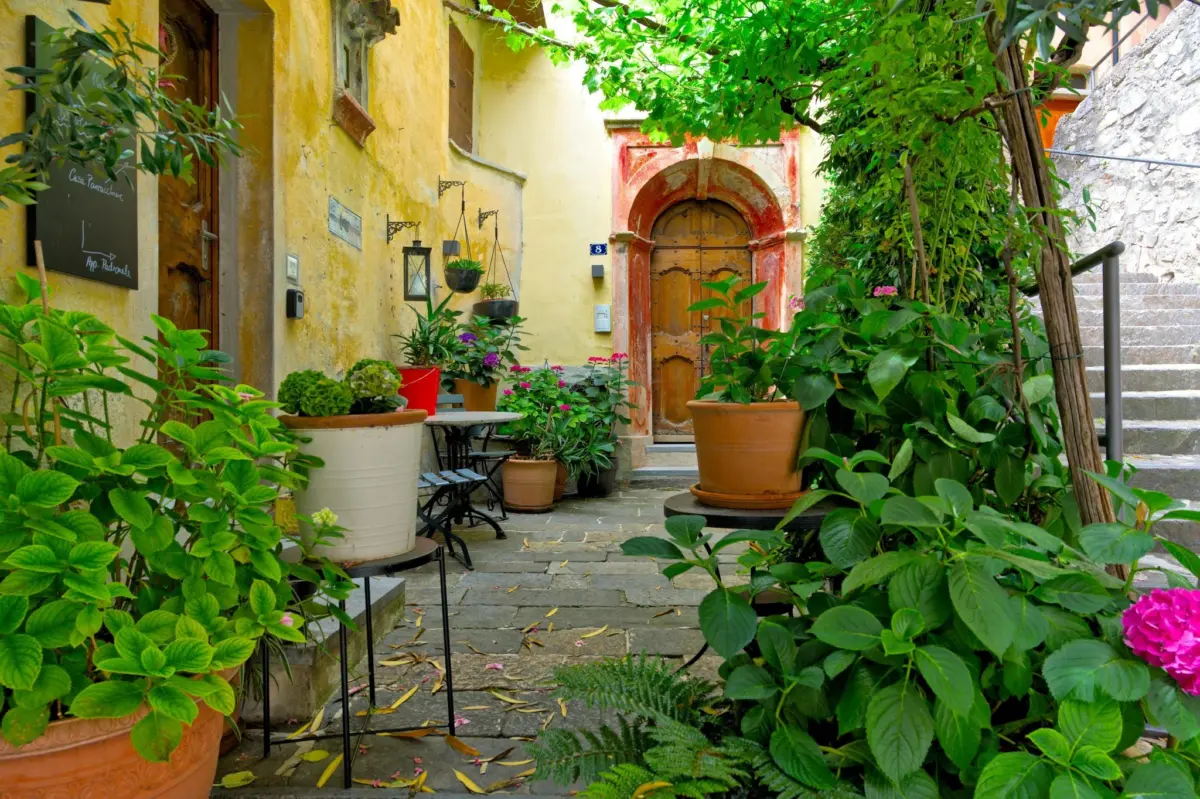
However, a growing movement among property owners, urban homesteaders, and environmental advocates is challenging the cultural dominance of the conventional monoculture lawn. Rather than pouring endless resources into turfgrass that requires constant maintenance and offers little ecological value, a rising number of residents are embracing minimalist, climate-appropriate landscaping. This shift is not about creating barren or austere outdoor spaces, but rather about designing landscapes that work in harmony with local ecosystems, natural rainfall patterns, and the personal schedules of those who maintain them.
The heavy reliance on uniform grass lawns has long historical roots, tracing back to European traditions where keeping land entirely out of agricultural production served as a visible display of wealth and social status. In modern suburbs, this legacy translates into millions of acres of turfgrass that require substantial inputs of chemical fertilizers, gas-powered maintenance equipment, and treated municipal water. Observers note the irony of intensive watering practices, such as irrigating non-native grass during peak heat and drought conditions, when a large portion of the water evaporates before ever reaching the soil.
In response, advocates for sustainable minimalism—sometimes referred to as green minimalism—are promoting alternatives that combine the intentionality of minimalist living with ecological stewardship. This approach emphasizes reducing high-maintenance turf and replacing it with functional, low-impact design strategies tailored to regional climates.
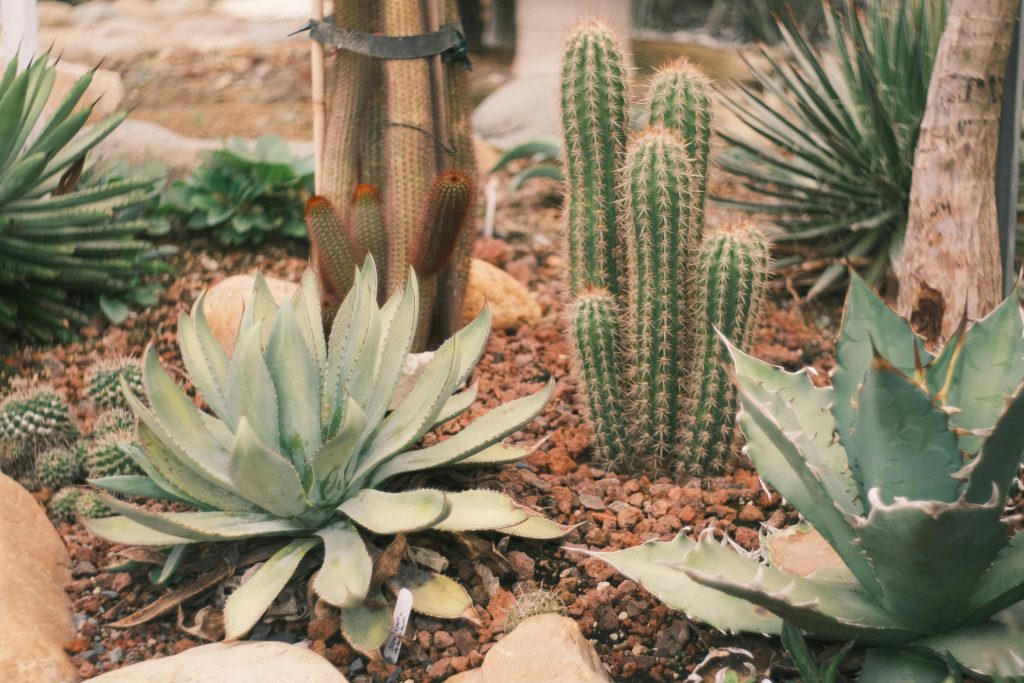
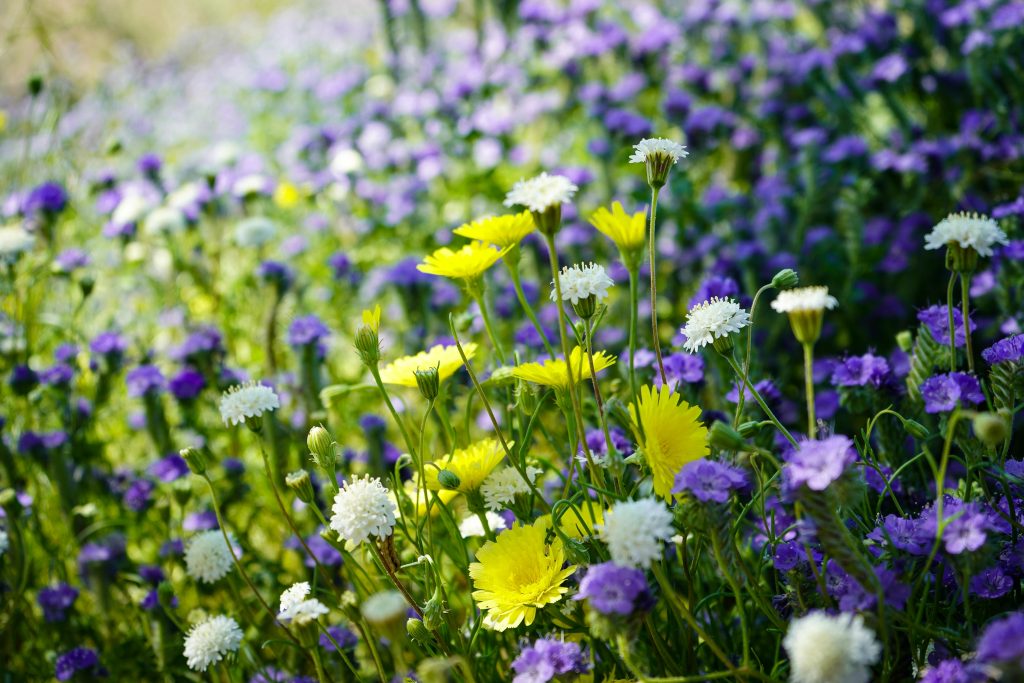
One primary strategy gaining traction is xeriscaping, a landscaping method specifically designed for low water usage. Contrary to common misconceptions that picture dry landscapes as stark gravel expanses resembling desert parking lots, well-executed xeriscaping incorporates winding paths of gravel or decomposed granite interspersed with drought-tolerant flora such as silver-leaved sage, lavender, yarrow, and ornamental grasses. By grouping plants according to their specific hydration needs, homeowners can create visually striking environments that thrive with minimal human intervention.
Rocks and natural stone elements also play a major role in low-maintenance landscape design. Permanent features like boulders provide instant architectural structure, while dry creek beds constructed from river rock solve drainage challenges while adding an intentional design element. Similarly, utilizing crushed granite or flagstone for pathways and seating areas reduces the labor and expense associated with traditional paved patios. Because rocks do not grow, require pruning, or need irrigation, they offer a durable foundation for minimalist yards.
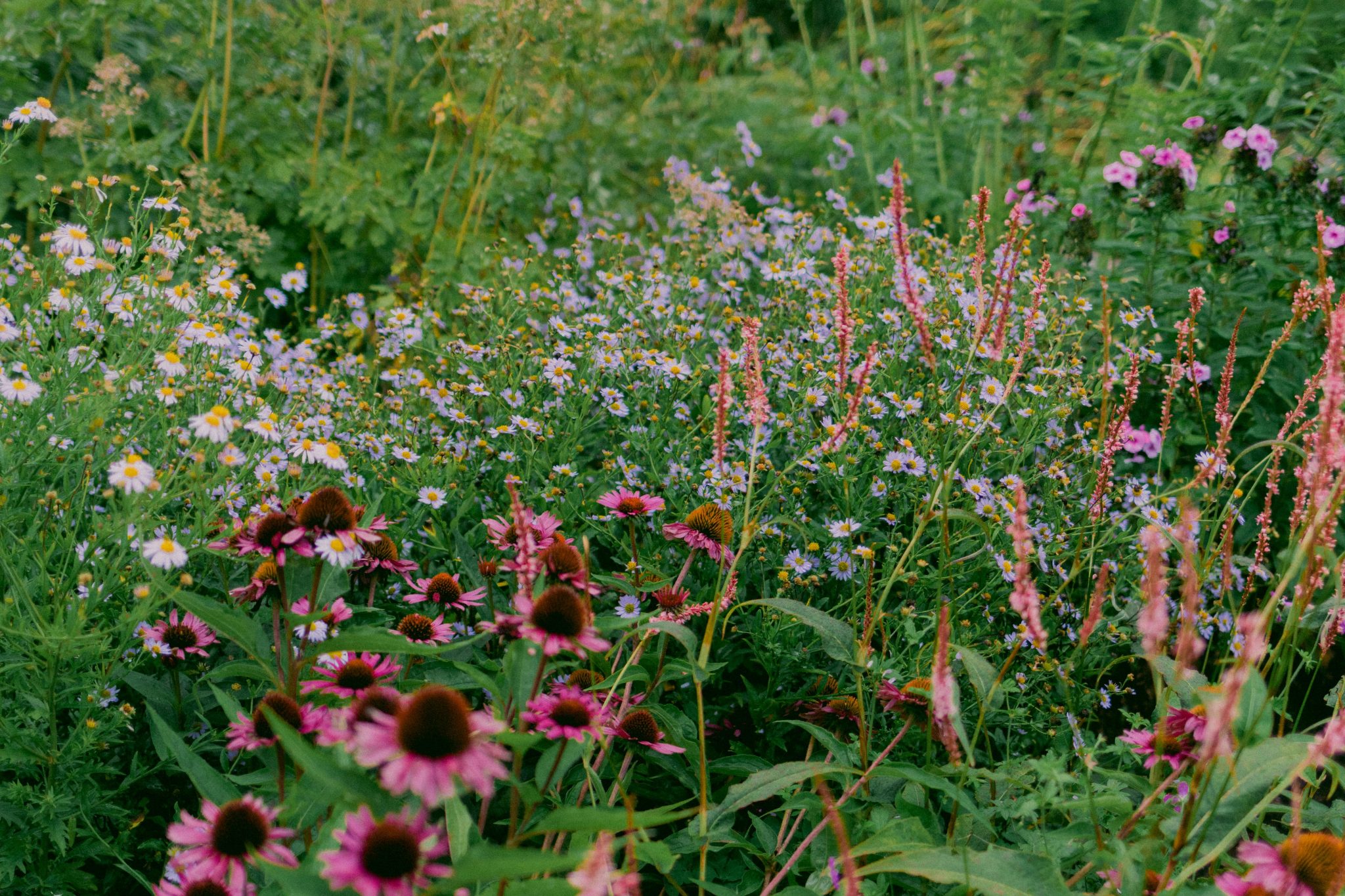
Another cornerstone of the sustainable landscaping movement is the integration of native plants. Because native species have evolved over generations to thrive in local soils, regional precipitation levels, and native insect populations, they typically require little to no supplemental watering, fertilization, or specialized care once established. Furthermore, these plants provide essential food and habitat for local pollinators and birds, which in turn assist with natural pest control. Regional native plant societies often provide resources and sample gardens to help residents identify species suited to their specific geographic areas.
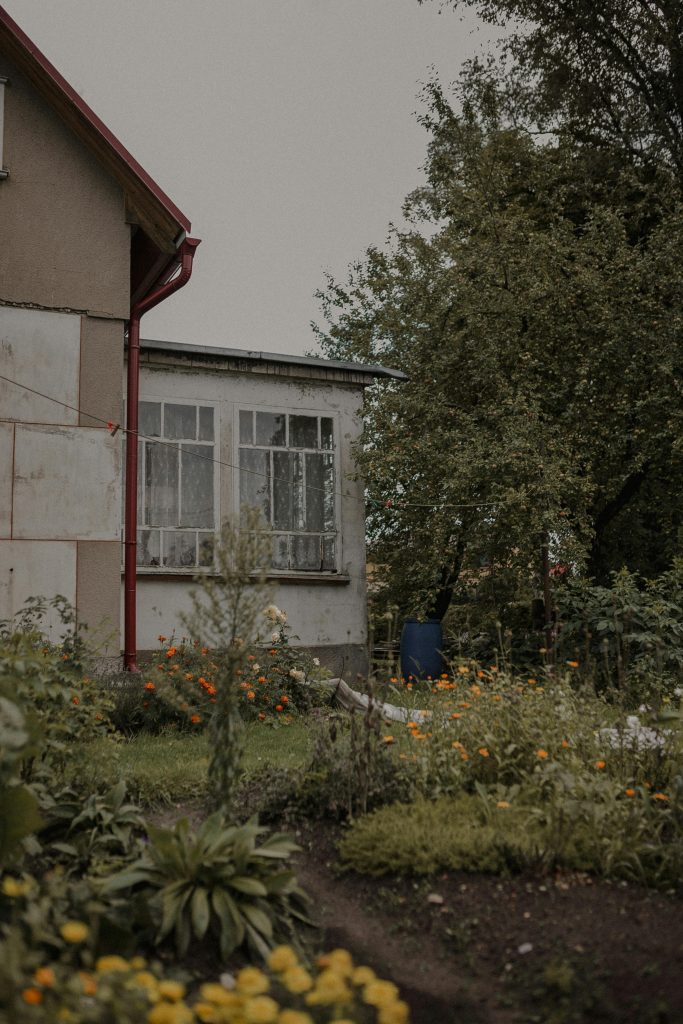
Rather than executing a complete and immediate lawn removal, many property owners are choosing to gradually shrink their turf areas over time. By targeting underutilized sections of the yard—such as awkward strips along driveways, shaded corners near fences, or difficult patches around trees—homeowners can convert small patches into perennial beds, clover patches, or mulched tree rings. Over several years, this incremental approach reduces the total area requiring regular mowing to only the spaces actively used for recreation and walking.
Water conservation efforts are similarly shifting away from overhead sprinklers toward more efficient delivery methods, such as drip irrigation. By applying water directly to the root zones of targeted plants on automated timers, homeowners can significantly cut down on water waste and lower utility bills. This is frequently paired with heavy applications of organic mulch, such as wood chips, shredded leaves, or straw. Mulching serves multiple functions simultaneously by suppressing weed growth, retaining soil moisture, regulating ground temperatures, and slowly decomposing to enrich the underlying earth.

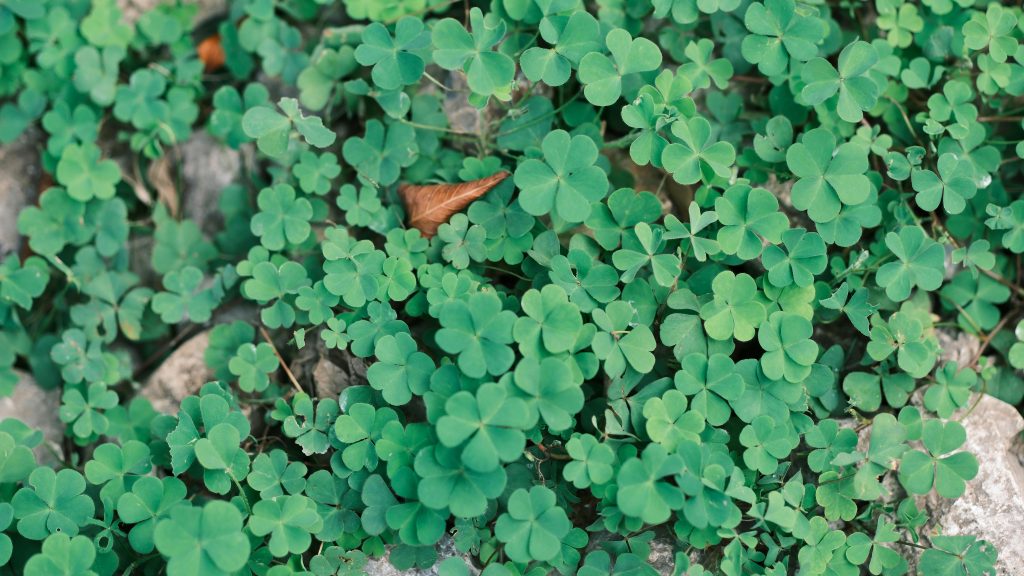
Alternative ground covers are also replacing traditional grass in areas where a green surface is desired without the associated upkeep. Plants such as creeping thyme, clover, moss, and various sedums offer resilient, low-profile surfaces that often require far less water and maintenance than standard turfgrass. Creeping thyme releases a pleasant fragrance when stepped on and attracts pollinators, while clover naturally fixes nitrogen into the soil, reducing the need for synthetic fertilizers.
Underpinning all of these design choices is the foundational principle of placing the right plant in the right environment. Matching species to their ideal conditions—such as pairing shade-tolerant ferns and hostas with damp, dark corners, or utilizing drought-resistant Mediterranean herbs on hot, south-facing slopes—eliminates the persistent struggle of forcing plants to survive in unsuitable locations.
For many participants in the movement, minimalist landscaping extends naturally into edible gardening. By integrating food-producing plants directly into ornamental beds rather than maintaining separate, fenced vegetable plots, property owners can cultivate productive spaces without adding extra maintenance zones. Fruit trees double as shade providers, berry bushes function as flowering shrubs, and culinary herbs like rosemary and sage serve as dual-purpose landscape elements.
The shift toward low-impact outdoor spaces also encourages a re-evaluation of seasonal chores, such as managing fallen autumn leaves. Rather than bagging leaves in plastic and sending them to landfills, advocates suggest leaving them in place or raking them into garden beds to serve as natural mulch. As the leaves decompose, they nourish the soil and provide overwintering shelter for beneficial insects at no financial cost.
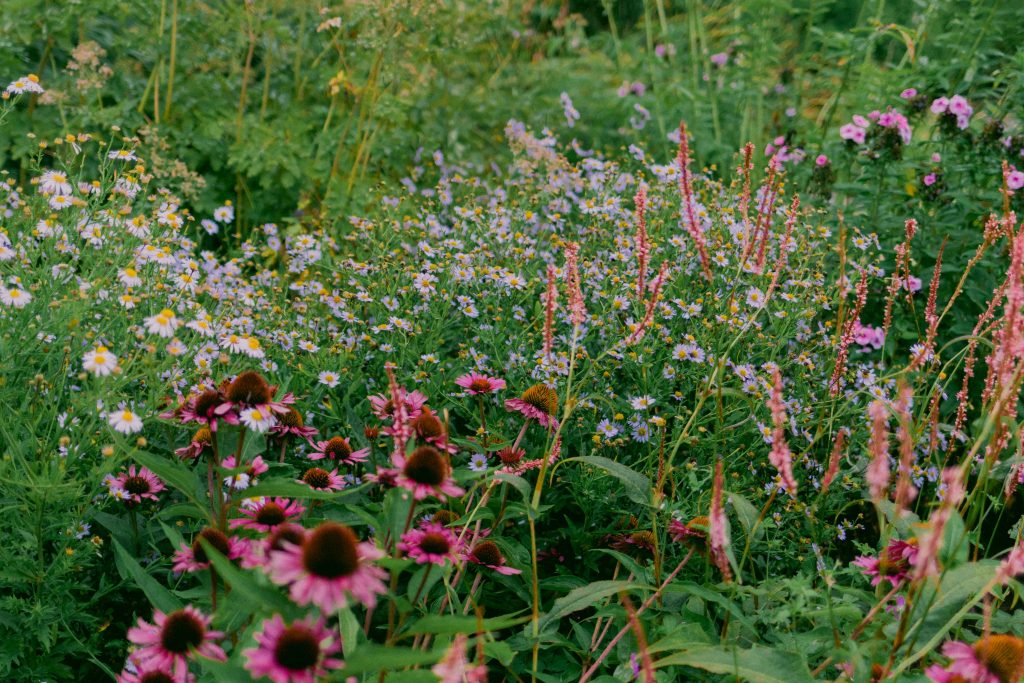
Ultimately, proponents emphasize that minimalist landscaping is not a rigid formula, but a personalized process of aligning outdoor spaces with individual lifestyles and environmental realities. By decluttering yards of broken furniture, rusted tools, and unwanted plants in the same manner as indoor living spaces, homeowners can reduce the time and energy spent on upkeep. The resulting landscape is intended not to conform to rigid neighborhood standards of perfection, but to function as a manageable, supportive extension of the home that respects both personal time and natural resources.