
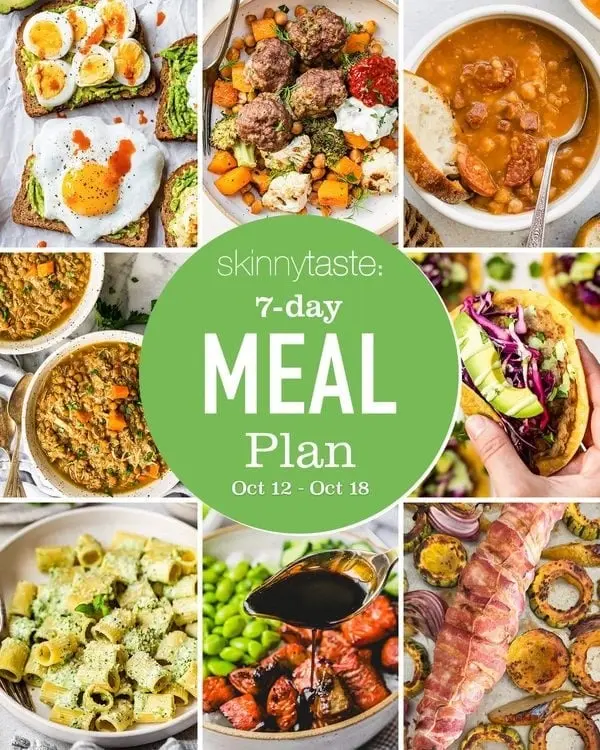
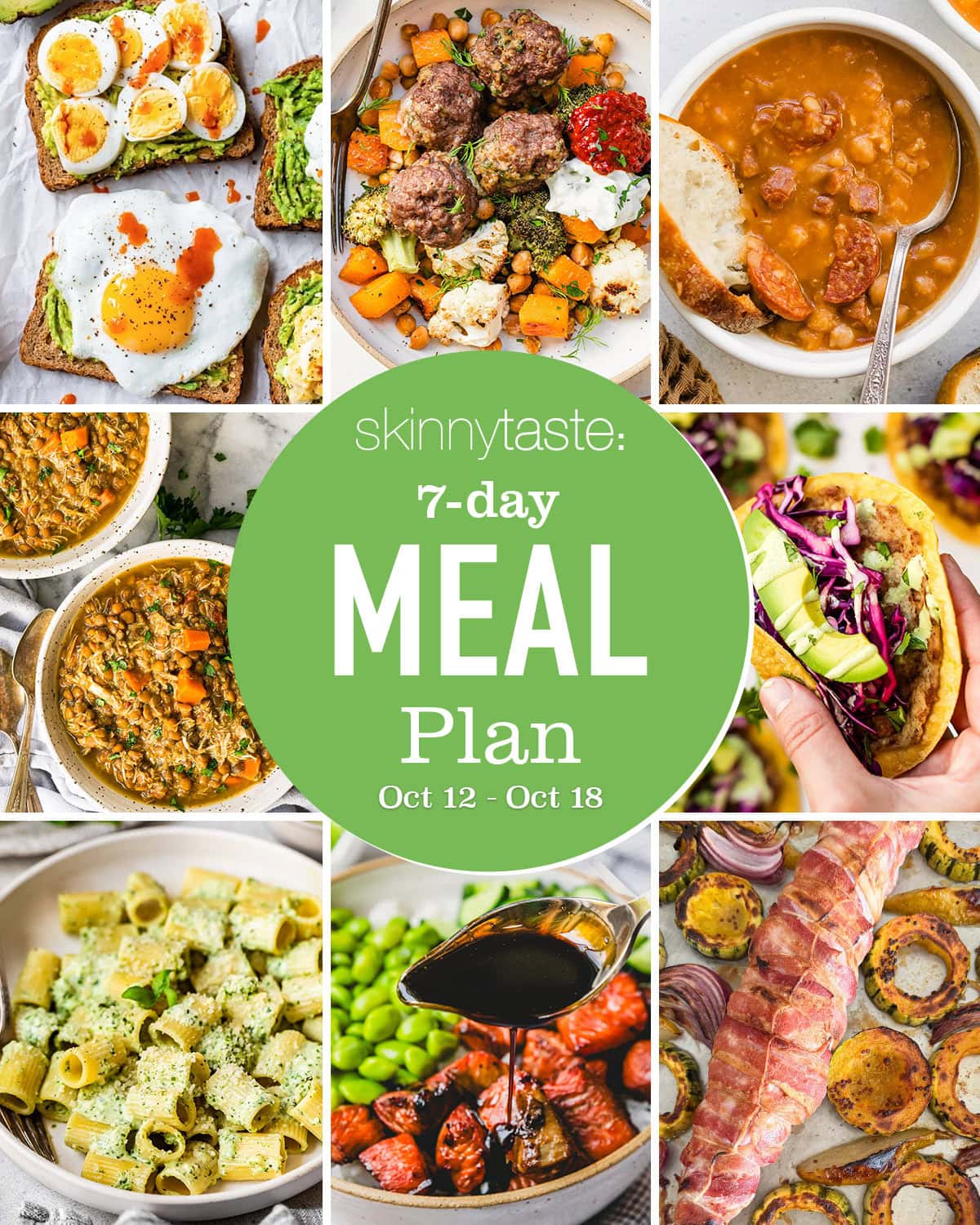
The week-long plan integrates macro-conscious recipes, Weight Watchers points, and practical prep strategies designed to reduce household food waste. By combining batch cooking, strategic leftover management, and seasonal ingredients, the approach addresses both the physical demands of weight management and the practical realities of modern grocery shopping.
The Nutritional Benefits of Autumn Produce
At the core of the October culinary strategy is pumpkin, an autumn staple that delivers exceptional nutritional value alongside its versatile flavor profile. Beyond its cultural association with fall festivities, pumpkin serves as a powerhouse ingredient packed with beta-carotene, vitamin A, potassium, dietary fiber, and essential antioxidants. These nutrients contribute to overall digestive health, bolster immune function, and support cellular health during the changing seasons.
The menu highlights pumpkin’s versatility by incorporating it into both savory and sweet applications. Warm, comforting options such as Roasted Pumpkin Sage Soup and a hearty Beef Stew served over pumpkin showcase the squash as a robust dinner center. For lighter meals and snacks, low-fat Pumpkin Bread topped with pepitas offers a nutrient-rich breakfast or afternoon option, while a creative Pumpkin Pie Dip—presented inside a small carved pumpkin—provides a seasonal treat suitable for social gatherings.
Incorporating seasonal produce like pumpkin, butternut squash, and winter greens not only optimizes nutritional intake but often aligns with lower market prices when these crops are in peak harvest. This overlap between seasonal availability and nutritional efficiency forms the foundation of sustainable, long-term healthy eating habits.
Managing Inflation Through Structured Meal Planning
With food pricing remaining a primary concern for consumers, adopting a deliberate approach to weekly menus has become an essential home budgeting tool. Unplanned trips to the grocery store frequently lead to impulse purchases, unused items spoiling in the refrigerator, and an overreliance on expensive takeout options.
A structured weekly menu mitigates these issues by establishing a precise, organized shopping list that aligns directly with planned meals. By buying only what is needed and accounting for leftover utilization, households can significantly cut down on food waste while keeping dining expenses predictable.
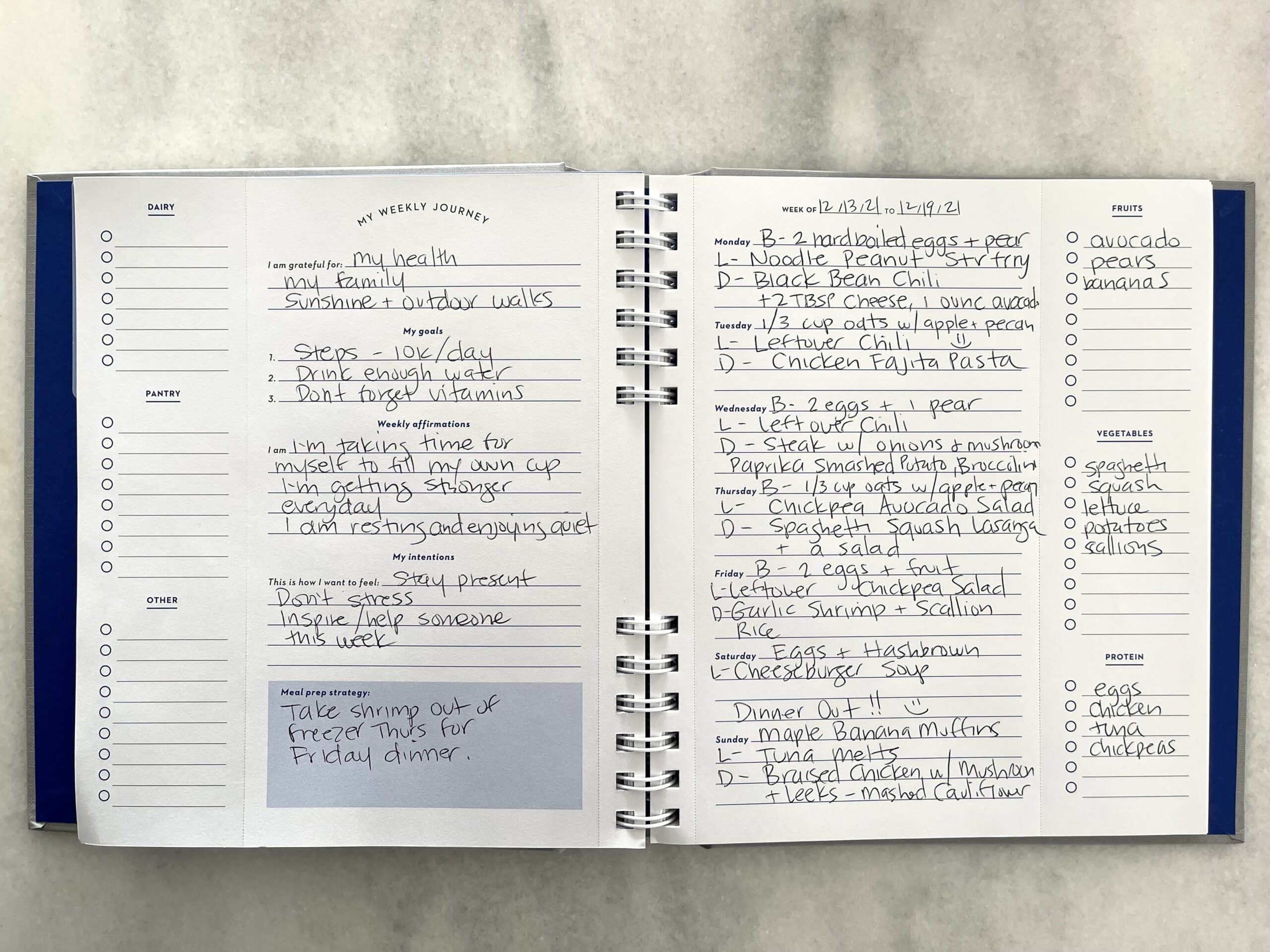
To support long-term planning, tools such as the spiral-bound Ultimate Skinnytaste Meal Planner offer a physical layout for organizing 52 weeks of meals. The planner includes weekly grids, tear-out shopping lists, a 12-week curated meal structure, and specialized recipes. Recognizing the mental health aspect of routine-building, the planner also incorporates dedicated sections for weekly intentions, gratitude, and positive affirmations. For digital users, platforms like Relish+ provide alternative budget-focused five-day meal frameworks tailored to varying household sizes.
Daily Meal Framework and Menu Structure
The October seven-day meal plan is designed with a hybrid allocation model: weekday breakfasts and lunches are scaled for an individual, while evening dinners and all weekend meals are formatted to feed a family of four. This structure allows single professionals or busy parents to manage daytime nutrition efficiently while bringing the household together for dinner.

Monday, October 12
The week opens with a balance of lean protein, healthy fats, and complex carbohydrates.
- Breakfast: Classic Avocado Toast paired with a sunny-side-up egg provides healthy fats and protein to start the day.
- Lunch: Cranberry Chicken Salad served over fresh apple slices offers a crisp, sweet-and-savory combination that eliminates heavy breads in favor of seasonal fruit.
- Dinner: Creamy Pesto Pasta enriched with cottage cheese for an elevated protein content, served alongside Parmesan-crusted zucchini.
- Nutritional Overview: The tracked baseline for the day yields approximately 1,116 calories.
Tuesday, October 13
Tuesday emphasizes quick-prep items and air-fryer techniques to simplify kitchen time.
- Breakfast: An Air Fryer Breakfast Banana Split, combining warm fruit with balanced toppings for a nutrient-dense morning meal.
- Lunch: A second serving of the Cranberry Chicken Salad on crisp apple slices, utilizing prepped ingredients from earlier in the week.
- Dinner: Chicken Smash Tacos drizzled with a creamy jalapeño sauce, accompanied by Cilantro Lime Cauliflower Rice to keep evening carbohydrates light while maintaining bold flavors.
- Nutritional Overview: Total baseline calories for the day reach approximately 1,232.
Wednesday, October 14
Midweek meals prioritize high-protein efficiency and time-saving cooking appliances.
- Breakfast: A High-Protein Zucchini Omelet tailored for one, offering fiber and protein with minimal cleanup.
- Lunch: A final portion of the Cranberry Chicken Salad on apple slices.
- Dinner: Instant Pot Spanish Garbanzo Stew, a hearty, plant-forward meal cooked under pressure to build deep flavors rapidly while establishing leftovers for subsequent lunches.
- Nutritional Overview: The single-day baseline comes to approximately 1,125 calories.
Thursday, October 15
Thursday highlights the utility of batch cooking by repurposing Wednesday’s dinner.
- Breakfast: A repeat of the Air Fryer Breakfast Banana Split.
- Lunch: Leftover Instant Pot Spanish Garbanzo Stew, providing a quick, warm midday meal without additional cooking.
- Dinner: Sheet Pan Meatballs roasted alongside chickpeas, cauliflower, and sweet butternut squash, maximizing oven efficiency and minimizing dishwashing.
- Nutritional Overview: Tracked daily baseline calories stand at approximately 1,179.
Friday, October 16
The weekday concludes with a focus on simple morning prep and a nutrient-dense seafood dinner.
- Breakfast: Avocado Toast topped with a sunny-side egg.
- Lunch: The remaining portion of the Instant Pot Spanish Garbanzo Stew.
- Dinner: Air-fryer or oven-baked Teriyaki Salmon Bowls, delivering essential omega-3 fatty acids alongside balanced grains and vegetables.
- Nutritional Overview: Total baseline caloric intake is estimated at 1,123 calories.
Saturday, October 17
Weekend scheduling adapts to accommodate social activities and relaxed family morning routines.
- Breakfast: Baked Pumpkin Pancake Muffins, blending seasonal pumpkin flavor into a convenient, batch-baked breakfast format.
- Lunch: Slow Cooker Chicken and Lentil Soup, offering a low-maintenance, high-fiber meal that simmered throughout the morning.
- Dinner: Reserved for dining out, allowing flexibility for social events or rest while maintaining healthy choices earlier in the day.
- Nutritional Overview: The home-prepared meals for the day account for approximately 594 calories before accounting for the evening meal.
Sunday, October 18
The week concludes with warm, restorative comfort foods designed to prepare households for the week ahead.
- Breakfast: Savory Steel Cut Oats, moving away from sweet oatmeal preparations in favor of rich, savory seasonings.
- Lunch: Leftover Slow Cooker Chicken and Lentil Soup.
- Dinner: Bacon-Wrapped Pork Tenderloin served alongside a raw shredded Brussels sprout salad tossed in lemon juice and olive oil.
- Nutritional Overview: The daily baseline total equals approximately 1,104 calories.
Caloric Guidelines and Plan Flexibility
While the tracked meals in the mid-October plan average between 1,100 and 1,250 daily calories, health professionals emphasize that these figures serve purely as an foundational menu framework rather than a universal standard. Standard dietary guidelines generally suggest an average baseline of roughly 1,500 calories per day for adult women seeking weight management, though precise requirements vary significantly based on individual age, baseline weight, metabolic rate, and physical activity levels.
The intentional gap between the plan’s base caloric count and recommended daily totals provides deliberate "wiggle room." This buffer allows individuals to customize their day with morning coffee, whole fruits, mid-afternoon snacks, beverages, or evening desserts without exceeding their personal energy targets. Federal resources, such as the USDA MyPlate online calculator, offer personalized tools to help individuals determine their exact caloric needs.
In addition to digital planning guides and downloadable Google Doc shopping lists, peer support remains a central component of dietary consistency. Digital groups and social media communities, such as the Skinnytaste Facebook community, allow home cooks to share recipe modifications, meal photos, and money-saving strategies, reinforcing the practical execution of structured, healthy eating in everyday life.