The initiative was sparked by a reader communication that highlighted a common barrier to entry in the health and wellness space. A community member recently reached out to the platform expressing a desire to improve overall health, build functional strength, and establish sustainable habits without feeling overwhelmed by the vast amount of conflicting fitness advice available online. The reader emphasized a need to make the process less intimidating and more enjoyable, sentiments that resonate deeply with many individuals who struggle to bridge the gap between wanting to change and knowing where to start.
Rather than directing the reader to standard, static archives or overwhelming resource libraries, coaching staff at Nerd Fitness recognized an opportunity to map out a clear, structured roadmap for the initial month. The newly developed program is structured around a series of weekly quests designed to introduce fitness concepts incrementally. By breaking down the monumental task of changing one’s lifestyle into digestible, week-by-week actions, the platform aims to eliminate second-guessing and build foundational momentum.
The program’s underlying philosophy relies heavily on behavioral psychology, specifically the concept of lowering the barrier to entry to encourage habit formation. Traditional fitness regimens often fail because they demand drastic, immediate lifestyle overhauls—such as waking up an hour early every day, completely altering one’s diet, or committing to strenuous, daily gym sessions. Nerd Fitness approaches the challenge differently by focusing on micro-habits and psychological momentum, allowing participants to experience small wins early in the process.
To kick off the 30-day experience, participants are introduced to a set of preliminary steps, humorously designated as Quest Zero and Quest Zero-and-a-Half. The first immediate action required of participants is remarkably simple: go for a short walk. Coaches emphasize that the length and location of the walk are entirely irrelevant. Whether it is a stroll through a local park or a few laps around the inside of a house, the objective is simply to initiate physical movement and alter the psychological state of the participant from stationary to active. This initial step serves as the spark for the broader 30-day framework.
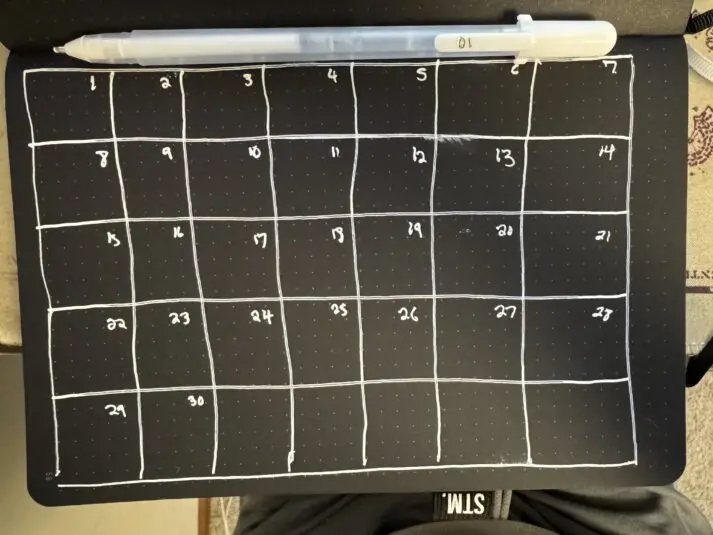
Following the initial walk, participants are instructed to create what the platform terms an "Adventure Log." This involves taking a simple piece of paper and drawing thirty individual boxes to represent the upcoming month. Participants are given creative freedom in the design of this tracker, which can resemble a standard calendar or even a whimsical treasure map, provided it is placed in a location where it will be seen daily. Each time a participant completes a designated quest, they record it in the corresponding box. This visual tracking mechanism serves as a tangible reinforcement of consistency, providing immediate positive feedback that is crucial for neurological habit formation.
The official focus for the first week of the program introduces the concept of "movement snacks." Rather than prescribing a formal, intimidating workout routine, the weekly quest encourages participants to integrate brief bursts of physical activity into their normal daily schedules. These movement snacks are designed to normalize physical activity, weaving it seamlessly into everyday life without requiring dedicated blocks of uninterrupted gym time.
Examples of movement snacks provided by the coaching team include performing a few bodyweight exercises while waiting for morning coffee to brew or engaging in light stretching on the floor while watching television in the evening. Each instance lasts only a couple of minutes, demonstrating that significant time investments are not required to reap the benefits of regular movement. To add an element of playfulness and remove monotony, participants are encouraged to list six different exercises and use a die to randomize their daily activity selection, keeping the routine fresh and engaging.
As participants complete these daily movement snacks throughout the week, they record an identifying mark in their Adventure Log for each successful day. Coaches explicitly note that inconsistency or missed days are entirely normal parts of the process, framing the tracker as a tool for self-awareness rather than an instrument of judgment. The visual representation of a week—featuring a mix of completed and missed goals—helps normalize the fluctuations inherent in starting a new habit.
The rollout of the 30-day quest system represents a broader shift in how digital wellness platforms are addressing the psychological hurdles of physical fitness. By prioritizing small, manageable actions, visual habit trackers, and elements of play, programs like the one introduced by Nerd Fitness seek to bridge the gap between aspiration and long-term execution. As the initial cohort embarks on their first week of movement snacks and short walks, the focus remains firmly on establishing steady momentum and proving that fitness can be integrated into daily life without overwhelming the individual.