The initiative was sparked by a piece of reader correspondence that resonated deeply with the platform’s core philosophy. A newcomer to the community reached out with a common goal shared by many aspiring fitness enthusiasts: the desire to get healthier, build strength, and establish sustainable habits that would stand the test of time without inducing burnout. Expressing a hope that the platform could simplify the process and infuse a sense of enjoyment into the routine, the reader highlighted a sentiment that frequently goes unaddressed in the broader fitness industry, where extreme regimens often alienate beginners.
Recognizing an opportunity to provide structured support, Coach Matt elected to design a comprehensive roadmap for the next 30 days, eliminating the second-guessing that often paralyzes individuals at the outset of a fitness journey. Rather than throwing participants into a grueling, high-intensity workout regime, the program is structured around weekly objectives that progressively build momentum. Over the course of four weeks, participants receive targeted quests focusing on different dimensions of physical fitness, culminating in a solid foundation for a healthier and more consistent lifestyle.
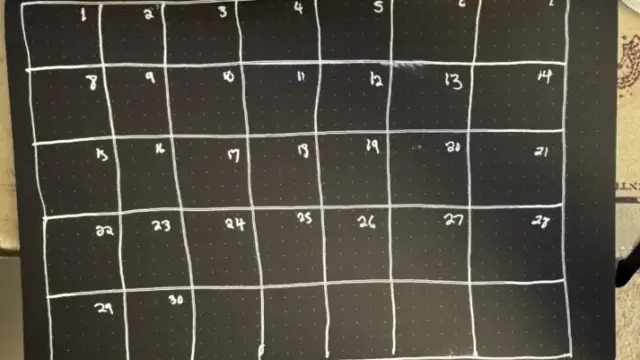
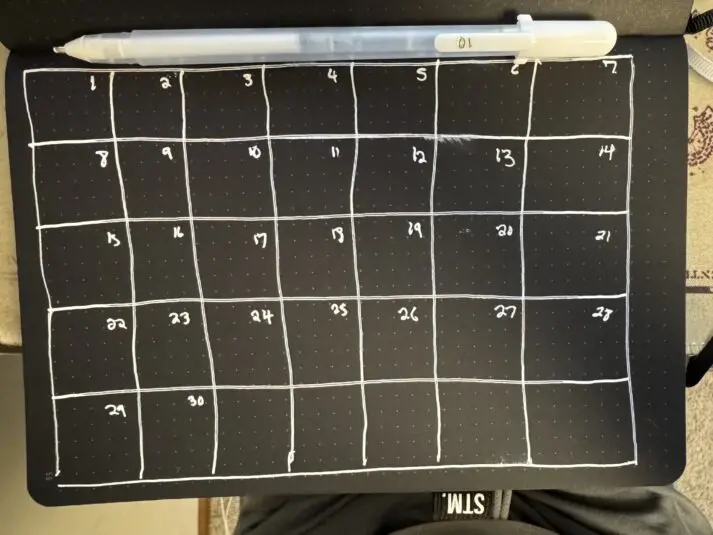
The journey begins with foundational steps designed to transition participants from contemplation to action with minimal friction. The initial phase involves two immediate actions: embarking on a short walk of any length or location, and creating a physical tracking system, dubbed an "Adventure Log." By drawing thirty boxes on a piece of paper—a format that can range from a standard calendar to a creative treasure map—participants establish a visual method to monitor their progress. This low-stakes introduction serves to shift psychological momentum, ensuring that individuals experience an immediate sense of accomplishment before tackling more structured physical activities.
Moving into the core of the first week, the curriculum introduces the concept of "movement snacks." Eschewing traditional, time-consuming gym sessions, this strategy focuses on weaving short bursts of physical activity into daily routines to normalize movement. Examples include performing a handful of bodyweight exercises while waiting for morning coffee to brew or engaging in brief stretching sessions while watching television in the evening. To inject an element of playfulness into the routine, participants are given the option to utilize randomization techniques, such as rolling a die to determine which exercise to perform from a curated list of six movements.
Tracking these activities involves marking the tracker with a designated symbol whenever a movement snack is successfully completed. Organizers emphasize that consistency is the primary objective, noting that a weekly ledger displaying a mixture of completed days and missed targets is entirely normal and expected during the early stages of habit formation. This forgiving approach is designed to counter the all-or-nothing mindset that frequently derails fitness goals.
As the 30-day program rolls out, the community continues to offer subsequent quests through an opt-in communication framework, ensuring that participants actively consent to receiving the ongoing guidance. By breaking down the daunting prospect of lifestyle change into bite-sized, game-like increments, Nerd Fitness is positioning its latest initiative as a viable antidote to fitness intimidation. As participants take their initial steps and mark their newly minted adventure logs, the community continues to emphasize that sustainable change is built one small, manageable action at a time.