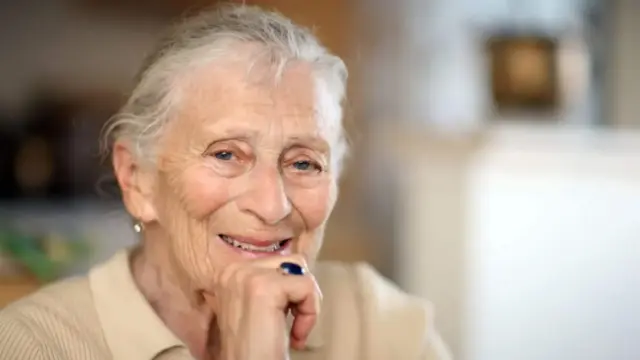

The intersection of aging and family estrangement creates a unique landscape of vulnerability. Older adults are already managing the natural physiological shifts associated with aging, from changes in metabolism and bone density to shifting cardiovascular needs. When chronic emotional stress enters the picture, it can exacerbate age-related vulnerabilities, potentially leading to compromised immune function, elevated blood pressure, and heightened anxiety. Consequently, healthcare professionals are increasingly urging older parents to view physical self-care as an essential component of emotional survival, offering a structured approach to weathering the storm without falling into isolation or physical decline.
Prioritize Self-Care: A Fundamental Pillar of Resilience
Amid the consuming turmoil of family estrangement, individuals frequently neglect their own daily needs, casting self-care aside as an unnecessary luxury. Advocates and wellness experts, however, are working to reframe that perspective, emphasizing that self-care is a vital necessity rather than an indulgence. For older adults, establishing a daily ritual of personal care serves as a powerful anchor during periods of emotional instability.
Whether it involves immersing oneself in a compelling book, tending to a home garden, or simply taking the time to savor a warm beverage in quiet reflection, these small acts of self-indulgence nurture both the body and the soul. Psychological studies consistently show that engaging in routine, pleasurable activities helps mitigate the neurological impacts of chronic stress. By intentionally carving out moments of peace within a chaotic daily reality, older parents can gradually rebuild the emotional resilience required to process their grief and maintain a sense of personal agency.
Savor the Nourishment of a Healthy Diet
Nutrition plays a pivotal role in determining overall health, vitality, and mood regulation, yet it is often one of the first casualties when a person is experiencing deep emotional distress. Experts suggest viewing the human body as a garden that requires steady, quality nourishment to thrive and withstand adverse conditions. For older adults dealing with the physiological toll of estrangement, maintaining a balanced diet rich in fruits, vegetables, whole grains, lean proteins, and healthy fats is indispensable.
These nutrient-dense foods not only support long-term physical health and immune function but can also provide a tangible sense of comfort and internal stabilization during trying times. Furthermore, health professionals continually stress the importance of adequate hydration. Dehydration can exacerbate feelings of fatigue, brain fog, and stress, whereas maintaining a well-hydrated system helps the body better manage cortisol levels and combat the physical exhaustion frequently linked to prolonged emotional grief.
Embrace Movement for Body and Soul
Physical activity is widely acknowledged as a cornerstone of healthy aging, but its benefits extend far beyond muscle tone and cardiovascular health. For individuals grappling with estrangement, movement can serve as a profound form of emotional release and self-expression. Regular, moderate exercise helps reduce stress hormones, elevate mood, and improve overall sleep quality—all of which are frequently disrupted by family conflict.
Health experts advise older adults to seek out exercise routines that bring genuine joy while remaining appropriate for their specific age and fitness level. Options range from gentle yoga designed to soothe the spirit and improve flexibility to the flowing, meditative movements of tai chi, which harmonizes the body and mind. Leisurely walks in a local park or the low-impact, soothing embrace of swimming offer additional pathways for older individuals to reconnect with their physical selves. By transforming movement into a practice of self-love, parents can alleviate some of the physical tension stored in their bodies as a result of emotional heartache.
The Beauty of Rest: A Healing Balm
The emotional exhaustion accompanying family estrangement is often profound, leaving individuals drained of energy and ill-equipped to handle daily responsibilities. During periods of intense turmoil, the human body requires restorative rest more than ever. Sleep specialists and physicians recommend that older adults prioritize obtaining seven to eight hours of quality sleep each night to support cellular repair and cognitive functioning.
Establishing a consistent, soothing bedtime routine, optimizing the sleep environment for comfort and darkness, and avoiding stimulating activities or screens late in the evening can significantly improve sleep architecture. Rest should be viewed not merely as a passive state, but as an active, healing balm for a weary soul. Adequate nightly sleep equips older parents to wake up each morning with renewed physical strength and mental clarity to face the ongoing challenges of their situation.
Reach Out and Share the Burden
Coping with the reality of an estranged child can lead to profound isolation, as many older adults feel a sense of stigma or shame that prevents them from discussing their pain openly. However, healthcare advocates emphasize that individuals do not need to bear this heavy burden in isolation. Reaching out to trusted friends, extended family members, or specialized support groups can provide essential emotional validation and a safe space to express grief.
Sharing one’s feelings and experiences with peers who understand the unique pain of estrangement offers immense comfort. It creates an empathetic network that functions much like a warm blanket wrapping around a wounded heart, mitigating the physiological risks associated with loneliness and social isolation in older age.
The Art of Stress Relief and Mindfulness
Stress is a natural, evolutionary response to perceived threats and relational losses, but chronic, unmitigated stress can take a severe toll on physical health, contributing to cardiovascular issues, weakened immunity, and persistent anxiety. To counteract these effects, health professionals recommend integrating evidence-based stress-relief techniques into daily life, such as mindfulness meditation, deep breathing exercises, and progressive muscle relaxation.
These practices help individuals stay grounded in the present moment, short-circuiting runaway thought patterns about the past or the future. By carving out even a few minutes each day for mindful reflection, older adults can cultivate moments of tranquility amid an emotional storm, thereby reducing the physiological wear and tear of sustained grief.
Prioritizing Routine Health Checkups
As individuals age, regular medical evaluations become increasingly critical for the early detection and management of age-related health conditions. For parents navigating the stress of estrangement, maintaining a consistent schedule of routine checkups and screenings with a primary care provider is doubly important. Chronic emotional distress can manifest physically in ways that individuals might mistakenly attribute solely to aging.
Furthermore, healthcare providers encourage patients to be transparent about their emotional struggles during medical visits. Physicians and clinical staff can offer valuable guidance, connect patients with community resources, and help monitor how stress is impacting physical markers such as blood pressure and sleep patterns, ensuring that emotional pain does not result in unmanaged physical illness.
Seeking Solace in Therapeutic Interventions
While self-care and social support are vital, the depth of trauma associated with family estrangement often warrants professional intervention. Counseling and psychotherapy provide structured environments where individuals can process complex grief, unpack difficult emotions, and develop personalized coping strategies. A trained therapist can help older adults navigate the agonizing process of working toward acceptance and emotional healing.
Specialized estrangement coaching and therapy offer focused, practical measures to address individual well-being. Think of therapy as a secure harbor where difficult emotions can be safely explored, validated, and embraced without judgment, allowing older parents to untangle their self-worth from the status of their relationship with their adult child.
Focusing on What Can Be Controlled: An Inner Journey
One of the most agonizing aspects of estrangement is the reality that many elements of the situation remain entirely beyond a parent’s control. Constantly dwelling on unchangeable circumstances frequently leads to profound frustration, helplessness, and prolonged suffering. Mental health professionals advise individuals to consciously redirect their limited emotional energy toward areas where they can exert influence.
This pivot can be viewed as an inward journey of self-exploration—an opportunity to rediscover long-forgotten personal passions, pursue new avenues of personal growth, and cultivate meaningful connections with friends, community groups, or extended family. Rather than defining one’s entire existence by a broken family bond, older adults are encouraged to use this chapter to redefine their lives and identities on their own terms.
Dealing with estrangement remains a deeply challenging trial, particularly for parents over the age of 60 who are simultaneously managing the transitions of later life. Yet, as healthcare professionals and advocates repeatedly emphasize, making the conscious choice to nurture one’s physical well-being is a profound act of self-love. By committing to healthy lifestyle habits, seeking appropriate support systems, utilizing professional therapeutic resources, and focusing energy on controllable aspects of life, older adults can build the physical and emotional resilience necessary to endure.
Healing is a non-linear process that requires time, patience, and self-compassion. Extending the same warmth and understanding to oneself that one would readily offer to a cherished friend is essential. By honoring their physical health and emotional needs, older parents take vital, meaningful steps toward finding peace, acceptance, and renewed hope in the face of family estrangement.