
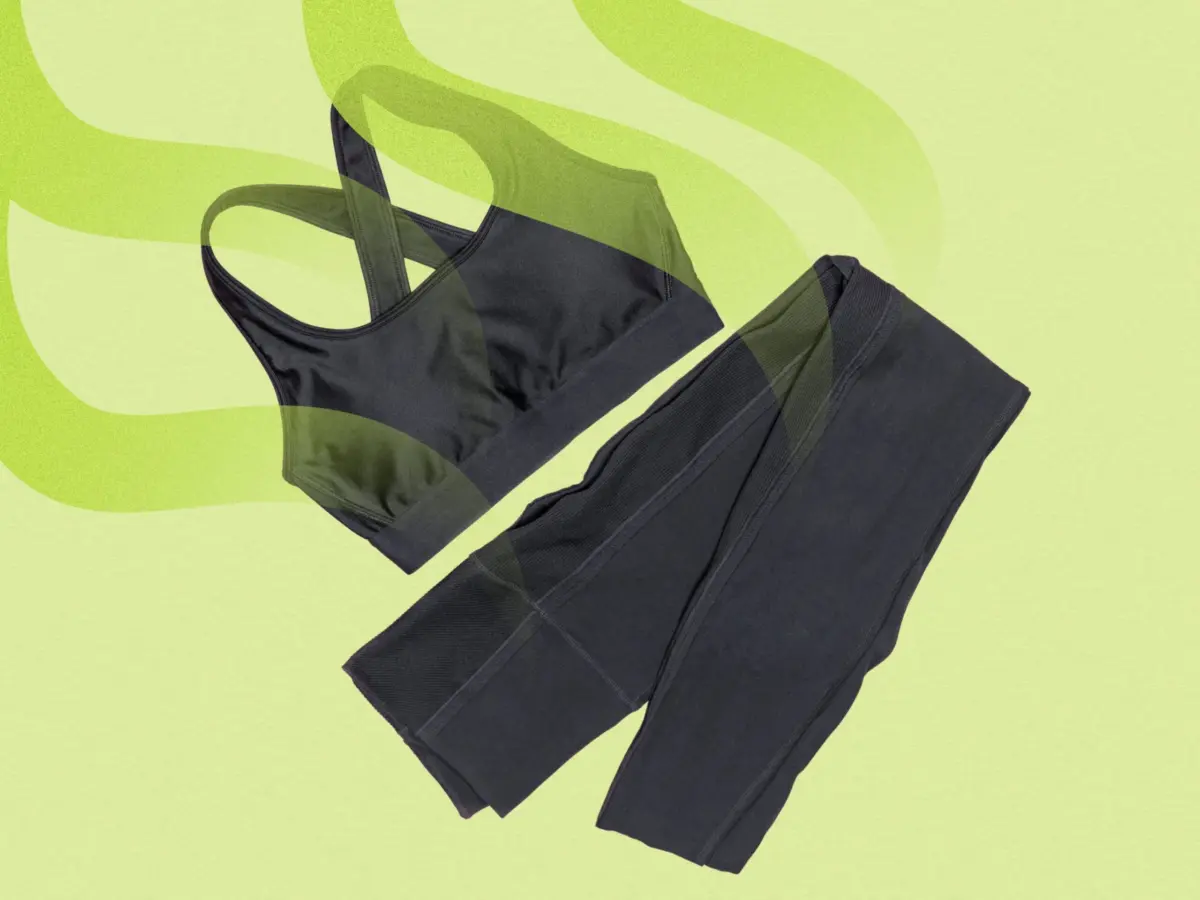
To find out whether reusing gym gear is a harmless habit or a skincare hazard, dermatologists and skin health experts are taking a closer look at the complex interplay between sweat, synthetic fabrics, and skin bacteria. While the logic of avoiding unnecessary laundry loads makes sense on paper, the microscopic reality happening inside your favorite leggings and sports bras tells a slightly different story.
The Real Concern Is Sweat, Bacteria, and Acne
On its own, human sweat is remarkably innocuous. It is largely composed of water, salt, and trace amounts of other minerals, and in its pure state, it is virtually odorless. However, the moment that moisture makes contact with the skin, everything changes. Sweat immediately mingles with the naturally occurring microbiome of bacteria that permanently resides on the human body. When this mixture of sweat and bacteria is absorbed into the fibers of your activewear, a chemical transformation occurs. This is the exact moment when clothing begins to develop unpleasant odors and starts posing a potential threat to skin health.
The primary danger does not necessarily come from the sweat itself, but rather from keeping damp, contaminated clothing pressed against the skin for extended periods after a physical exertion session.
According to Dr. Brianna Olamiju, a board-certified dermatologist based in New York City, the duration of contact is a critical factor in how your skin reacts. The longer bacteria remains trapped against the epidermal barrier in a warm, moist environment, the higher the likelihood that it will trigger adverse reactions.
Dr. Olamiju notes that the most common consequence of this exposure is acne. Many patients who visit dermatology clinics with persistent breakouts on their chest, back, or shoulders are frequent gym-goers. Often, these individuals finish an intense workout and transition directly into social activities, running errands, or meeting friends for brunch without immediately changing their clothes or washing their skin. The trapped moisture and proliferating bacteria create an ideal breeding ground for follicular inflammation and blemishes.
For those hoping that letting clothes air out overnight might reset the hygiene clock, dermatologists offer a sobering reality check. Even if you remove your activewear, let it dry completely, and put it back on the next day, the bacteria do not simply vanish into thin air. Residual microorganisms from the previous session remain embedded within the fabric weave. When reworn, those lingering bacteria are reintroduced to the skin, where they can quickly multiply, generate noticeable odors, and continue to provoke breakouts, folliculitis, or general skin irritation.
It Depends on Your Workout and Your Activewear
While the absolute gold standard of dermatological advice is to wash every piece of activewear immediately after a single use, experts acknowledge that real life involves a certain amount of nuance. Not all workouts are created equal when it comes to the volume of sweat produced and the corresponding risk to skin health. High-intensity cardiovascular training sessions—such as long-distance running, heated yoga classes, or rigorous indoor cycling—induce profuse sweating and saturate garments completely. These types of activities undoubtedly demand a fresh set of clothing for the next routine.
High-intensity cardio places individuals at a substantially higher risk for sweat-induced acne and skin irritation because the sheer volume of moisture creates a deeper, more sustained contact between bacteria and the skin. Conversely, lower-intensity movement practices, such as gentle Pilates, leisurely walking, or restorative yoga, generate significantly less perspiration. Because individual physiology varies widely—with some people naturally perspiring far more than others—the risk exists on a broad spectrum rather than a rigid binary.
Beyond the intensity of the exercise itself, the specific type of garment being worn plays a massive role in hygiene outcomes. Dr. Olamiju emphasizes that certain items require strict washing protocols regardless of how light the workout felt. For women, changing sports bras after every single use is considered essential. While an outer shirt or loose pair of shorts might occasionally be forgiven for a second wear following a very light activity, the sports bra and underwear sit directly against areas with high concentrations of sweat glands and friction, making them prime territory for bacterial accumulation.
Furthermore, the textile composition of modern activewear heavily influences how clothes retain moisture and harbor microbes. The vast majority of contemporary athletic clothing is manufactured from synthetic materials, most notably polyester. While synthetic fibers are prized for their durability, stretch, and moisture-wicking properties, they also tend to trap sweat and oils within their micro-structures much more stubbornly than natural fibers. On the other hand, natural fabrics like cotton are significantly more breathable and pose fewer risks if someone chooses to reuse them between washes, though finding 100% cotton high-performance activewear can present a practical challenge in today’s synthetic-dominated market.
Hygiene Tips for Workout Wear
Navigating the balance between environmental sustainability, laundry fatigue, and optimal dermatological health ultimately comes down to personal discretion balanced with an awareness of bodily comfort. While the textbook dermatologist’s answer will always advocate for washing every garment after a single use, experts recognize that people must weigh their own comfort levels, skin tendencies, and lifestyle constraints.
When individuals consciously decide to stretch the lifespan of their workout gear between laundry days, implementing smart hygiene habits can dramatically mitigate the risks. Paying close attention to which specific items touched the skin most intimately, allowing garments to dry completely in a well-ventilated space rather than crumpling them into a damp gym bag, and remaining vigilant about early signs of skin irritation or body acne are all practical ways to manage the habit safely.
Ultimately, while nobody needs to experience crippling anxiety over occasionally rewearing a pair of leggings after a gentle fifteen-minute indoor ride, treating activewear with a healthy respect for skin biology is essential. When in doubt, erring on the side of freshness ensures that your skin remains clear, healthy, and comfortable over the long term.