
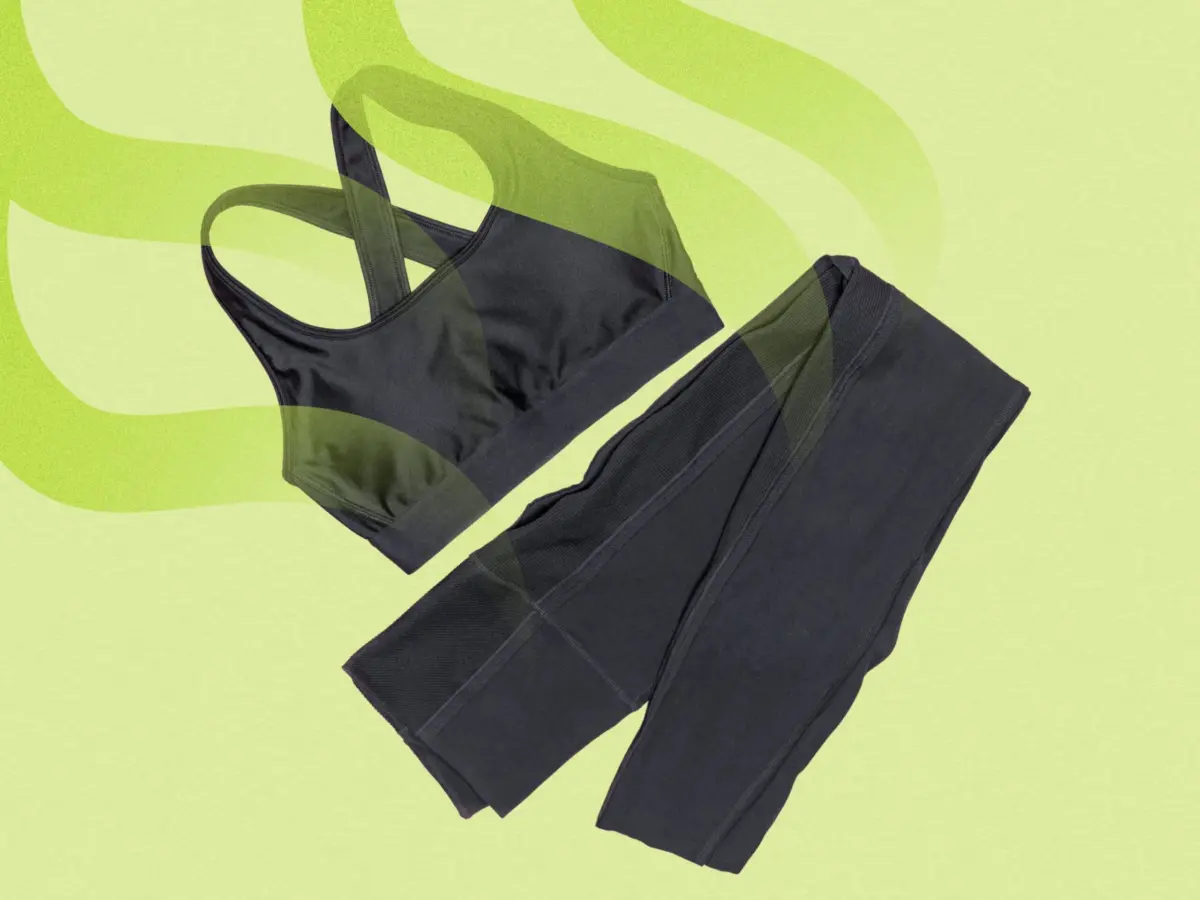
However, this everyday lifestyle shortcut—often justified by informal "girl math" logic—raises an important question regarding personal hygiene and dermatological health. To determine whether stretching the lifespan of gym wear between laundry cycles poses a genuine threat to the skin, experts are weighing in on the microscopic realities of sweat, fabrics, and bacterial accumulation. While the urge to save time, water, and detergent is completely understandable, understanding how skin interacts with used activewear can help prevent stubborn breakouts and unwanted body odor.
The Real Concern Is Sweat, Bacteria, and Acne
On its own, human sweat is remarkably unremarkable. It is largely composed of water, electrolytes, and trace amounts of metabolic waste, and in its pure state, it is virtually odorless and relatively harmless to the skin. The transformation occurs when perspiration meets the complex ecosystem of microorganisms that naturally live on the human body. When sweat combines with these resident skin bacteria and is subsequently absorbed into the weave of athletic textiles, a chemical reaction takes place. This interaction is the primary culprit behind the familiar, unappealing odors associated with worn gym clothes and the subsequent skin irritation that many active individuals experience.
The core issue intensifies significantly when people remain in their damp workout garments for extended periods after physical activity concludes. Whether running errands immediately following a gym session, stopping for brunch with friends, or simply lounging around the house in post-workout gear, the prolonged contact time creates an ideal environment for bacterial proliferation.
According to Brianna Olamiju, MD, FAAD, a board-certified dermatologist based in New York, the duration of exposure is a critical factor in determining whether skin issues will develop. The longer bacteria remain trapped against the skin inside tight, moisture-retaining fabrics, the higher the likelihood that they will transition from a benign presence to a harmful irritant.
Dr. Olamiju notes that this environment frequently gives rise to mechanical and bacterial breakouts, particularly on areas prone to occlusion like the chest and back. She routinely treats patients who maintain rigorous fitness schedules but find themselves battling persistent acne due to delays in changing out of workout apparel or showering after exertion.
Unfortunately for those hoping to bypass the laundry basket by letting worn garments air out overnight, the microscopic reality is unforgiving. Bacteria do not simply vanish into thin air once a garment dries. Residual microorganisms from a prior workout continue to linger within the fibers of the fabric. When those garments are put back on the following day, the reactivated bacteria are reintroduced to the skin, bringing with them a heightened risk of unpleasant odors, new blemishes, and localized dermatological irritation.
It Depends on Your Workout—and Your Activewear
Despite the resilience of bacteria, dermatological experts acknowledge that the "reuse" hypothesis holds a grain of truth. Not all physical activities place the same demands on the body, meaning the physiological impact on both skin and clothing varies drastically depending on the nature of the exercise. High-intensity cardiovascular routines—such as long-distance running, heated yoga classes, or vigorous indoor cycling sessions—provoke a massive sweat response, making those specific garments prime candidates for an immediate trip to the washing machine.
High-intensity cardio sessions generate a high volume of perspiration, which exponentially increases the risk of clogged pores and subsequent acne flare-ups. Conversely, lower-intensity modalities such as restorative yoga, gentle stretching, Pilates, or casual walking place a much lower demand on the body’s cooling mechanisms. Because individual sweat rates exist on a wide biological spectrum, the potential for skin complications during low-impact movement remains notably lower, though personal physiology still plays a defining role.
Beyond the intensity of the workout itself, the specific design and composition of the activewear play a critical supporting role in skin health. When evaluating which items can safely tolerate a second wear and which demand immediate laundering, dermatologists emphasize that certain garments are far more prone to retaining trapped moisture and odor than others.
For women, changing supportive undergarments and sports bras after every physical exertion is considered essential. While an outer t-shirt or loose top might occasionally be deemed acceptable for a repeat wear under specific low-sweat conditions, tight-fitting items that sit directly against high-perspiration zones—such as sports bras and athletic underwear—accumulate the highest concentrations of sweat, skin cells, and bacteria.
Furthermore, the textile industry’s heavy reliance on synthetic materials introduces another layer of complexity. The vast majority of modern activewear is crafted from synthetic fibers like polyester and nylon. While these materials excel at durability and moisture-wicking during a workout, they are fundamentally designed to trap moisture close to the skin rather than absorb and release it into the open air. In contrast, natural fibers like cotton offer significantly higher breathability and present a lower overall risk when clothing is worn multiple times. However, finding high-performance activewear crafted entirely from cotton remains difficult, as cotton tends to absorb moisture and stay heavy rather than performance-wicking.
Hygiene Tips for Workout Wear
Navigating the balance between practical household efficiency and optimal dermatological health ultimately comes down to understanding personal comfort and hygiene thresholds. From a purely clinical perspective, the ideal medical recommendation is straightforward and uncompromising: activewear should be thoroughly washed after every single workout without exception.
However, dermatologists recognize that real-world behavior involves nuance. Individuals are encouraged to exercise their own discretion based on how fresh or comfortable they feel in their garments post-exercise, weighing the intensity of their movement against the physical sensations of dampness and odor.
While washing after every single use remains the gold standard for maintaining clear, blemish-free skin, there is undeniably some margin for flexibility depending on individual perspiration levels and post-workout habits. For those who choose to occasionally extend the life of their athletic gear between laundry cycles, exercising mindfulness regarding garment selection, ensuring proper drying techniques between wears, and remaining vigilant about any emerging skin sensitivity can mitigate potential risks.
Ultimately, striving for perfection in laundry routines is unnecessary, but adopting informed habits regarding gym wear hygiene goes a long way toward protecting the skin’s natural barrier. When uncertainty arises regarding whether a favorite pair of leggings or a slightly worn top is fit for another round, erring on the side of freshness is always the safest choice—and your skin will undoubtedly thank you for it.