Malware Disguised as iPhone Preorder Portals
Soon after Apple officially announced the iPhone Duo, sophisticated threat actors wasted no time deploying malicious infrastructure. Security researchers identified numerous fraudulent preorder pages meticulously designed to mimic Apple’s official website. These deceptive portals lure prospective buyers by promising enticing incentives, such as a $500 discount voucher and complimentary AppleCare+ coverage, in exchange for basic contact information.
However, security analysis reveals that submitting a web form is not even the primary objective of the scheme. According to threat intelligence reports from Malwarebytes, simply visiting and loading the malicious webpage can automatically trigger an attack. The exploit leverages vulnerabilities utilizing the DarkSword exploit chain, a mechanism engineered to bypass standard iPhone security protections. Once executed, the malicious payload can quietly gain unauthorized access to sensitive device contents, including cryptocurrency wallets, personal messages, contact lists, email archives, calendar entries, and precise location data.
Security analysts note that this specific campaign has primarily targeted Apple devices operating on older software iterations, specifically iPhones running iOS versions 18.4 through 18.6.2. Fortunately, Apple has confirmed that hardware running contemporary software builds, spanning from iOS 15 through iOS 26, possesses native protections capable of neutralizing the exploit. Consequently, users who maintain up-to-date software configurations face minimal risk from this particular vector. Despite these safeguards, cybersecurity specialists emphasize that consumers should exercise extreme caution when encountering unsolicited links, social media advertisements, or third-party websites claiming to offer accelerated access or discounted pricing for the iPhone Duo. Trusted procurement channels remain restricted to Apple’s official retail platforms and authorized major telecommunications carriers.
Fraudulent Credit Card Charges for the iPhone Duo
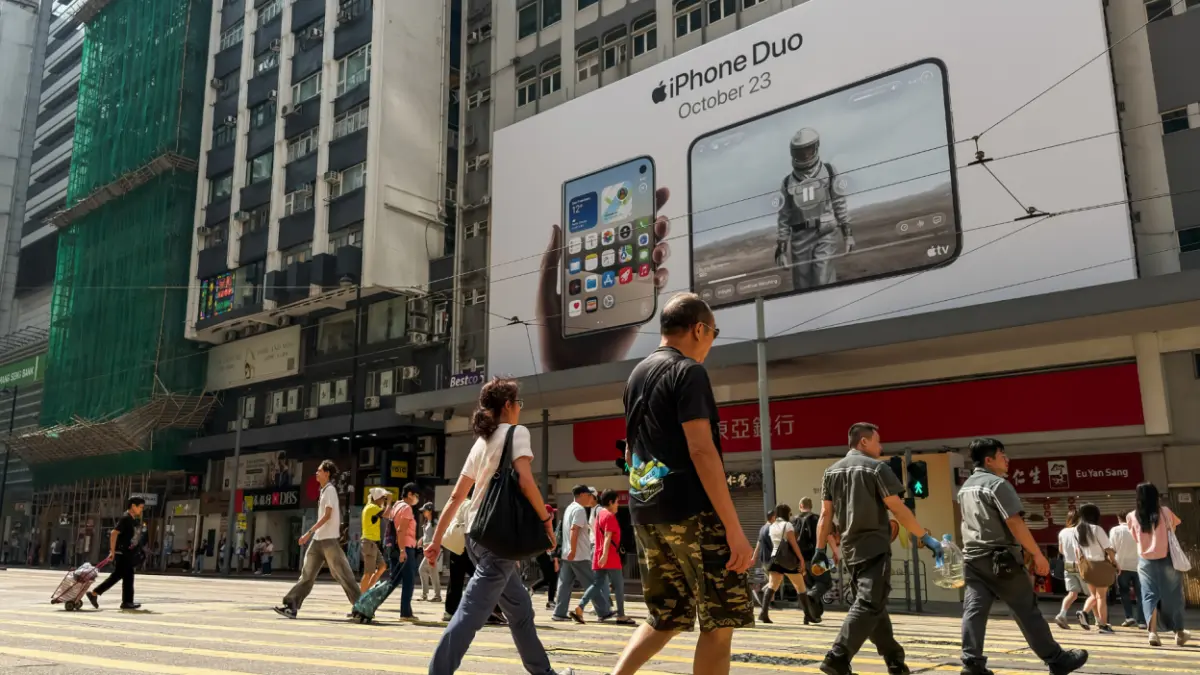
Beyond direct malware deployment via spoofed websites, financial fraud surrounding the device launch has begun to emerge on an international scale. Recent reports from law enforcement and news outlets in regions such as Hong Kong highlight a sharp surge in suspicious financial activity, with credit card fraud reports jumping significantly following the opening of preorders.

Many unsuspecting consumers have discovered unexpected, unauthorized transactions originating from Apple appearing directly on their bank and credit card statements. Intriguingly, these charges have materialized even among individuals who made no attempt to purchase the iPhone Duo or participate in the preorder queue. Financial investigators attribute these unauthorized transactions to opportunistic cybercriminals who previously harvested stolen credit card credentials through historical data leaks, phishing operations, or credential-stuffing campaigns. Armed with this compromised financial data, fraudsters are attempting to leverage the chaotic preorder rush to slip unauthorized hardware purchases past automated fraud detection systems.
While financial institutions indicate that this particular wave of fraudulent transactions has not yet reached epidemic proportions, experts advise cardholders to scrutinize their monthly statements and digital banking portals with heightened frequency. Given the persistent vulnerability of personal data in modern digital ecosystems, catching unauthorized activity early is critical. Financial advisors recommend that anyone discovering unrecognized charges or suspicious duplicate billing immediately contact their issuing bank or credit card provider utilizing verified contact methods retrieved directly from official banking applications or secure customer portals.
Calls from Scammers Spoofing Trusted Brands
The exploitation of the iPhone Duo launch does not stop at automated malware distribution and unauthorized credit card billing; scammers are also deploying social engineering tactics via direct telephone communication. Threat actors frequently take the threat of fraudulent financial activity a step further by proactively contacting potential victims.
During these deceptive phone calls, fraudsters impersonate fraud detection representatives from major financial institutions or trusted tech brands. They manufacture a false sense of urgency by claiming that suspicious transactions have been flagged on the victim’s account, offering immediate assistance to resolve the issue—provided the consumer willingly surrenders sensitive personal information, security codes, or account credentials.
In the context of the current product cycle, malicious actors are also placing calls while posing as representatives from Apple or authorized cellular service providers. These callers often claim that an existing preorder requires immediate verification of personal or billing details to prevent cancellation. Cybersecurity professionals consistently remind the public that any inbound communication designed to provoke fear, anxiety, or an immediate sense of urgency should be treated as a major red flag. When individuals receive unexpected inquiries regarding sensitive financial or device orders, the recommended protocol is to terminate the call immediately and dial back using an independently verified, official phone number to confirm the legitimacy of any claims.