
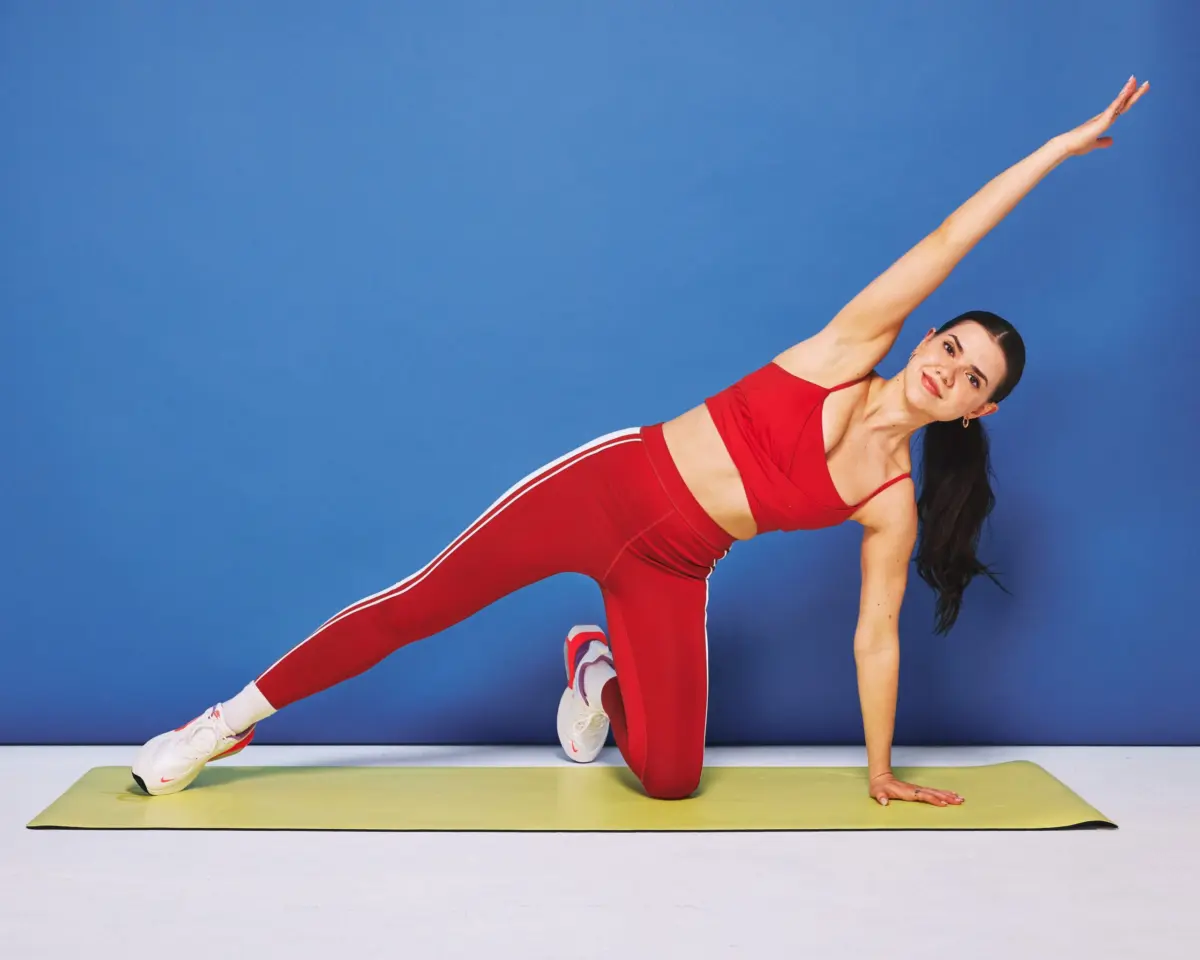

According to Cara Bonney, a certified strength and conditioning specialist and Club Pilates Master Trainer in Melbourne, Florida, low-impact cardio routines serve as an exceptionally smart choice for a broad demographic of individuals. This includes not only people managing pre-existing joint conditions or recovering from injuries, but also those who are entirely new to regular physical activity. Traditional high-impact activities like running, bounding, or plyometrics place a heavy mechanical load on the lower extremities and spine. In contrast, low-impact alternatives elevate the internal circulatory demands and get the blood pumping vigorously without subjecting the skeletal system to harsh mechanical pounding.
This reduction in joint stress translates directly to a lower overall risk of acute injury or chronic overuse issues. For individuals navigating limitations such as sensitive lower backs, cranky knees, or stiffness, high-impact routines often lead to frequent interruptions in training. By switching to joint-friendly alternatives, fitness enthusiasts can maintain a much higher degree of consistency in their exercise routines. Consistency remains one of the most critical variables for achieving long-term health outcomes, cardiovascular endurance, and overall physical wellness, making low-impact cardio a sustainable cornerstone of a lifelong fitness habit.

Beyond protecting vulnerable joints, low-impact modalities offer a less-discussed physiological advantage: they actively support and build bone density. Bone tissue responds and adapts to mechanical stress by remodeling and growing stronger, a process triggered when the skeleton experiences weight-bearing forces. While high-impact exercises are traditionally lauded for preventing or improving conditions like osteoporosis, Bonney notes that high impact is not a strict requirement for bone health. As long as an exercise maintains continuous contact with the ground while exerting physical force through the limbs, the bones still experience the necessary mechanical stress to stimulate growth and fortification.
When measured against entirely non-weight-bearing forms of movement—such as cycling or swimming, where the body is supported by water or a saddle—low-impact, ground-contact exercises deliver crucial bone-boosting benefits. This places low-impact cardio in a highly advantageous middle ground, offering the skeletal stimulation of weight-bearing activity combined with the joint-protective nature of controlled, grounded movements.

How to Level Up Bodyweight Moves Without the Joint Pain
For those accustomed to high-intensity interval training or plyometrics, a central question naturally arises: how can a simple bodyweight exercise qualify as true cardio if running and jumping are entirely off the table? Fitness professionals point to several biomechanical strategies that bridge this gap, starting with the recruitment of large muscle groups through compound or combination movements. By deliberately incorporating sweeping arm movements alongside lower-body exercises—such as adding an overhead reach to a standard bodyweight squat, or coordinating broad arm swings with high-knee marches—exercisers can fundamentally alter their circulatory response.

This full-body coordination forces blood to circulate dynamically throughout the entire physique rather than remaining isolated in the lower half. The cardiovascular system must respond to this widespread muscular demand by working harder to deliver oxygen, which naturally drives up the heart rate. By engaging the upper and lower body simultaneously, practitioners can generate an intense cardiovascular response without ever leaving the floor.
Along those same lines, fitness experts recommend modifying classic high-impact cardio drills to tone down the intensity on the joints while still challenging the cardiovascular system. For instance, the traditional burpee—a staple of high-intensity training—can be performed safely as a low-impact exercise by stepping the feet backward and forward one at a time, entirely eliminating the explosive jump. Similarly, jumping jacks can be adapted by tapping one foot out to the side alternately, preserving the rhythmic tempo of the movement while removing the vertical impact forces that stress the knees and ankles.

Another highly effective strategy involves adding dynamic movement to traditional planks. Because the plank is already an advanced, full-body stabilization exercise that recruits the core, shoulders, and legs, it naturally demands significant energy from the heart and lungs. Trainers suggest building on this foundation by introducing alternate shoulder taps to increase the upper-body and core stability challenge. Practitioners can also weave in twisting knee drives to actively engage the obliques, or incorporate lateral walking motions to test balance and coordination. Because these variations require numerous muscle groups to fire continuously at the same time, the cardiovascular and respiratory systems must accelerate their efforts to sustain the movement.
Change Up the Tempo to Increase Intensity

Beyond modifying exercise mechanics and engaging full-body muscle chains, the pace and structure of a workout play a decisive role in elevating cardiovascular demand. By deliberately increasing the speed at which a low-impact exercise is performed—provided that proper form and alignment are rigorously maintained—exercisers can keep blood flowing rapidly and continuously tax their aerobic systems. The overall program design matters just as much as the individual movements; structuring a routine to feature longer work intervals paired with shorter rest periods transforms a collection of simple bodyweight exercises into a formidable conditioning session.
These principles allow for an expansive catalog of low-impact cardio exercises that require zero specialized equipment, making them accessible for anyone seeking a quick, heart-pumping challenge at home. Fitness professionals suggest treating these movements as a flexible library: individuals can experiment with a wide variety of exercises or select their preferred variations to string together into a cohesive, sweaty, and joint-friendly routine designed to elevate the heart rate while protecting the hips, knees, and ankles.