An eSIM is a digital SIM card built directly into a smartphone’s hardware, eliminating the need to physically insert or swap plastic cards. Users activate a plan remotely by scanning a QR code or installing the software through a mobile application, enabling connectivity within minutes. Because the technology is entirely software-based, modern smartphones can store multiple eSIM profiles simultaneously, allowing travelers to switch between a home carrier number and international data packages without physically handling the device.
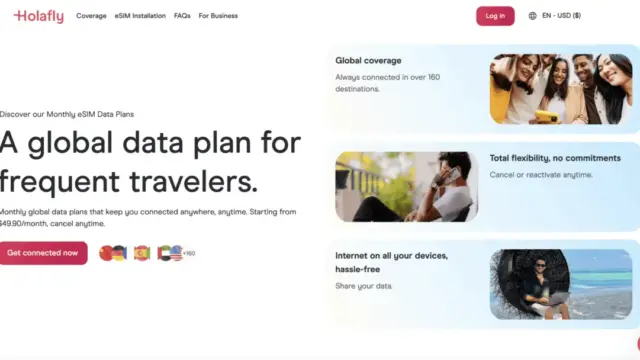
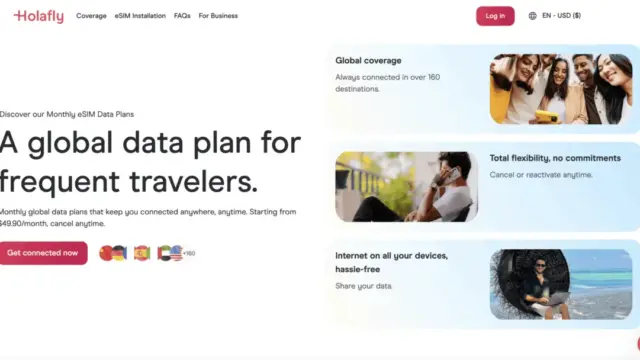
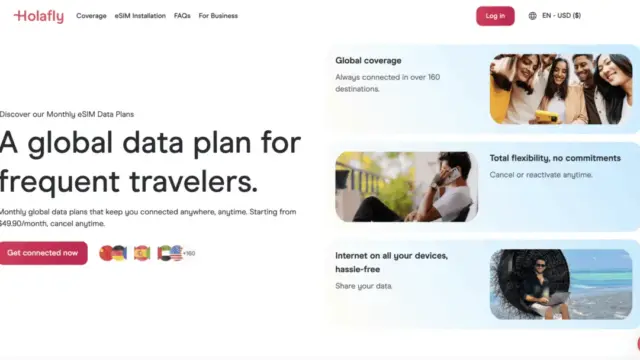
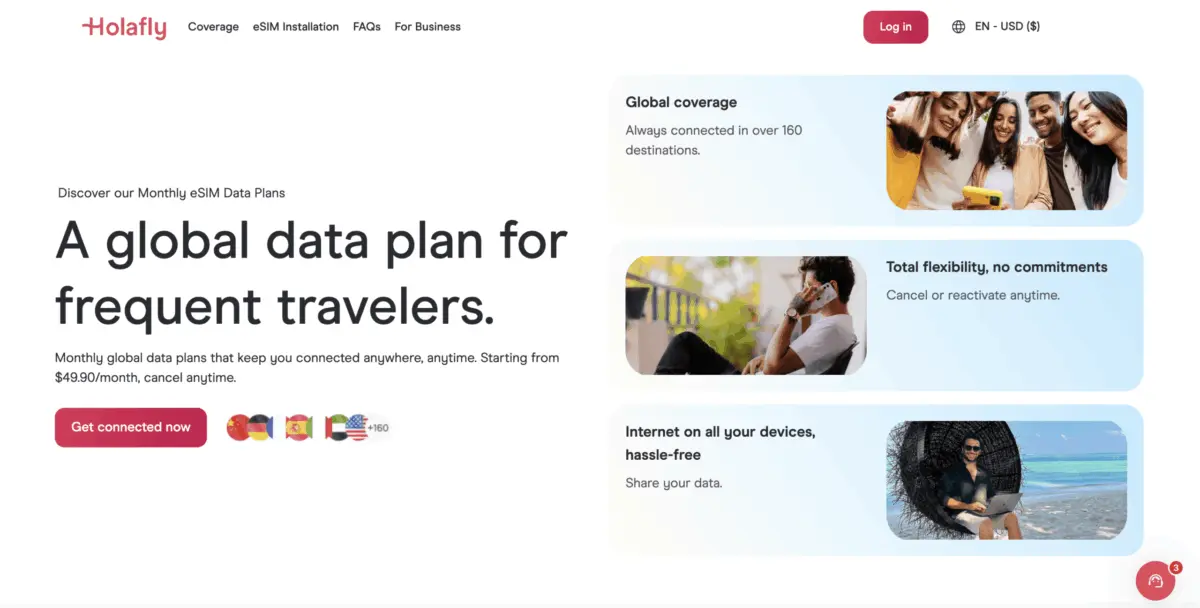
While traditional eSIM providers typically cater to short-term vacations by offering fixed-duration packages tied to specific countries or regions, the newly introduced subscription service provides a unified connectivity solution that functions seamlessly across international borders. Subscribers purchase the plan once and install a single eSIM profile that automatically re-establishes a network connection upon arrival in a new country, removing the need to search for new QR codes, purchase regional data packages, or swap SIM cards when changing itineraries.

The service is structured around two distinct tiers: a Light Plan and an Unlimited Plan. Both options operate on a monthly, quarterly, or annual billing cycle with no long-term service contracts, permitting subscribers to cancel their coverage at any time. Quarterly payment structures offer an approximate ten percent savings, while annual subscriptions reduce overall costs by roughly fifteen percent.
The Unlimited Plan provides unthrottled data allowances alongside an unrestricted mobile hotspot capability, enabling users to tether laptops and other devices while traveling. This tier is specifically tailored for remote professionals, content creators, and heavy data users who require continuous high-speed connectivity for video conferencing, media uploads, and intensive online tasks. Additionally, the Unlimited tier includes a local telephone number originating from the United States, Canada, or the United Kingdom, allowing subscribers to receive incoming text messages while abroad.
The Light Plan supplies a fixed allowance of twenty-five gigabytes of high-speed data per month while maintaining the same multi-destination coverage and mobile hotspot functionality. This alternative is designed for travelers whose digital consumption focuses primarily on navigation tools, messaging applications, and occasional web browsing.
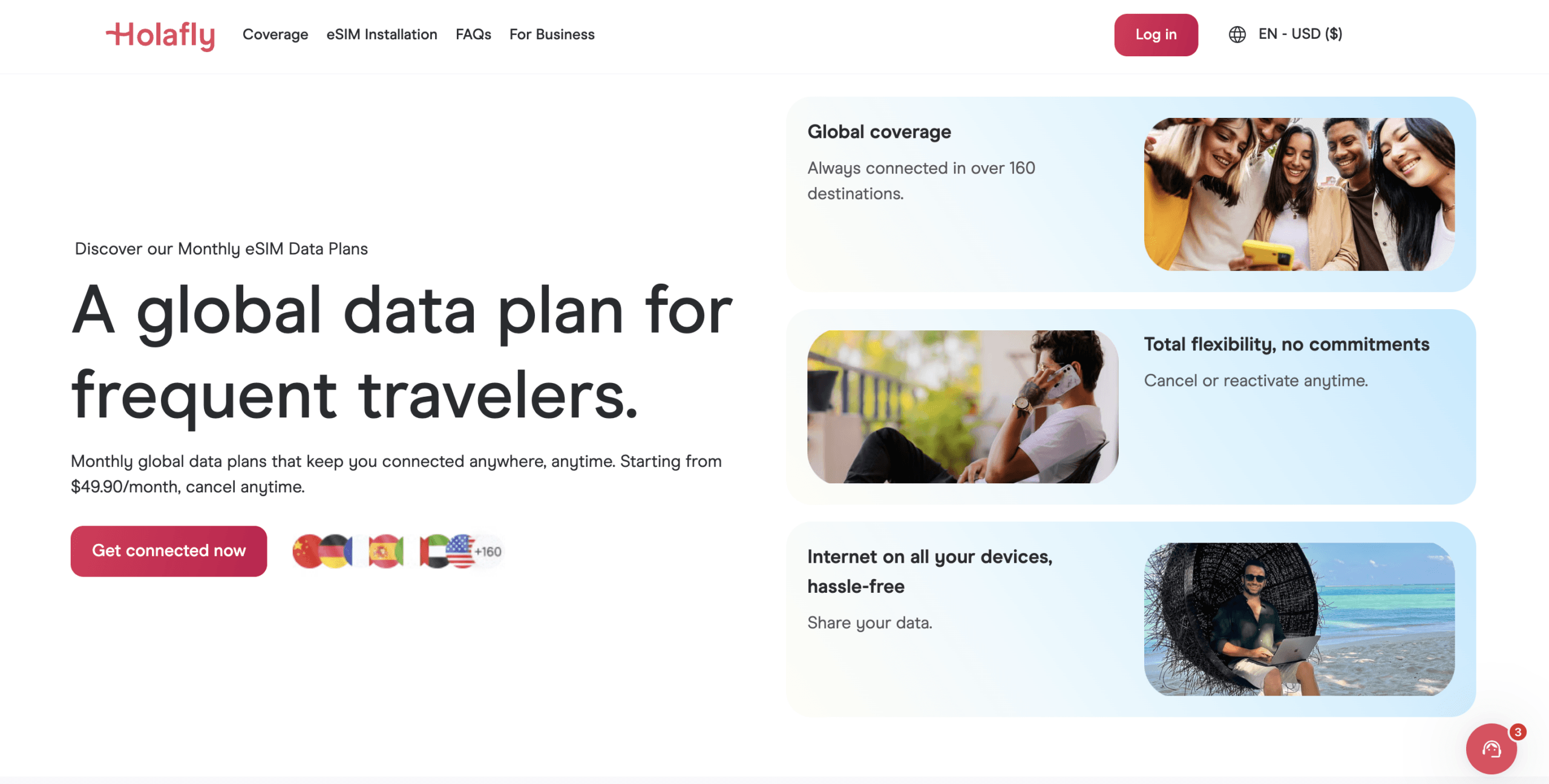
Both subscription tiers incorporate an automated backup feature known as "Always On." Once a plan is activated, users receive one gigabyte of backup data every month for life, ensuring a minimal level of connectivity even if the subscriber eventually chooses to terminate the primary subscription. Furthermore, subscribers benefit from round-the-clock technical support services designed to address connectivity issues during international transit.
Pricing for the subscription service varies depending on the chosen billing duration and regional currency markets, though benchmark rates for the unlimited tier average approximately fifty-five to sixty-five dollars per month. Industry analysts note that this global subscription model undercuts the international roaming fees charged by major domestic mobile carriers, which frequently implement high daily add-on charges or stringent data thresholds for overseas usage. Traditional major carrier international passes can accumulate substantial monthly expenses for travelers who remain outside their home countries for extended periods.
In contrast, single-destination classic eSIMs remain an efficient alternative for consumers taking isolated, short-term trips of a week or two. For travelers embarking on a limited number of vacations each year, purchasing a localized, one-off eSIM package remains the most cost-effective and straightforward approach. However, for individuals who spend a significant portion of the year moving fluidly between multiple countries, standing global subscriptions provide a centralized billing and connectivity framework that replaces fragmented regional purchases.
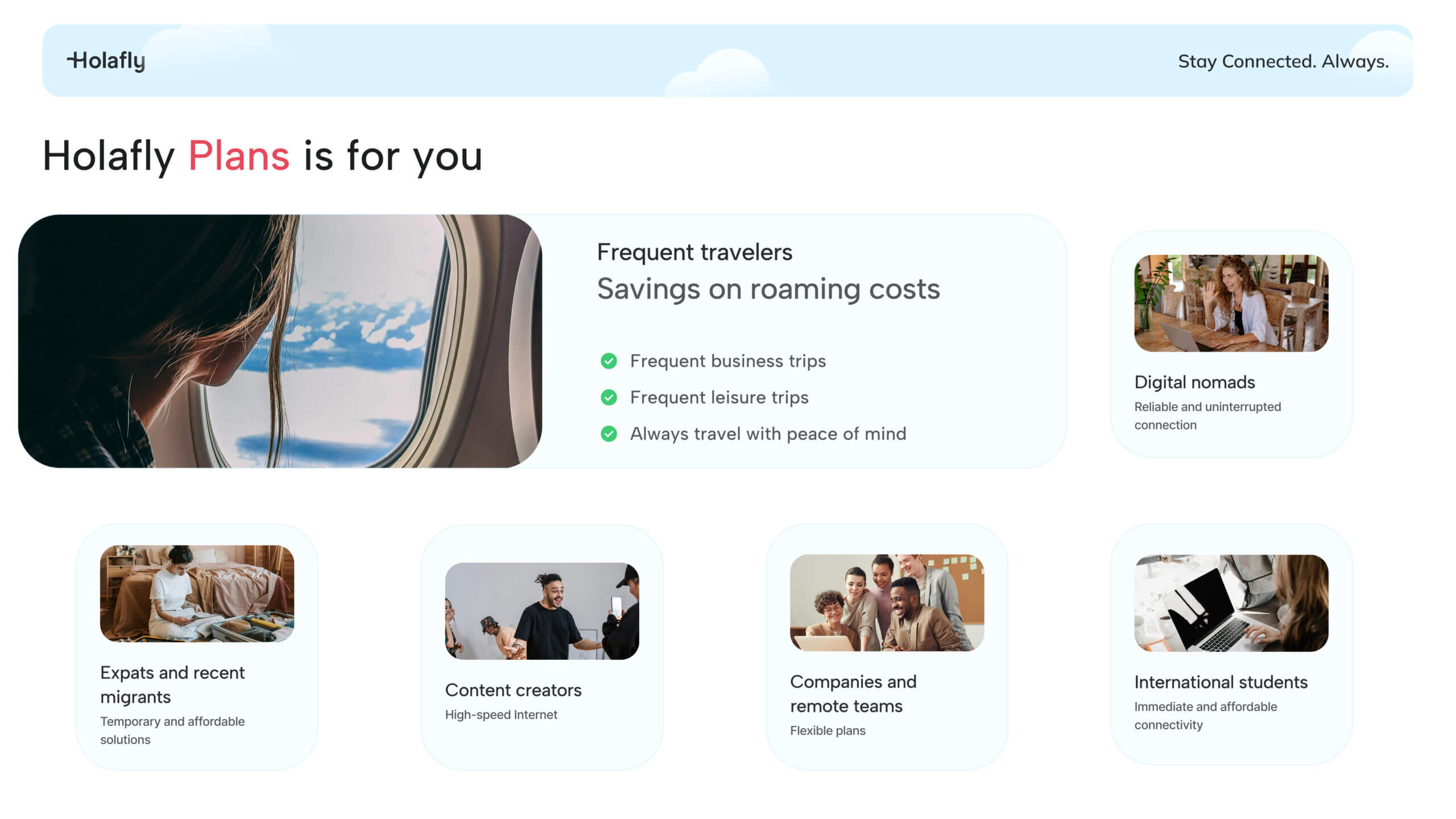
The introduction of subscription-based global data solutions reflects broader shifts in the telecommunications and travel sectors, as remote work flexibility drives demand for continuous, borderless infrastructure. By streamlining multi-destination connectivity into a single recurring service, companies like Holafly are capturing a growing market segment of global citizens seeking alternatives to traditional domestic carrier roaming agreements.