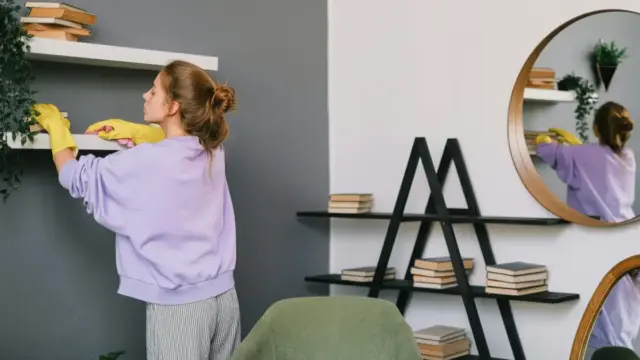
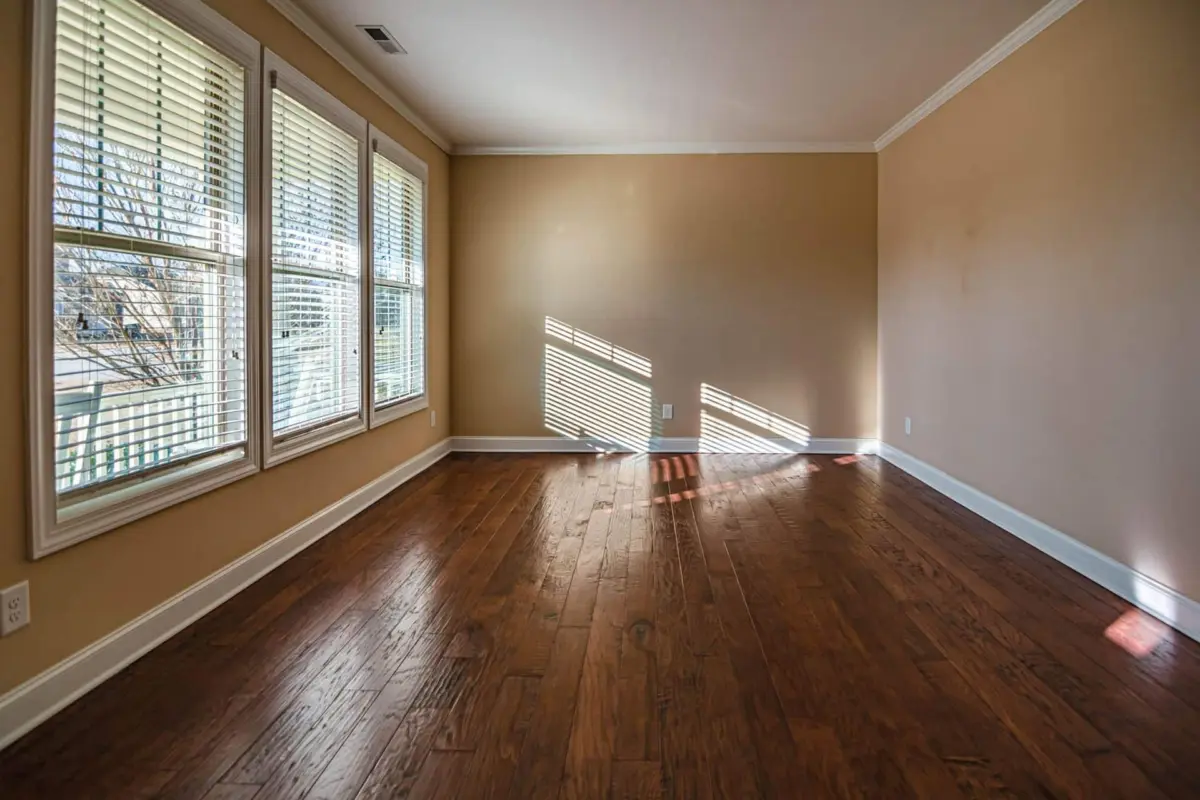
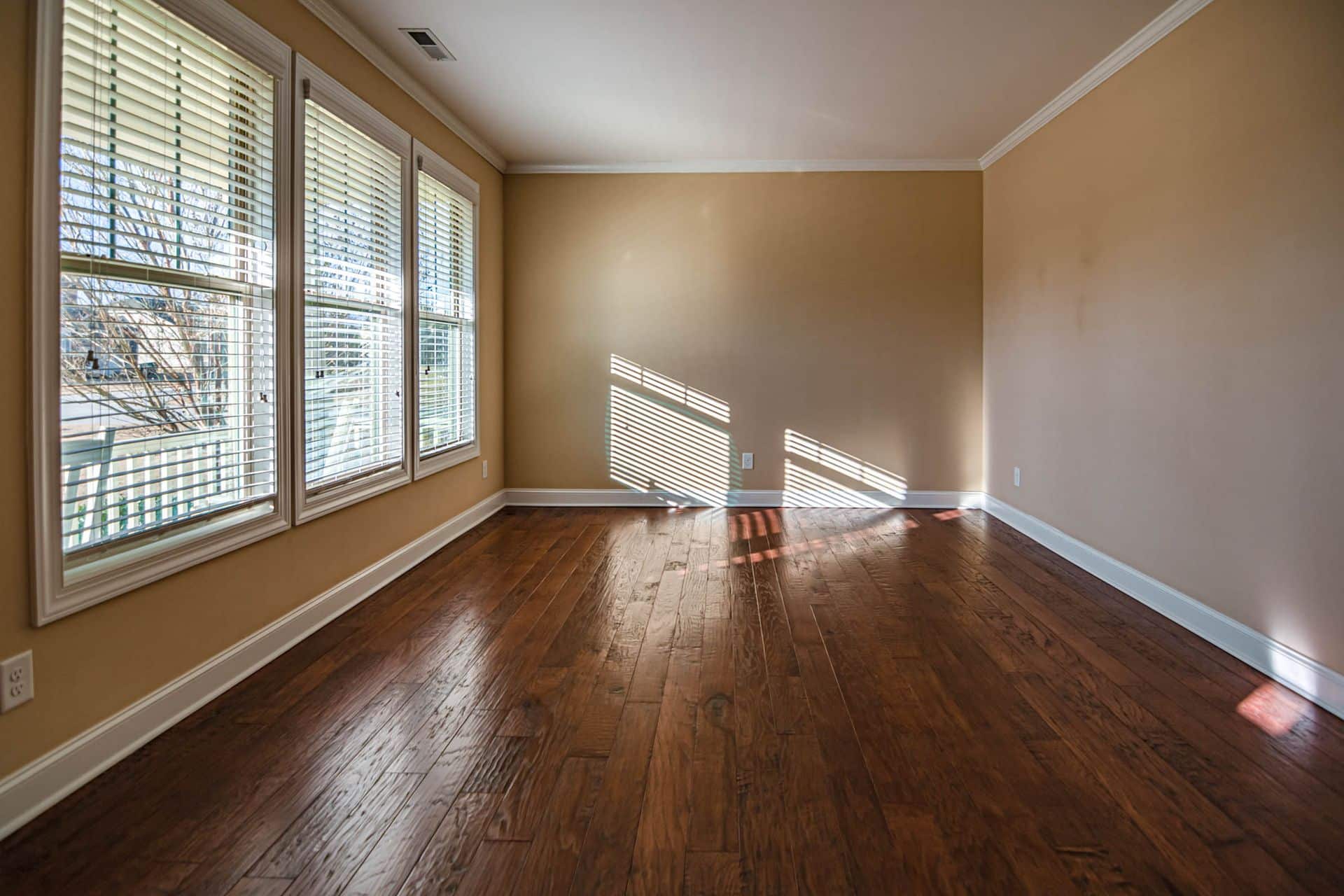
The transition was designed to be as stark and simple as possible. Renting a sparsely furnished apartment equipped with only minimal stock furniture, she spent her first afternoon unpacking the tiny fraction of belongings she had brought along, distributing her sparse possessions across the unfamiliar rooms. This sudden immersion into a stripped-down, spare living space offered unexpected insights into the psychological and physical realities of clutter and minimalism, providing a sharp contrast to her previous experiences living in a crowded home.
One of the first practical lessons emerged from the traditional amenities left behind in furnished rentals: hotel-sized portions of everyday consumables. Having traveled with her own toiletries and cleaning supplies, Mia found herself in possession of a collection of complimentary extras. In previous years, a lingering hoarding mentality might have prompted her to save these miniature items for an indefinite future occasion where small portions could conceivably prove useful. Instead, she chose a different approach, committing to using them up immediately. Recognizing that these products represented the lowest tier of quality and would never genuinely enrich her daily routine, she systematically consumed them, discarded the empty containers, and liberated valuable physical and mental real estate. The experience transformed her perspective on consumable decluttering, cementing her belief in the efficiency of exhausting what is already on hand before acquiring more.
The relocation also forced a creative rethinking of personal belongings for a confessed homebody unaccustomed to prolonged separation from her personal belongings. Rather than concealing her few cherished mementos inside drawers, she adopted a strategy of functional decor. Her colorful throw blanket was draped casually across the couch rather than neatly folded away out of sight, and her personal books were propped throughout the apartment instead of being stacked restrictively on a bedside table. By allowing everyday items to serve a dual purpose—providing both utility and aesthetic warmth—she was able to make the temporary, sterile apartment feel genuinely homey without introducing unnecessary or chaotic clutter.
This philosophy of intentional utility was further highlighted by a birthday gift from a visiting friend: a small wooden spoon. Managing sensory issues that made the sharp clinking of traditional silverware deeply distressing and occasionally nauseating, Mia had initially resorted to saving plastic takeout cutlery during her first days in the apartment to avoid the metal utensils provided with the rental. The arrival of the wooden spoon, perfectly sized and imbued with personal sentiment, offered an immediate solution. Paired with a simple set of chopsticks, the spoon rendered the remainder of the apartment’s utensil drawer entirely obsolete, reinforcing the principle that a single item serving its purpose perfectly brings far more value than a drawer full of unused alternatives.
Beyond the physical environment, the move radically restructured Mia’s social calendar and daily routine. Finding herself in a new city with only a handful of nearby acquaintances, her social life shrank considerably compared to her bustling schedule back home. While the absence of her core community was initially difficult to process, the resulting solitude proved remarkably energizing. Although she admits to an ongoing human contradiction—craving the constant company of loved ones while simultaneously thriving on mandatory alone time—the cleared-up schedule yielded unexpected dividends. Freed from complex social obligations and domestic upkeep, her daily life streamlined effortlessly. Morning gym walks became a seamless part of her routine, her temporary apartment remained consistently spotless, and she found herself investing significantly more time into preparing healthy meals.
The newfound mental space and absence of everyday distractions also allowed her to catch up substantially on professional endeavors, including the management of a business she acquired a few months prior. With her workload comfortably managed, she finally found the bandwidth to reflect on her journey and document her experiences. While she intends to reintegrate structured social activities and hobbies into her routine as her settlement in the city solidifies—including game nights with friends back home and returning to fight training now that her energy levels have rebounded—the period of intense solitude proved vital for her productivity and well-being.
Yet, the experiment also underscored how rapidly physical accumulation can occur, even in the most intentional of environments. Scarcely three weeks into her stay, the subtle threat of clutter had already begun to materialize. Following her recent birthday, new gifts brought into the apartment—ranging from sentimental items to a small trampoline positioned nearby—immediately claimed physical space. Similarly, a kitchen cabinet rapidly filled with saved plastic containers intended for food storage. Highlighting the natural economic and cultural flow of items into homes, particularly within the United States, she noted that without a deliberate and active counterflow moving items back out, clutter inevitably accumulates. This realization prompted her to re-engage with established passive decluttering strategies to keep the incoming tide of possessions firmly under control.
As for the core question driving the entire enterprise—whether the change of scenery successfully alleviated her chronic health concerns—the initial results offer genuine promise. For the first time in years, Mia has observed real, measurable improvements in her health, providing validation for the hypothesis that her previous home environment was a contributing factor. At the same time, the reality remains complex, as the positive health outcomes are tied to a temporary residence miles away from her permanent life. Navigating that reality is a challenge she plans to tackle using the mental clarity and space afforded by her minimalist experiment. For now, she continues to manage her temporary living situation, preparing for upcoming community projects like the planned holiday decluttering challenge while taking life one intentional step at a time.