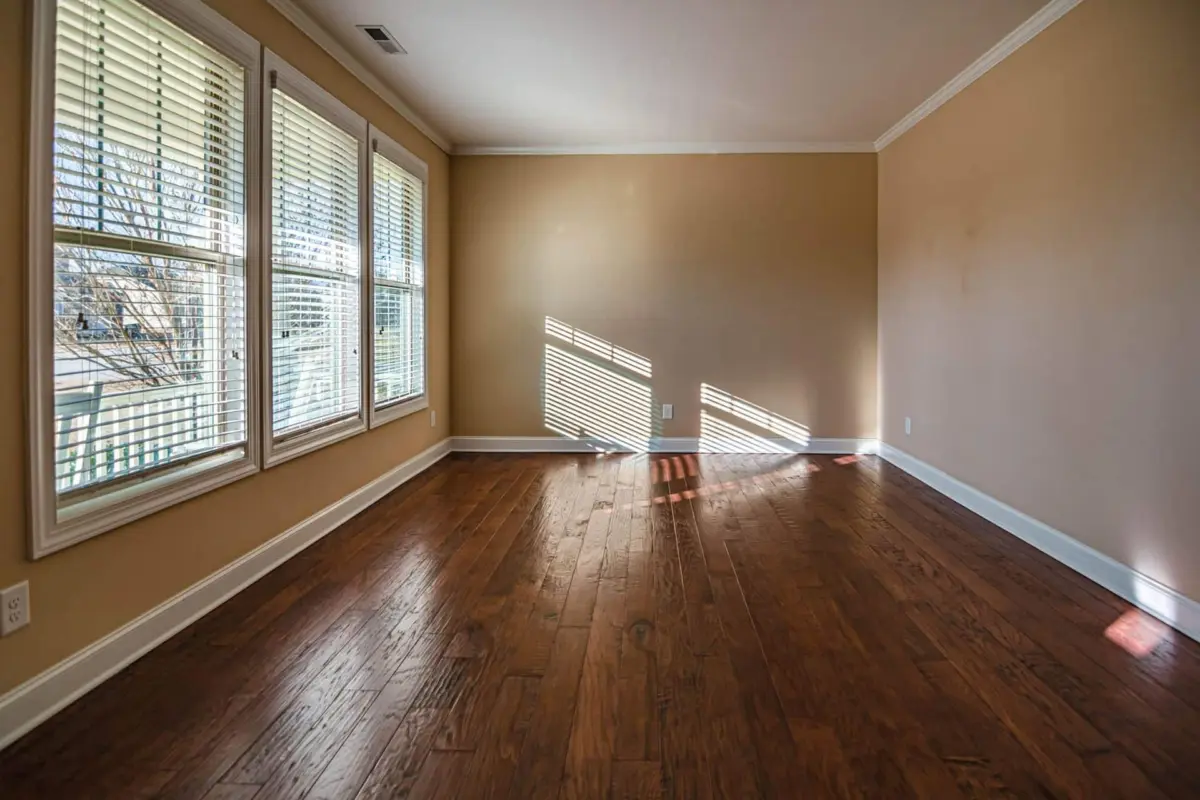
Arriving at her destination, Mia settled into a sparsely furnished apartment, bringing only what could fit within a minimal footprint. Living in a starkly bare environment quickly provided profound insights into the psychology of clutter, building directly on her past experiences with overloaded living spaces. As she adapted to her temporary surroundings, several practical and unexpected lessons about consumption, utility, and daily routines began to emerge.
Use It Up
Part of the standard furnished apartment experience involves inheriting hotel-sized portions of everyday convenience items. Having brought her own toiletries and cleaning supplies from home, Mia found herself staring at an assortment of complimentary trial-sized products that ordinarily would have triggered a hoarding mentality. In the past, the instinct would have been to save the tiny items for some hypothetical future scenario where miniature toiletries might prove useful.
Instead, Mia decided on a different approach: using them up immediately. Recognizing that these products were often the lowest tier of quality and would never genuinely enrich her life, she resolved to exhaust their supplies first. By actively using them up rather than stockpiling them, she discarded the empty containers swiftly, successfully reducing the physical and mental real estate occupied by unnecessary objects. This immersion cemented her belief in the power of deliberate, consumption-driven decluttering.
Functional Decor
As a self-described homebody, transitioning away from her familiar possessions proved to be a psychological challenge. To bridge the gap, she strategically displayed the few personal mementos she had brought along, draping a colorful throw blanket over the couch rather than tucking it neatly away, and propping her books throughout the living space instead of confining them to a bedside table.
Items that possessed a cozy, aesthetic quality were given prominent placement in plain view rather than being relegated to hidden drawers. While such an approach might risk appearing cluttered in a home overstaturated with possessions, within the context of a minimalist environment, these intentional touches successfully warmed up the sterile space. Styling with functional items allowed them to serve a dual purpose, bringing comfort to the room without introducing idle clutter.
The Value of Purposeful Tools
A birthday visit from a close friend introduced a new, highly specific item into Mia’s sparse kitchen: a small wooden spoon. Managing sensory issues that cause a severe aversion to the clinking sound of metal silverware—often inducing nausea—Mia had initially resorted to saving plastic takeout cutlery during her first days in the apartment to avoid using the supplied metal utensils.
The arrival of the wooden spoon provided an immediate, highly personalized solution. Because she sensory-wise relies exclusively on this spoon and a pair of chopsticks, the remainder of the apartment’s utensil drawer was rendered entirely obsolete. The experience reinforced the principle that owning a single item capable of serving its purpose perfectly brings far more value than maintaining a drawer full of mediocre alternatives, especially when the object carries sentimental resonance.
The Energy of Solitude
One of the most drastic shifts in Mia’s temporary lifestyle has been the intentional downsizing of her social calendar. While she has a few acquaintances nearby, her daily interactions pale in comparison to her bustling social life back home. Although initially viewed as a drawback given her deep affection for her friends, the quiet has proven remarkably energizing. Thriving on solitude despite an innate human desire for constant connection, she found that her simplified schedule transformed her daily routine.
Freed from complex social obligations and the demands of maintaining a large household, daily life became remarkably streamlined. Morning gym visits and workouts happen effortlessly, her temporary apartment remains perpetually spotless, and she has dedicated significantly more time to preparing wholesome, nourishing meals. Furthermore, having recently acquired a business, the resulting mental space and spare time allowed her to catch up on long-delayed administrative tasks and finally pen her reflections on the experiment. While plans remain in place to reintroduce social activities, game nights, and fight training now that she is settled, the period of extended solitude has proven profoundly productive.
The Rapid Accumulation of Clutter
Despite entering the space with virtually no possessions, Mia observed how quickly clutter attempts to re-establish itself. Within just three weeks of residence, the natural influx of items—accelerated by birthday gifts such as a small trampoline and an accumulation of saved plastic food storage containers—began to test the boundaries of her minimalist environment.
Noting that the natural economic and domestic flow of consumer life within the United States is persistently directed inward toward the home, she emphasized the necessity of creating an active counter-flow to prevent permanent accumulation. To combat this, she has reinstated her standard passive decluttering strategies, aiming to stay well ahead of the problem before physical disorder can take root.
Assessing the Experiment
As the three-month trial continues, the initial health results have provided encouraging news. For the first time in years, Mia has observed tangible improvements in her physical well-being, confirming her original suspicions while presenting the complex reality of needing to address her primary residence. With the newfound mental clarity afforded by her minimalist surroundings, she intends to work through these logistical challenges. As she prepares to launch upcoming community projects, including a holiday decluttering challenge, the temporary experiment has laid a solid foundation for her future lifestyle decisions.