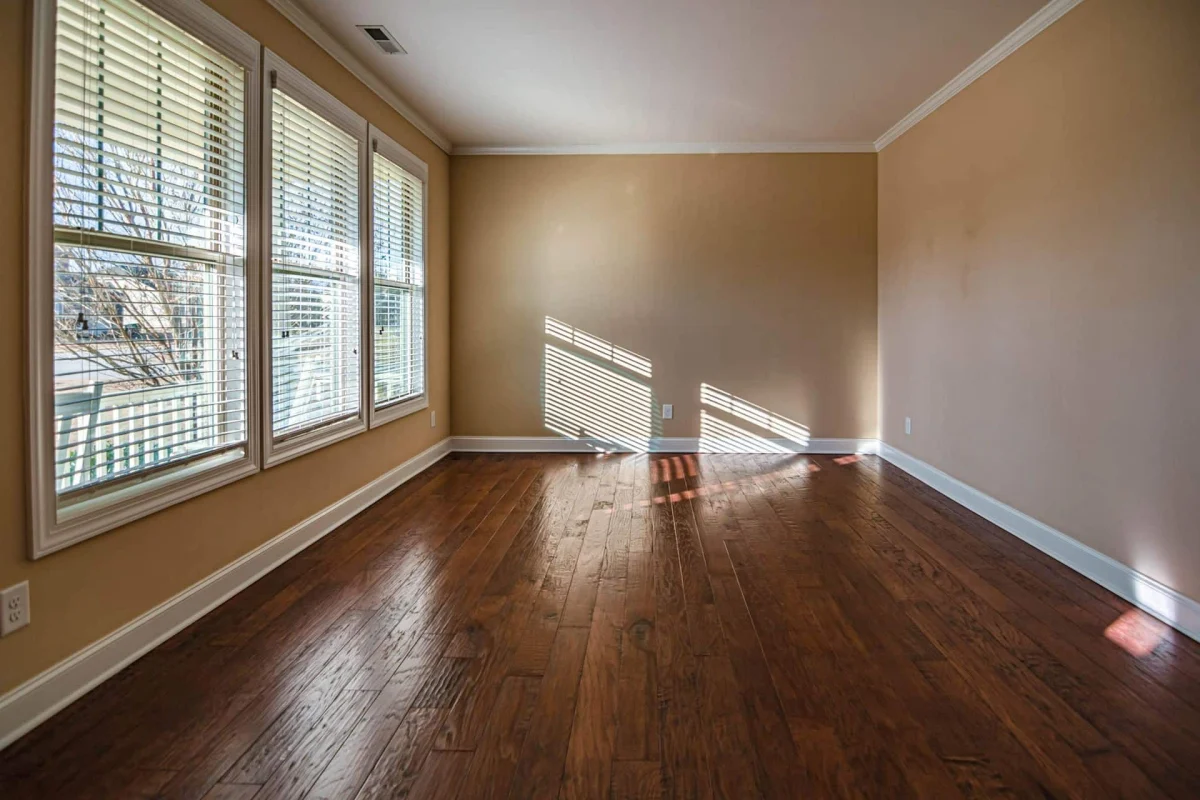
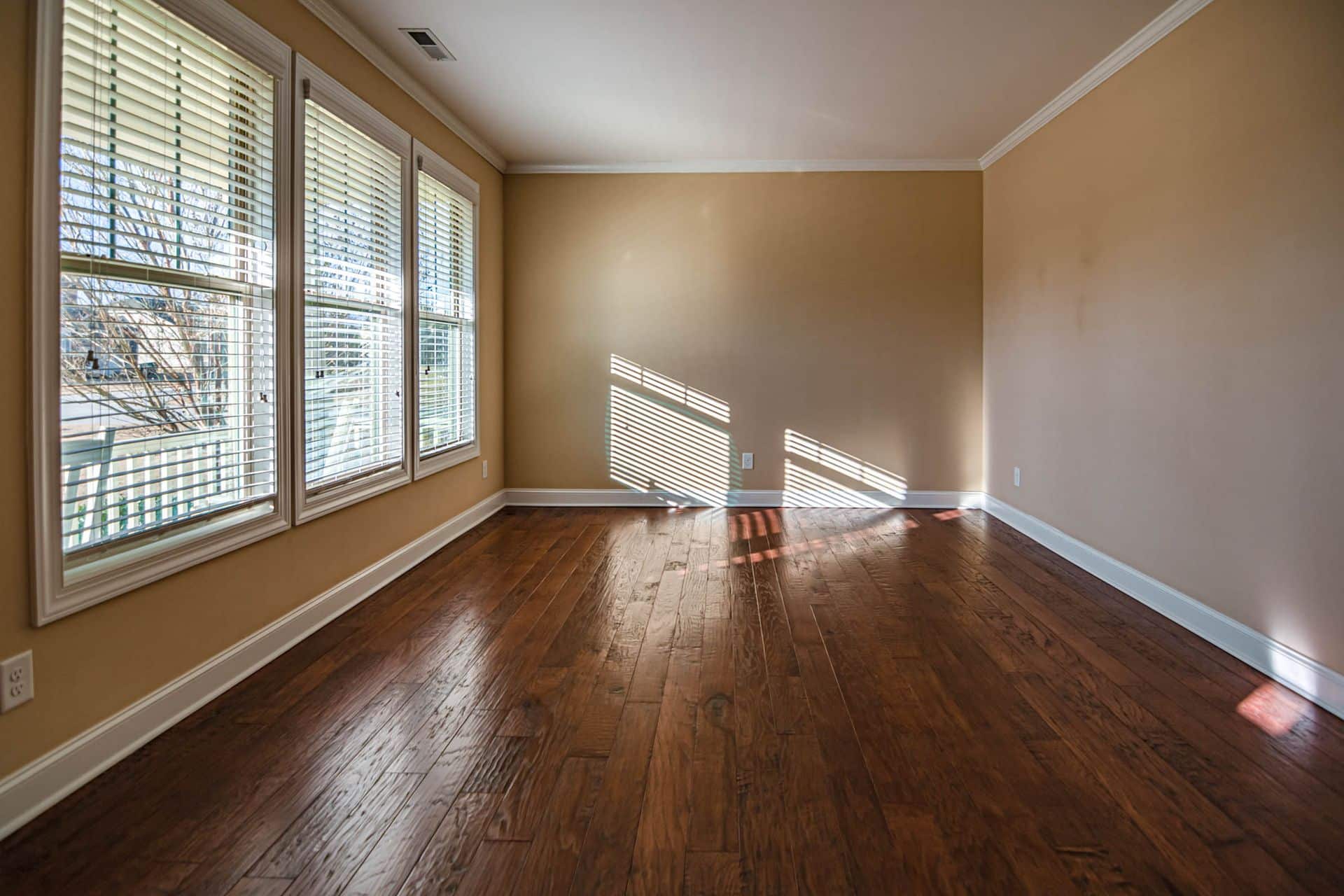
Opting for a sparsely furnished apartment to ensure a straightforward transition, Mia arrived at her new temporary residence and settled her few belongings among the minimal stock furniture. The experience of living in a deliberately spare space has offered unexpected insights into clutter, physical possessions, and the psychological weight of everyday consumer habits—lessons that mirror her previous observations on the burdens of living in a cluttered environment.
Use It Up
Part of the standard furnished apartment experience involves receiving small, hotel-sized portions of everyday products. Having already brought her own toiletries and cleaning supplies, Mia initially viewed these complimentary items as mere duplicates. In the past, she admits, a hoarding mentality might have prompted her to save the tiny containers for some hypothetical future emergency.
Instead, she chose to use them up completely. Recognizing them as suboptimal versions of everyday goods, she realized that saving them would add no actual value to her life. By consuming them first and immediately discarding the empty containers, she managed to free up both physical space in her temporary home and mental bandwidth. The experience has made her a stronger proponent of proactive decluttering strategies centred on finishing what one already owns before acquiring more.
Functional Decor
As a self-described homebody, adapting to life away from her permanent house and established belongings proved to be a psychological adjustment. To combat the unfamiliarity of the space, Mia chose to display the few mementos she brought along, such as draping a colourful throw blanket over the couch rather than folding it away out of sight.
She also placed her books throughout the apartment instead of stacking them on a bedside table. By allowing items that looked visually warm and comforting to remain in plain view, she transformed the sparse rooms into a more inviting environment. Styling with functional items allows them to serve a dual purpose, making a temporary living arrangement feel like a home without introducing unnecessary or redundant clutter.
Finding Utility in Simplicity
A recent visit from a friend for her birthday brought a new addition to her limited belongings: a small wooden spoon. Mia manages sensory sensitivities that make the clinking sound of traditional silverware particularly distressing, frequently inducing nausea. To avoid using the metal utensils provided by the apartment complex during her first days in the space, she had resorted to saving plastic cutlery from local takeout restaurants.
The arrival of the wooden spoon offered a practical and comforting alternative. Because she experiences sensory issues with standard cutlery, she now relies exclusively on this spoon and a pair of chopsticks, rendering the remainder of the apartment’s utensil drawer entirely obsolete. The situation highlighted a broader lesson about material possessions: owning a single item that performs its function perfectly—particularly one carrying sentimental value—brings more utility than maintaining a drawer full of uninspired alternatives.
The Impact of Solitude and Space
Mia’s current social calendar is notably sparse compared to her life back home. While she maintains relationships with a few nearby acquaintances, the absence of her usual bustling social schedule has created a distinct shift in her daily routine. Although she deeply values her friends, she has found the enforced solitude to be remarkably energizing, a realization that highlights the human contradiction of craving constant connection while simultaneously thriving on quiet independence.
Freed from complex social obligations and encumbered by very few possessions, her daily life has simplified considerably. Her morning routine now involves an effortless walk to the gym for workouts, her temporary apartment remains consistently clean, and she spends significantly more time preparing wholesome meals. Furthermore, having recently acquired a business, the extra time and mental clarity have allowed her to catch up on professional responsibilities and finally sit down to write about her experiences. While she plans to reintroduce social activities and hobbies—such as game nights with friends back home and resuming fight training—the period of intense solitude has proven exceptionally productive.
The Rapid Accumulation of Clutter
Even in a minimalist environment, Mia observed how quickly physical items can accumulate. Having lived in the temporary space for just three weeks, she noticed the subtle arrival of new clutter. Following her recent birthday, gifts entered the apartment—including a small trampoline positioned nearby as she types—which, while bringing happiness, immediately began consuming physical space.
Similarly, a kitchen cabinet rapidly filled with plastic containers saved for food storage after just a few weeks of travel. The natural trajectory of household goods, particularly within the United States, is an inward flow toward the home. Without a deliberate effort to channel items back out, possessions inevitably pile up over time. To combat this, she has begun implementing passive decluttering strategies to stay ahead of the accumulation before it becomes overwhelming.
Evaluating the Experiment
When asked whether the drastic relocation has achieved its intended purpose, Mia reports positive preliminary results. The experiment marks the first genuine improvement in her chronic health issues in years, offering a promising breakthrough despite the complicated reality of having to eventually address the root causes tied to her permanent residence. With her renewed mental space, she intends to investigate long-term solutions while continuing her writing and upcoming community projects, including a planned holiday decluttering challenge.