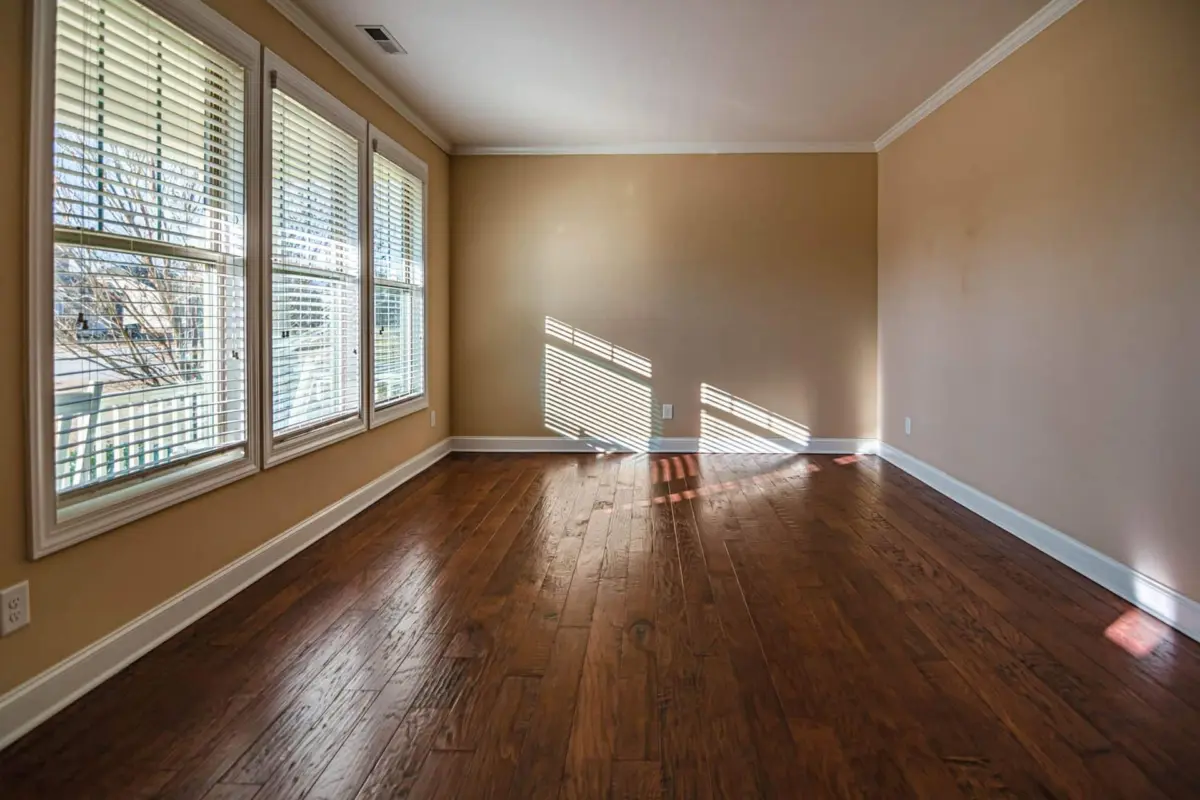
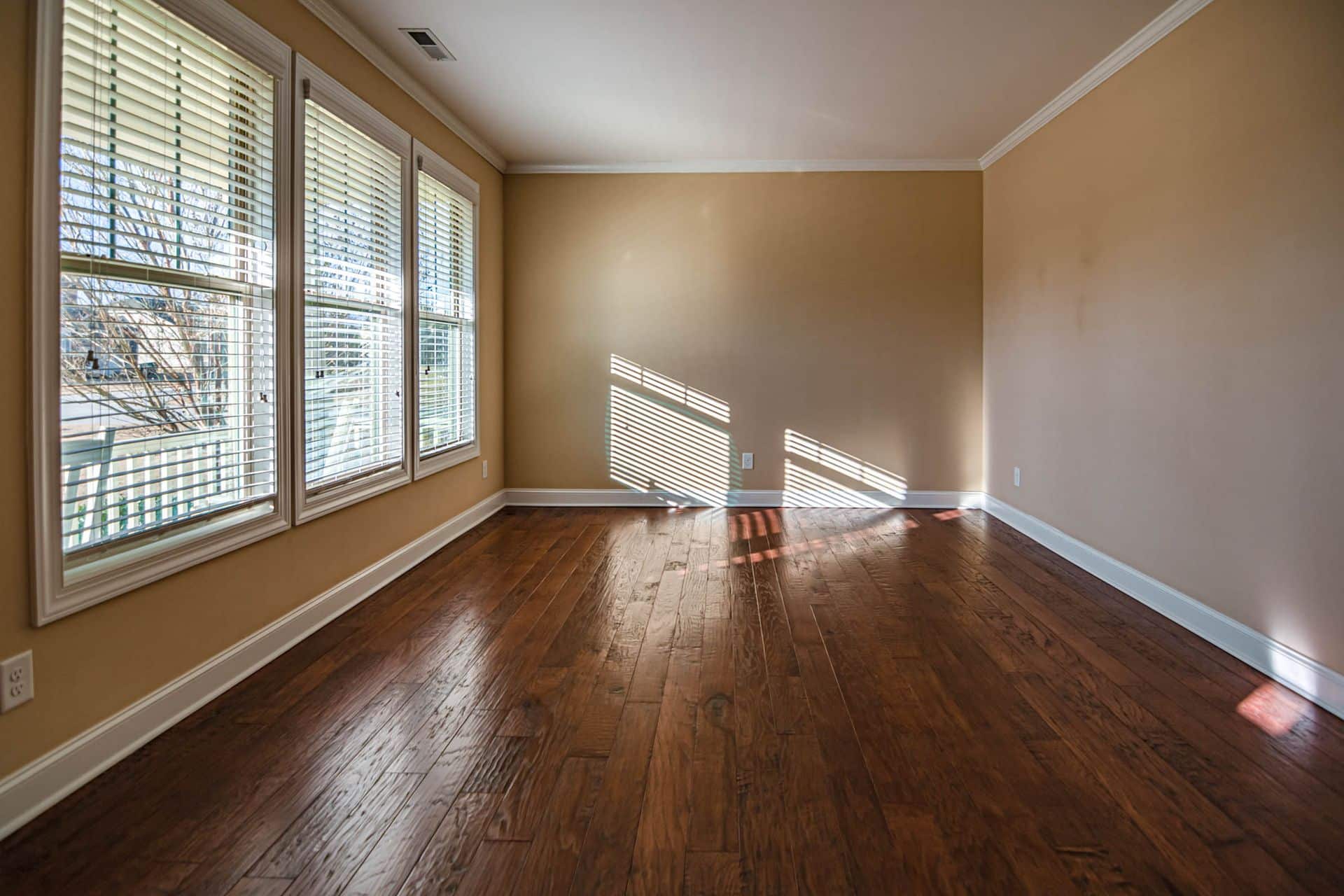
Packing her compact Prius to the brim with daily essentials, crucial work equipment, and a small selection of personal items for comfort, she embarked on a grueling nineteen-hour drive. At the end of the journey lay her temporary home for the next quarter of a year—a sparsely furnished apartment designed to facilitate the simplest possible life transition while she focused on her health.
Arriving at the destination, she spent the afternoon integrating her minimal belongings into the bare-bones setup provided by the rental. Living in such a stripped-down, spare space has offered unexpected insights into the psychology of clutter and minimalism, echoing lessons she previously explored while navigating overstuffed environments. After three weeks away, the experiment has already yielded tangible results regarding both her physical well-being and her perspective on material possessions.
Use It Up
One of the immediate realities of renting a furnished apartment is the presence of complimentary, hotel-sized portions of everyday items. Having brought her own toiletries and cleaning supplies from home, Mia initially viewed these hotel-grade amenities as redundant extras.
In the past, her mindset might have leaned toward a hoarding mentality—the instinctive urge to save tiny, inferior items for some hypothetical future scenario where miniature toiletries might prove valuable. This time, however, she deliberately chose a different path: using them up. Recognizing that these were often the lowest-quality versions of everyday goods, saving them offered no real enrichment to her daily life. She felt no excitement at the prospect of using them later.
By aggressively working her way through the small bottles and tossing the empty containers as she went, she managed to clear physical and mental real estate simultaneously. The experience has made her a more fervent proponent of "use it up" decluttering strategies than ever before, proving that consuming what is already on hand is often faster and less mentally taxing than trying to organize or store it.
Functional Decor
As a self-described homebody, being away from her permanent residence and her familiar belongings has presented a strange psychological challenge. To combat the sterility of the temporary apartment, she chose to display the few personal items she brought along rather than hiding them away.
Instead of folding her colorful throw blanket and stowing it in a closet, she draped it across the couch. Instead of stacking her books tightly on a bedside table, she propped them up throughout the living space. Any item that carried a sense of comfort or aesthetic warmth was given a visible home rather than being relegated to a drawer.
While such an approach in a densely furnished home might quickly cross the line into visual clutter, working with a strictly limited inventory of mementos created a warmer, more inviting atmosphere. This method of styling with functional items allows everyday objects to serve a dual purpose, making an unfamiliar space feel like home without contributing to useless accumulation.
This Spoon
The challenges of living with minimal provisions were brought into sharp relief around her birthday last week, when a visiting friend presented her with a small wooden spoon as a gift.
Mia deals with specific sensory issues that make the sound and feel of clinking metal silverware particularly abrasive, often inducing nausea. On her very first day in the apartment, rather than using the standard metal utensils provided with the rental, she had resorted to saving plastic cutlery from local takeout orders.
The arrival of the wooden spoon offered an immediate and welcome alternative. Perfectly sized and imbued with sentimental value, the gift reminds her of her dear friend every time she uses it. Because she now relies exclusively on this wooden spoon and a pair of occasional chopsticks, the apartment’s entire drawer of traditional utensils has been rendered obsolete. The experience underscored a broader minimalist principle: owning a single item that serves its purpose perfectly—especially one that brings genuine joy—is vastly superior to maintaining a drawer full of mediocre alternatives that go largely ignored.
Alone Time
One of the most drastic shifts during the three-week relocation has been the sudden scarcity of her social calendar. While she has a few acquaintances living nearby, her daily interactions pale in comparison to the bustling social life she maintains back home.
Initially, the dramatic reduction in social obligations felt like a drawback, given how deeply she values her friendships. Yet, it has proven to be an unexpectedly energizing development. Mia recognizes a certain internal contradiction in her nature—thriving on solitary time while simultaneously fighting against it out of a desire to remain constantly connected with loved ones.
With her schedule cleared of external commitments and her living space requiring minimal maintenance, daily life has transformed into something remarkably frictionless. She wakes up every morning and walks to a nearby gym to complete her workouts with effortless consistency. Her temporary apartment remains impeccably spotless with almost zero effort, leaving her significantly more time and energy to cook healthy, wholesome meals.
The freed-up mental space has also benefited her professional life. Having acquired a business a few months prior—a milestone that explains her recent quiet period—she has finally found the surplus bandwidth required to catch up on administrative tasks and sit down to write her blog. While she fully intends to reintroduce social activities and hobbies into her routine now that the settling-in phase is complete, including game nights with longtime friends and picking up fight training, the period of prolonged solitude has served as a powerful catalyst for productivity and rest.
Clutter Comes Fast
Despite the intentionally sparse nature of her current lifestyle, Mia has observed how quickly physical accumulation begins even in a minimalist environment. Having resided in the apartment for only three weeks, she can already sense the impending threat of clutter.
Her recent birthday brought a wave of new gifts into the space—items that genuinely bring her happiness, yet inexorably consume physical volume. At the moment, a small trampoline sits directly beside her as she types, illustrating how rapidly leisure goods and personal effects infiltrate a room. Similarly, despite driving to the location with almost nothing, her kitchen cabinets have rapidly filled with plastic containers she saved specifically for food storage.
This rapid influx highlights what she identifies as the natural, unidirectional flow of consumer goods within households, particularly in the United States, where items constantly enter the home environment without an equally deliberate mechanism for removal. Without establishing a conscious flow of goods back out of the house, belongings inevitably pile up over time. In response, she has begun reintegrating her established passive decluttering techniques, noting that staying ahead of accumulation is far more effective than trying to manage a full-blown clutter crisis later.
So, Did It Help?
For followers tracking the primary motivation behind the experiment, the core question remains: has the relocation actually helped her health?
According to Mia, the experiment is indeed yielding positive results so far. This news brings a sense of cautious optimism, marking the first genuine improvement she has observed in her persistent health issues in years. At the same time, the realization introduces a complicated set of circumstances, given that the successful environment is located far away from her permanent life and property.
She intends to use her newfound mental clarity and the insights gained during her time away to navigate the complex problem of her living situation. In the meantime, her temporary relocation continues, alongside preparations for upcoming community projects such as the planned Holiday Decluttering Challenge for her readers.