
For years, Mia has battled chronic health problems that resisted conventional solutions. Suspecting that her primary residence might be the hidden environmental trigger for her ailments, she decided to run a drastic, real-world experiment: remove herself completely from the suspected environment to see if her symptoms improved before committing to permanent, life-altering relocation decisions.
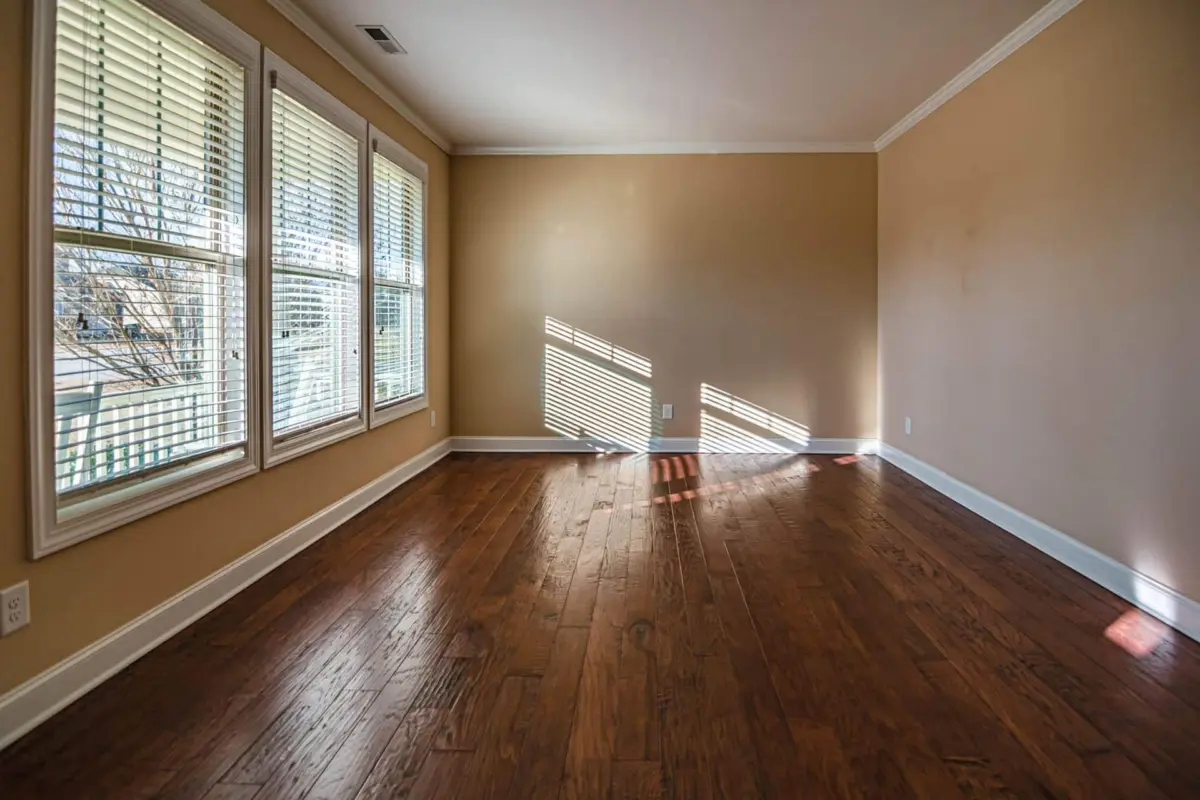
Settling into her temporary quarters required adjusting to a starkly different environment. With minimal stock furniture and only a fraction of her usual belongings, the author found herself navigating an impromptu lesson in minimalism and space management. This unexpected displacement offered a fresh perspective on consumer habits, mental clarity, and the subtle ways our physical surroundings influence overall well-being.
Use It Up
One of the first lessons emerged from the remnants of the apartment’s transient amenities. Furnished rentals often come stocked with hotel-sized portions of everyday products. Ordinarily, Mia admitted, she would succumb to a familiar hoarding mentality, holding onto miniature toiletries and cleaning agents for some hypothetical future emergency.
However, faced with the minimalist parameters of her temporary life, she adopted a different strategy: she simply used them up. Recognizing that these low-quality convenience items added no genuine enrichment to her daily routine, she worked through them methodically rather than saving them. Once depleted, she discarded the empty containers, permanently eliminating them from her physical space and mental checklist.
This experience transformed her view of everyday consumption, cementing a philosophy of proactive consumption over passive accumulation. By intentionally exhausting what is already on hand rather than preserving it indefinitely, individuals can clear both physical square footage and psychological bandwidth.
Functional Decor
As an admitted homebody, navigating life away from her familiar possessions proved to be a psychological challenge. To combat the sterility of the bare-bones apartment, Mia experimented with what she calls functional decor. Instead of neatly tucking away her few personal belongings—such as propping up her favorite books throughout the living space or draping a brightly colored throw blanket over the neutral sofa instead of folding it in storage—she allowed everyday items to double as aesthetic elements.
In a crowded home, such an approach might easily tip into visual clutter. However, when working with a strictly edited collection of mementos and necessities, displaying functional items serves a dual purpose. It warms up a sterile environment and adds a personal touch without introducing redundant or purely decorative objects that demand maintenance and space.
The Power of Single, Purposeful Objects
The reality of living with sensory sensitivities also came into sharp focus during her transition. Prone to severe nausea triggered by the sharp clinking of traditional silverware, Mia initially relied on plastic takeout cutlery during her first days in the apartment to avoid using the metal utensils provided by the rental.
The situation shifted when a close friend visited to celebrate Mia’s birthday, presenting her with a thoughtfully sized wooden spoon. The item immediately resolved her daily utility needs while serving as a comforting reminder of her friendship back home. Now utilizing only that specific spoon and a pair of wooden chopsticks for her meals, the remainder of the apartment’s utensil drawer has become entirely obsolete.
The experience highlighted a broader truth about consumer goods: owning a single item that performs its intended function flawlessly—and brings genuine joy in the process—is infinitely more valuable than maintaining an overcrowded drawer filled with mediocre alternatives that fail to satisfy.
The Surprising Benefits of Solitude
Beyond physical possessions, the temporary relocation drastically restructured Mia’s social and professional life. While her social calendar is currently sparse compared to her bustling life back home, the forced isolation has yielded unexpected benefits. Although she deeply cherishes her friends, the reduction in social obligations has provided a profound energetic recharge.
With a streamlined schedule and an easy-to-maintain living space, daily routines have simplified remarkably. Morning gym visits have become effortless, the apartment remains consistently spotless, and she has found ample time to prepare nutritious home-cooked meals. Furthermore, the quiet environment has allowed her to catch up on administrative duties following her recent acquisition of a business, ultimately clearing the mental space required to resume writing and public blogging.
While she intends to reintroduce social activities and hobbies—such as game nights with old friends and returning to fight training now that her energy levels have rebounded—the period of intentional solitude has proven vital for her productivity and physical recovery.
The Speed of Accumulation
Despite her conscious efforts to maintain a minimalist footprint, Mia noted how quickly clutter attempts to reestablish itself. Only three weeks into her stay, the arrival of birthday gifts and the natural accumulation of daily life began to exert pressure on her living space. A small trampoline now sits in her immediate workspace, and a kitchen cabinet has rapidly filled with saved plastic containers designated for food storage.
Observing this rapid influx reinforced her understanding of how domestic spaces operate, particularly within contemporary American culture, where the natural momentum of consumer goods moves strictly inward. Without establishing intentional, active countermeasures to push items back out of the home, clutter inevitably accumulates over time.
To combat this creeping tide, she quickly reinstated her established passive decluttering routines, relying on proven techniques to stay ahead of the accumulation curve before minor messes transform into overwhelming problems.
Assessing the Experiment’s Results
With her three-month trial well underway, Mia evaluated the core question that prompted her cross-country move: whether changing her environment would alleviate her persistent health issues.
The preliminary results offer a mixture of relief and complexity. For the first time in years, she has observed real, tangible improvements in her physical health—a promising development that validates her initial suspicions regarding her permanent home. At the same time, the reality that her health recovery is directly tied to her geographic location presents a complicated logistical and emotional challenge.
With the newfound mental clarity afforded by her simplified lifestyle and reduced symptom burden, Mia plans to address those deeper environmental questions in the weeks to come. In the interim, she continues to prepare for upcoming community initiatives, including the scheduled Holiday Decluttering Challenge, as she settles further into her temporary surroundings.