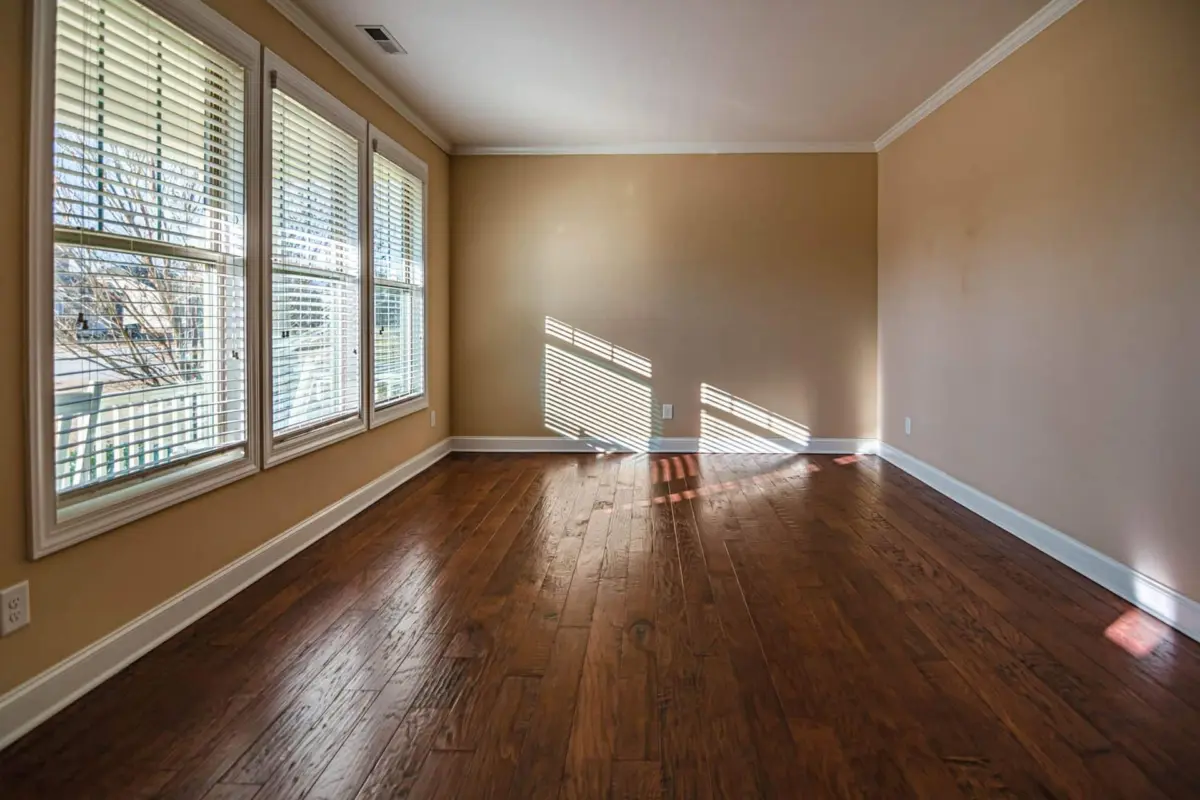
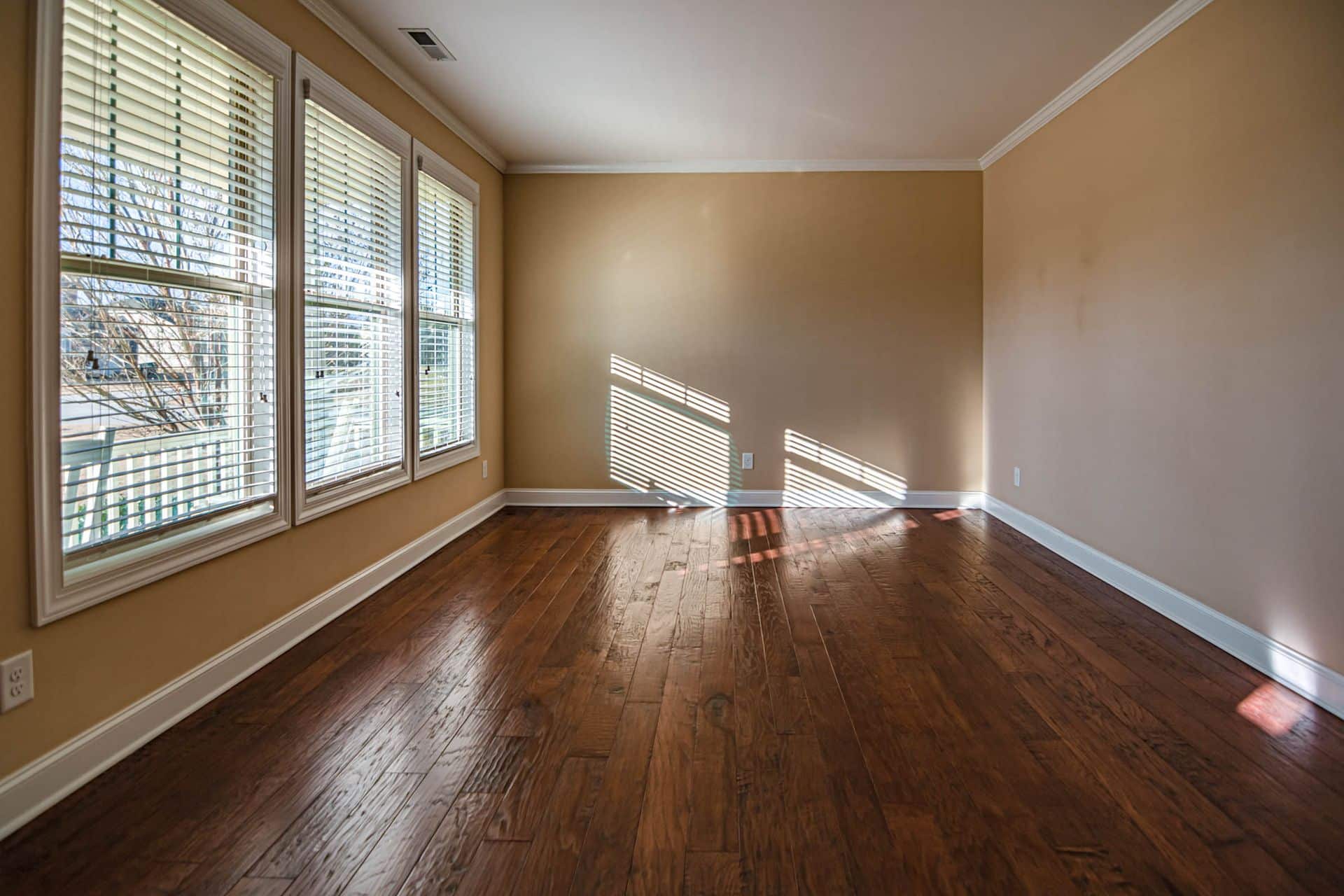
Upon arriving at her destination, she settled into a sparsely furnished apartment designed for a seamless, low-maintenance transition. With only a minimal stock of furniture provided by the rental, her limited personal items occupied just a fraction of the space. This stark environment offered an unexpected immersion into the practicalities of minimalism, echoing lessons she had previously learned from navigating cluttered living spaces. Settling into a minimalist routine quickly highlighted how physical environments influence daily habits, mental clarity, and overall well-being.
Use It Up
Part of the standard furnished apartment experience involves inheriting hotel-sized portions of everyday items. Having brought her own toiletries and cleaning supplies from home, Mia found herself with an abundance of redundant provisions. In the past, a default hoarding mentality might have dictated saving those tiny containers for some hypothetical future scenario where miniature toiletries could prove useful.
Instead, she chose a more decisive approach: using them up. Because these provisions represented the most basic versions of everyday goods, saving them offered no genuine enrichment to her life. There was no excitement tied to using them at a later date. By deliberately consuming these products first, she quickly emptied the containers and discarded them, immediately reducing the physical and mental clutter taking up real estate in her temporary home. This experience cemented a firm stance on "use it up" decluttering, proving that finishing what is already on hand is far more beneficial than storing it indefinitely.
Functional Decor
As a self-described homebody, adapting to life away from her permanent residence and familiar belongings proved to be a psychological adjustment. To combat the sterility of the bare-bones apartment, she adopted a strategy of displaying her few personal items rather than stowing them away. A colorful throw blanket was draped over the sofa instead of being folded out of sight, and books were propped throughout the rooms rather than stacked neatly on a bedside table.
Any item possessing a semblance of warmth or personal significance was given a visible home. In a larger collection of belongings, this approach might easily risk creating visual clutter; however, with only a handful of cherished mementos on hand, the strategy successfully softened the space. Styling rooms with genuinely functional items allowed those possessions to serve a dual purpose, making the temporary apartment feel welcoming without introducing useless accumulation.
The Value of Purposeful Tools
Navigating daily routines in a strange environment also cast light on how specific tools impact comfort, particularly for individuals managing sensory sensitivities. Dealing with sensory issues that make the clinking sound of traditional silverware genuinely nauseating, Mia initially relied on plastic cutlery collected from takeout meals during her first days in the apartment to avoid using the provided metal utensils.
The situation shifted when a visiting friend brought a belated birthday gift: a small wooden spoon. Perfectly sized and uniquely meaningful, the item immediately resolved her utensil dilemma while serving as a constant reminder of her friend. Relying exclusively on this wooden spoon and a pair of chopsticks rendered the remainder of the apartment’s utensil drawer entirely obsolete. The experience reinforced the principle that a single item serving its purpose perfectly—especially one that brings genuine joy—holds far more value than a drawer full of mediocre alternatives.
The Power of Alone Time
Beyond physical surroundings, the temporary relocation brought a dramatic shift to Mia’s social calendar. While she has a few acquaintances nearby, her local network is vastly smaller than the community she left behind at home. Initially, this reduction in social engagement felt like a drawback, given her deep affection for her friends. Yet, it quickly proved to be a profound source of energy.
Thriving on solitude while simultaneously craving the company of loved ones represents a familiar human contradiction. With a cleared-out schedule and an easily manageable living space, daily life transformed into a remarkably streamlined routine. Mornings now begin with an effortless walk to the gym for regular workouts. The apartment remains effortlessly spotless, and significantly more time is dedicated to preparing healthy, home-cooked meals.
Furthermore, having acquired a business a few months prior, the newfound quiet and mental space allowed her to catch up entirely on professional obligations and finally resume writing. While she plans to reintroduce social activities and hobbies—such as hosting game nights with old friends and returning to fight training now that her energy levels have rebounded—the period of intentional solitude has proven exceptionally productive and revitalizing.
The Rapid Accumulation of Clutter
Despite the minimalist setup, the experiment also exposed how rapidly items can infiltrate a living space. Having resided in the temporary apartment for just three weeks, the subtle threat of clutter already began to emerge. Celebrating a recent birthday meant welcoming new gifts into the home; while each item brought happiness, they instantly claimed physical space, leaving a small trampoline sitting directly beside her workspace.
Even arriving with almost nothing, a single kitchen cabinet quickly filled with plastic food storage containers saved from daily routines. The natural trajectory of domestic life, particularly within the United States, tends to be a steady, unidirectional flow of goods into the home. Without establishing an equally deliberate flow of items back out, possessions inevitably accumulate indefinitely. Recognizing this pattern prompted a return to regular decluttering practices, utilizing passive maintenance techniques to stay ahead of potential accumulation before it becomes overwhelming.
Evaluating the Experiment
Assessing the overall impact of the relocation experiment reveals positive news. For the first time in years, Mia has observed tangible, meaningful improvements in her health. While this offers immense relief, it presents a complex reality, given that the apparent trigger for her chronic symptoms remains tied to her primary residence. Navigating that challenge is a problem she now feels equipped to tackle, supported by the renewed mental clarity gained during her time away.
As she continues to settle into the routine of her temporary surroundings, plans are already underway for upcoming community initiatives, including a planned holiday decluttering challenge for her audience. For now, the experiment continues to offer valuable insight into how physical environments, material possessions, and daily routines intersect to shape overall health and well-being.