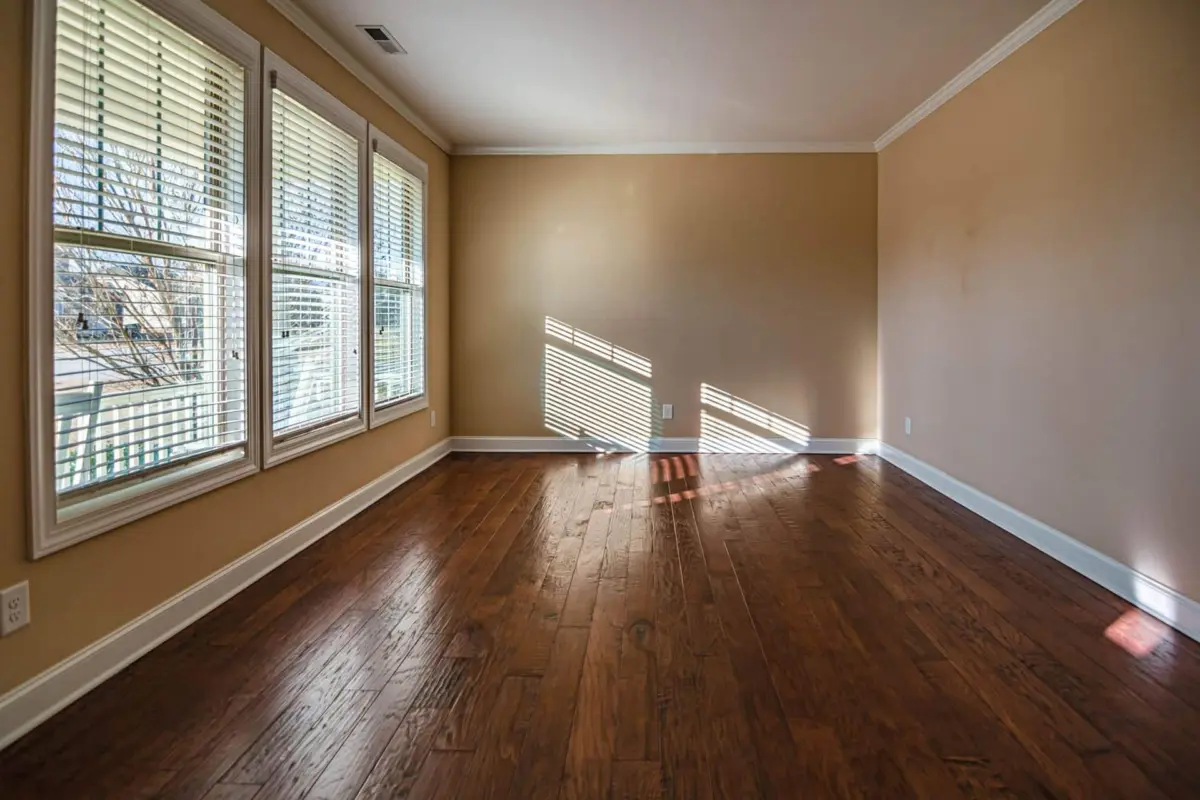
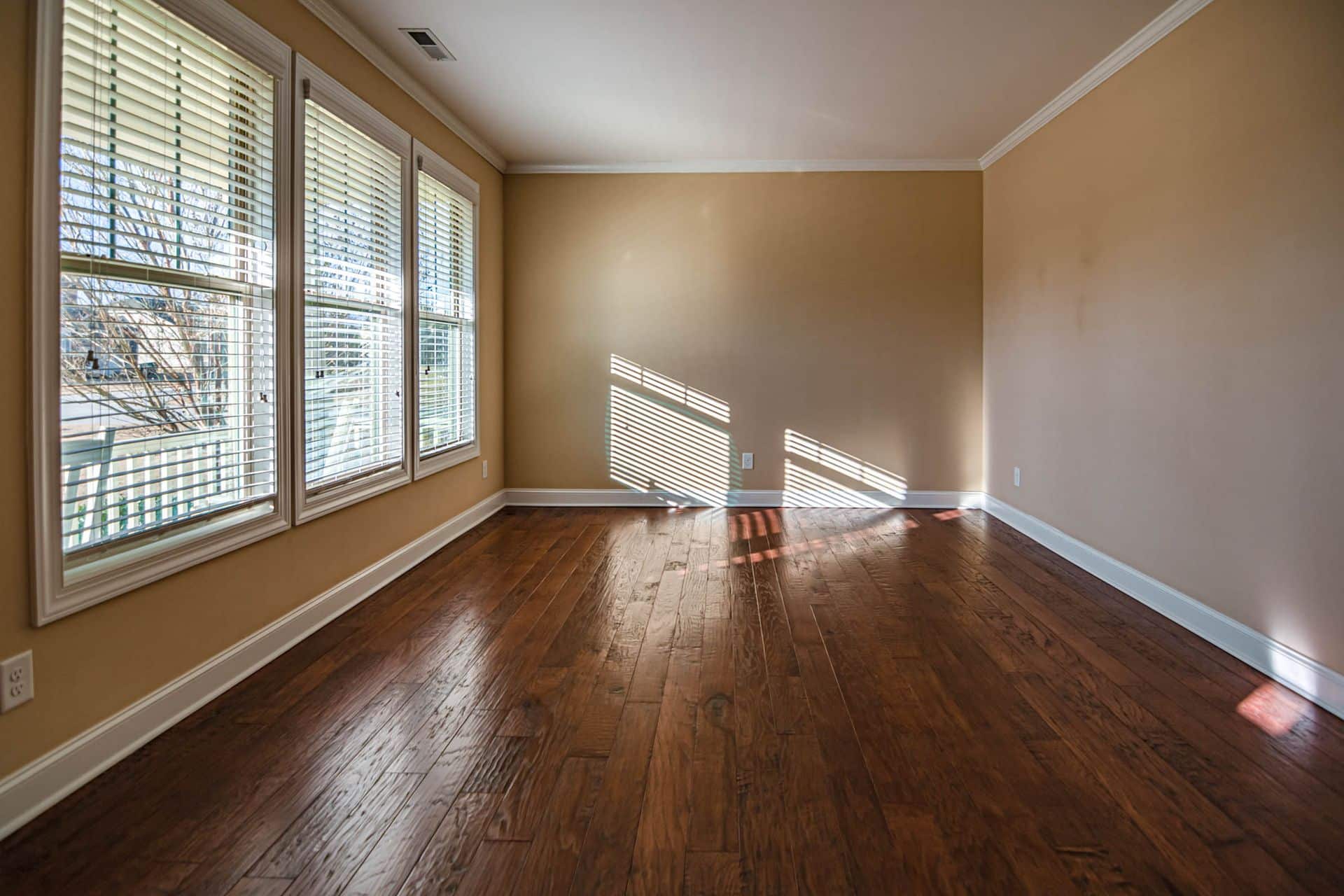
The transition to a bare-bones rental space offered an unexpected masterclass in minimalism, shedding light on how physical environment impacts mental clarity, daily habits, and overall well-being. Living among minimal stock furniture with only a fraction of her usual possessions has provided valuable insights into consumer habits, intentional design, and the subtle accumulation of household clutter.
1. Use It Up
Among the earliest adjustments in the furnished apartment was dealing with the standard hotel-sized portions of everyday items left behind for tenants. Although she had brought her own toiletries and cleaning supplies, these complimentary items initially represented redundant inventory.
Reflecting on past habits, Mia noted a previous tendency toward a hoarding mentality—saving tiny, subpar products under the vague assumption that they might be needed eventually. Instead of stashing the items away, she made a conscious decision to use them up immediately. Because these products represented the lowest tier of quality and offered no genuine enrichment to her daily routine, consuming them first allowed her to discard the empty containers quickly. This deliberate approach eliminated unnecessary items from both her physical space and her mental load, reinforcing the effectiveness of proactive decluttering strategies.
2. Functional Decor
As a self-described homebody, adapting to an unfamiliar space without her usual belongings presented a psychological challenge. To bridge the gap between a sterile rental and a comfortable environment, she integrated the few personal items she brought along into the active living space. Rather than folding away her colorful throw blanket into a storage bin, she draped it over the couch. Books were propped strategically throughout the apartment instead of being stacked on a bedside table.
By allowing these sentimental and comforting items to remain in plain sight rather than hiding them away in drawers, the space took on a warmer, more lived-in atmosphere. This styling approach demonstrates how functional items can serve a dual purpose—adding aesthetic warmth and personal connection without contributing to the accumulation of useless clutter.
3. This Spoon
A recent birthday visit from a close friend brought a unique addition to the minimalist apartment: a small wooden spoon. For someone managing sensory issues and a strong aversion to the clinking sound of metal silverware—which can trigger nausea—navigating standard kitchen utensils posed a daily hurdle. During her first days in the apartment, she relied on saved plastic cutlery from takeout orders to avoid the metal utensils provided with the rental.
The gifted wooden spoon, perfectly sized and deeply meaningful, replaced standard cutlery entirely. Combined with a simple pair of chopsticks, these two items now fulfill all her dining needs, rendering the remainder of the apartment’s utensil drawer functionally obsolete. The experience underscored a broader philosophy: owning a single item that serves its purpose flawlessly brings far more value than maintaining a drawer full of mediocre alternatives.
4. Alone Time and Productivity
While the temporary relocation significantly reduced her local social circle compared to life back home, the solitude has proven remarkably energizing. Although she deeply values her relationships and recognizes the natural human tension between seeking connection and needing personal space, the quieter schedule has streamlined her daily routines.
With fewer social distractions and an exceptionally easy-to-maintain living space, daily operations have grown remarkably smooth. Morning gym workouts require minimal effort, the apartment remains consistently spotless, and time dedicated to preparing healthy meals has expanded. Furthermore, the newfound mental bandwidth has allowed her to stay ahead on professional obligations, including managing a business she acquired a few months prior, and finally find the time to document her experiences. While she plans to reintegrate social activities and hobbies like fight training now that she is fully settled, the extended period of solitude has yielded unexpected professional and personal productivity.
5. The Rapid Accumulation of Clutter
Despite arriving with almost nothing, the subtle and rapid accumulation of items became apparent within just three weeks. Birthday gifts, while appreciated and personally meaningful, immediately claimed physical real estate—exemplified by a trampoline currently positioned nearby. Similarly, a kitchen cabinet quickly filled with plastic containers saved for food storage.
This rapid buildup highlights a broader cultural trend in the United States, where the natural flow of consumer goods moves steadily into the home. Without an intentional, opposing flow of items leaving the household, clutter inevitably accumulates over time. To combat this tendency, Mia has reinstated regular passive decluttering practices, catching the buildup early before it becomes an overwhelming problem.
Assessing the Experiment
Regarding the core question of whether the relocation achieved its primary objective, the experiment has shown positive initial results. The health improvements observed over the past few weeks mark the first genuine progress experienced in years. At the same time, the realization that her permanent residence may be the root cause of chronic health issues introduces a complex reality to navigate.
Armed with newfound mental clarity and the insights gained from minimalist living, addressing the root cause of those health challenges remains the next major hurdle. Meanwhile, preparation continues for upcoming community initiatives, including a planned holiday decluttering challenge for followers and readers.