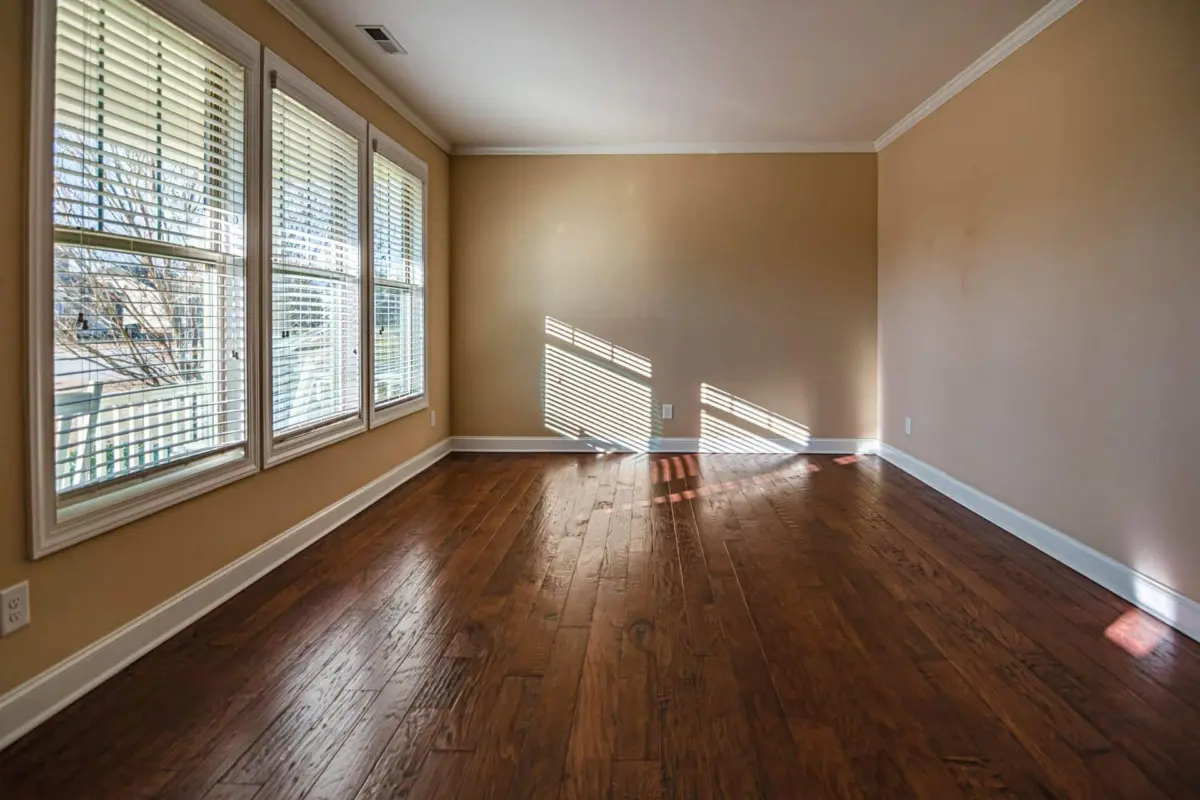
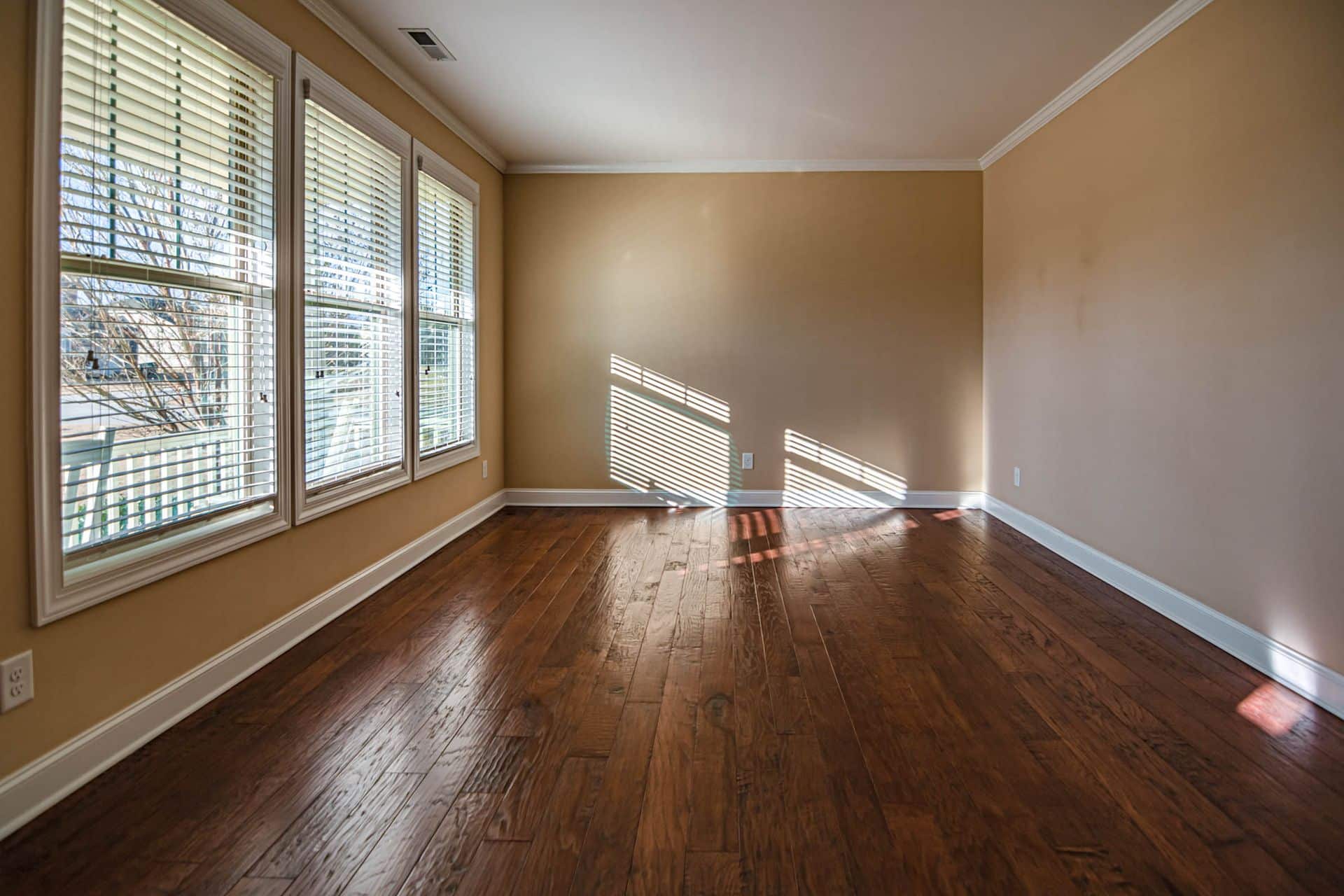
Arriving at her temporary home, Mia found an apartment equipped with only the bare minimum of stock furniture. She spent her first afternoon integrating her minimal belongings into the stark space. Living in such a stripped-down environment quickly offered unexpected insights into the psychology of clutter, echoing lessons she had previously learned from navigating overstaturated living spaces. As the weeks unfolded, this minimalist trial provided a fresh perspective on consumption, functional design, the deep emotional weight of everyday objects, the value of solitude, and the relentless speed at which domestic clutter accumulates.
1. Use It Up
One of the defining aspects of living in a temporary, furnished rental is the presence of hotel-sized portions of everyday essentials. Having thoughtfully packed her own toiletries and cleaning products, Mia viewed these complimentary items as mere extras. In the past, she might have succumbed to a traditional hoarding mentality—the ingrained urge to save tiny, mediocre items for a hypothetical future where miniature things might somehow be required.
This time, however, she adopted a radically different approach: she simply used them up. Recognizing that these products were often the lowest tier of quality, saving them offered no tangible benefit to her daily life. They were certainly not items she would look forward to using down the line. By actively utilizing them first and immediately discarding the empty containers, she successfully removed unnecessary physical and mental clutter from her immediate surroundings. This experience reinforced her belief in the power of proactive consumption over passive hoarding.
2. Functional Decor
As a self-described homebody, transitioning to a temporary space far away from her permanent belongings presented a psychological hurdle. To bridge the gap between a sterile rental and a comforting environment, she strategically displayed the few personal mementos she had brought along. Instead of folding away a colorful throw blanket, she draped it across the couch. Instead of stacking her books out of sight on a bedside table, she propped them purposefully throughout the apartment.
Any item that carried a sense of warmth and familiarity earned a spot in plain view rather than remaining hidden in a drawer. In a crowded home, such an approach might easily tip over into visual chaos, but with a severely limited inventory of personal items, it succeeded in softening the stark edges of the temporary apartment. Styling a room with everyday functional items allows them to perform double duty, bringing personality and warmth to a space without introducing useless clutter.
3. This Spoon
The challenges of the temporary kitchen came into sharp focus around her birthday, when a visiting friend presented her with a small, handmade wooden spoon. Mia manages sensory issues that make the sound of clinking silverware particularly distressing, often inducing nausea. On her very first day in the apartment, she had resorted to hoarding plastic cutlery from local takeout spots specifically to avoid the metal utensils provided by the rental property.
The gifted wooden spoon offered an immediate solution. Perfectly sized and deeply personal, it brought a reminder of her friend every time she prepared a meal. Because she quickly transitioned to using exclusively this wooden spoon alongside a trusty pair of chopsticks, the remainder of the apartment’s utensil drawer became entirely obsolete. The experience underscored the reality that a single item serving its purpose to absolute perfection brings far more value than a drawer full of mediocre alternatives.
4. Alone Time
The most profound shift during the relocation involved Mia’s social calendar, which suddenly transformed into a minimalist schedule. While she has a few acquaintances nearby, her local social network cannot compare to the vibrant community she left behind. Initially, this felt like a significant drawback given her deep affection for her friends, but the solitude quickly proved to be remarkably energizing.
Thriving on alone time—even while occasionally resisting the urge to constantly be surrounded by loved ones—proved to be a natural human contradiction. With a cleared-out schedule and an easily manageable living space, daily life took on an unprecedented ease. She established a seamless morning routine of walking to the gym for workouts, noticed that her apartment effortlessly remained spotless, and found ample time to cook nourishing meals. Furthermore, having caught up significantly on running the business she acquired a few months prior, she unlocked the mental space necessary to resume writing and blogging. While she intends to reintroduce social activities and hobbies, such as game nights and fight training, the period of extended solitude served as a powerful catalyst for productivity.
5. Clutter Comes Fast
Despite arriving with almost nothing, Mia noted that the threat of clutter emerged with surprising speed within just three weeks. Celebrating her birthday meant welcoming new gifts into the home—items that brought genuine joy yet immediately occupied physical space, such as a small trampoline resting beside her desk. Even simple daily habits contributed to the accumulation, noting that a kitchen cabinet quickly filled with plastic food storage containers she had saved.
This rapid influx highlighted a fundamental reality of domestic life: the natural flow of consumer goods within a modern household is overwhelmingly directed inward. Without deliberate, ongoing efforts to cycle items back out of the home, objects will inevitably pile up indefinitely. To counter this trend, she immediately reinstated her established passive decluttering techniques. Tackling the accumulation before it solidified into a larger problem proved essential for maintaining the mental clarity she had sought through the relocation.
So… Did It Help?
For those following the trajectory of her health experiment, the preliminary results offer encouraging news. The relocation has yielded the first genuine health improvements she has observed in years, validating her initial hypothesis about her primary residence. At the same time, the reality remains complex, anchored by the fact that her permanent home still awaits her return across the miles. Resolving that underlying dilemma is a challenge she intends to tackle armed with the renewed mental space and energy afforded by her temporary escape. As she settles further into the routine, plans for upcoming community projects and seasonal decluttering challenges remain firmly on the horizon.