
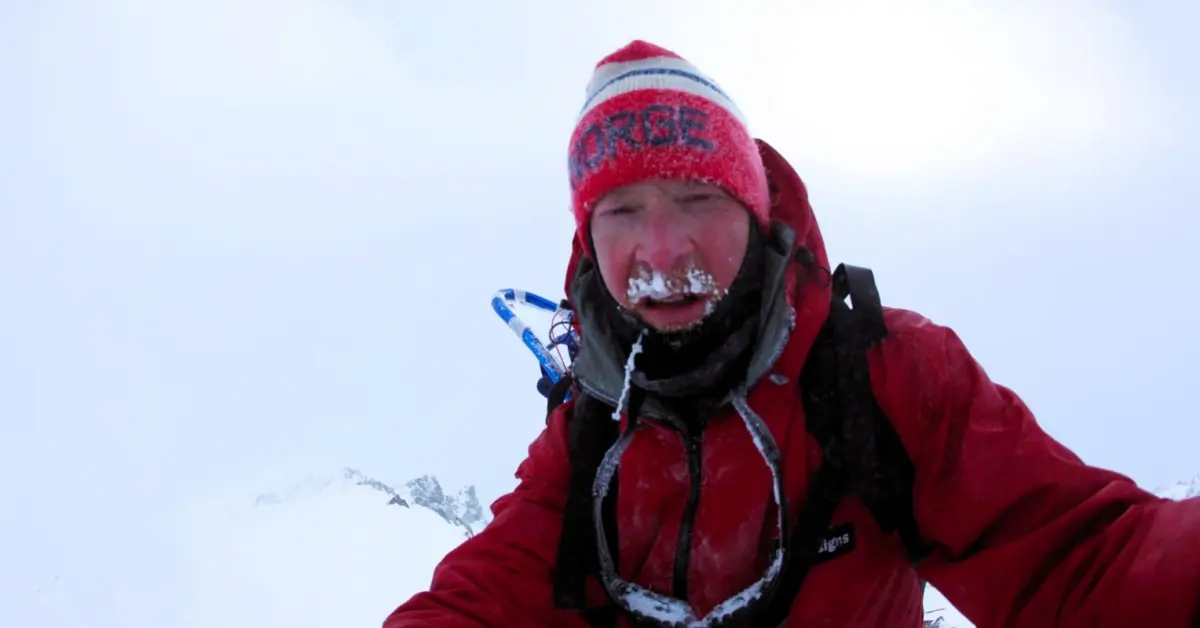
For one seasoned mountaineer, this lesson crystallized in the most profound way possible during a grueling winter expedition in Mongolia’s Altai Mountains.
After nearly two years of meticulous planning, coordination, and preparation, the expedition leader headed a local Mongolian logistics team into the remote region during the dead of winter. The primary objective was to support an ambitious series of solo first ascents across the harsh landscape. That endeavor ultimately succeeded, culminating in a world record for the most first ascents in the country’s history. Yet, when reflecting on the historic feat, the sheer number of summits achieved is not what remains at the forefront of memory.
Instead, it is the unrelenting and brutal cold that defines the experience.
During the expedition, temperatures plummeted well below -30 degrees Fahrenheit. The climbing party faced a relentless barrage of environmental hazards, including sudden avalanches, fierce snowstorms, and blinding winds capable of physically knocking a climber off their feet. The physical toll was severe. The expedition leader developed hypothermia and suffered painful frostbite, with several fingertips turning black from tissue damage. The extreme cold left exposed skin cracked and raw. In one particularly perilous moment, the climber broke through thick ice and plunged directly into a freezing river. Freeing heavy boots and snowshoes from the icy grip transformed the situation instantly from one of routine alpine discomfort into a desperate, high-stakes race against time.
In such critical moments, the burden of responsibility rested entirely on one individual. The climber had conceived the expedition from the outset, secured the necessary financial sponsors, organized the base-camp personnel and intricate logistics, and deliberately chosen to elevate the risk by undertaking the challenge during the unforgiving winter season. While a dedicated local team provided vital operational support down at base camp, every single decision on the mountain itself belonged solely to the climber.
When weather conditions granted a temporary reprieve, the days spent navigating the vertical terrain were filled with relentless self-interrogation. Questions echoed constantly in the freezing air: Was the clothing system adequate for the plunging temperatures? Was the terrain being read accurately, or were subtle warning signs being missed? Had the physical limits been pushed too far? There was a stark, sobering awareness that if a critical mistake were made, no rescue team was waiting nearby to intervene.
Years of accumulated experience in high-altitude environments had long ago taught this mountaineer a fundamental truth: wasting time debating a problem, arguing with the terrain, or cursing the weather changes nothing. Survival required an objective assessment of the unfolding situation, a clear-eyed acknowledgment of what was going wrong, a frank recognition of personal mistakes, and decisions rooted strictly in present reality rather than in the original plan. If core body temperature began to drop too low, if movement slowed to a dangerous crawl, or if weather conditions rapidly deteriorated, those harsh variables had to be factored into immediate choices immediately. In mountaineering, stubbornly refusing to acknowledge a developing problem can easily prove fatal. Pushing forward simply because a commitment had been made to a pre-arranged schedule was never a display of true courage; it was recognized as reckless endangerment.
This philosophy of radical realism in the face of crisis has since shaped a guiding question meant to be applied to any difficult situation, whether encountered in a professional career, at home, within personal relationships, or in unexpected predicaments: "What part of this is mine?"
There is a distinct difference between genuine self-accountability and mere self-criticism. Beating oneself up emotionally after a situation goes sideways—regardless of whether the outcome was directly caused by personal error—does not inherently improve one’s capacity to handle the immediate fallout or prepare for what comes next. True accountability actually begins well before a crisis manifests. It means staying attuned to subtle signals that cannot safely be ignored, preparing thoroughly for variables within one’s control, and readily accepting personal responsibility when outcomes deviate from expectations. An individual may not always be responsible for the origin of a problem, but they remain entirely responsible for their next strategic move.
This unforgiving dynamic is precisely what draws adventurers back to extreme challenges in nature. The mountains offer no shelter behind good intentions, misplaced blame, or rigid adherence to a plan that has been rendered obsolete by shifting weather and terrain. They strip away illusions, forcing individuals to confront raw reality, identify what falls under their direct control, and take decisive action before hesitation transforms into a threat far more dangerous than the original obstacle.
Navigating everyday life rarely resembles the clean, straightforward choices found on an alpine map. Human relationships, career trajectories, financial stability, health concerns, and personal loss present complex, messy dilemmas without clear markers. Yet the foundational question remains universally applicable: What part of this is mine? Finding the answer starts with seeing a complex situation clearly for what it is, acknowledging the exact areas where personal influence still exists, and applying decisive effort where it matters most.
The lessons forged in the winter winds of Mongolia demonstrated that accountability does not magically erase difficult or painful circumstances. Instead, it serves a far more vital purpose: keeping an individual actively engaged with the remaining parts of their life that are still theirs to lead.