
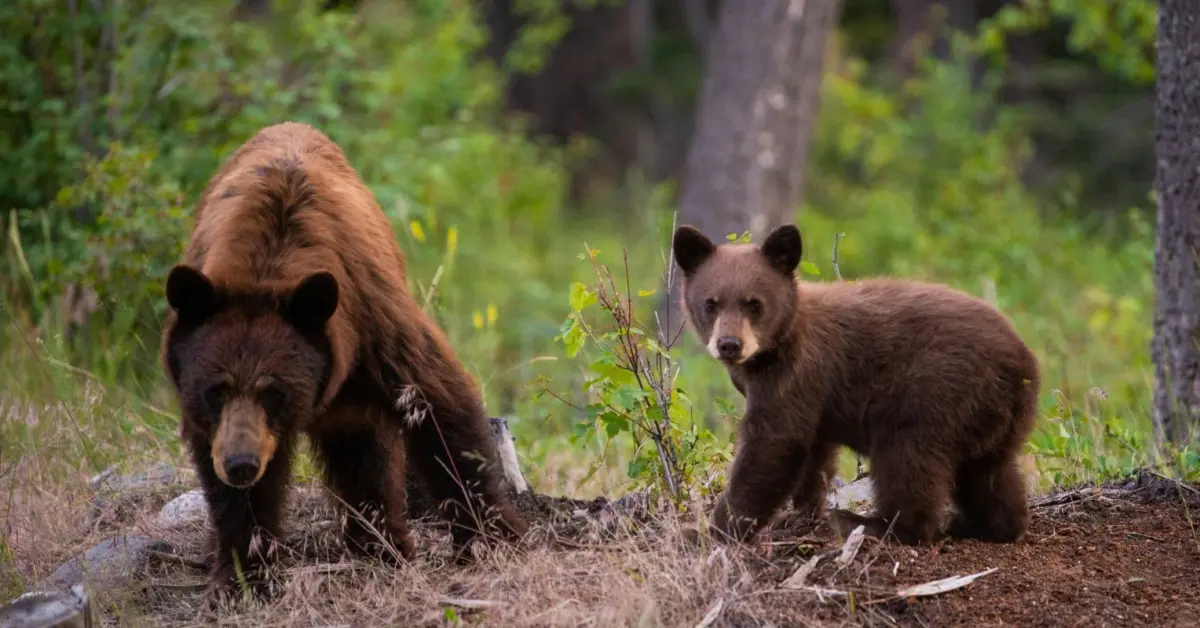
Leading the charge against the measure is Colorado Governor Jared Polis, who has emerged as a prominent critic of the amendment. Urging residents to defeat the proposal at the ballot box, Governor Polis recently emphasized the diverse and inclusive nature of Colorado’s natural spaces.
"Colorado’s outdoors are extraordinary precisely because so many of us enjoy them in different ways," Governor Polis stated in opposition to the amendment. "We should keep expanding outdoor recreation opportunities in a sustainable way, protecting wildlife, and finding compromises that work for everyone—not picking constitutional favorites. I urge Coloradans who hunt, fish, hike, bike, or simply love our wildlife to vote ‘no’ on Amendment 83."
The debate over Amendment 83 arrives against the backdrop of a broader, global conversation regarding anthrozoology—the scientific study of human-animal relationships. From household pets and companion animals to wild neighbors and distant wildlife, human interactions with the animal kingdom remain fraught with ideological division. In Colorado, these tensions are particularly acute, with community attitudes and values spanning the spectrum from dedicated efforts toward peaceful, compassionate coexistence to aggressive measures aimed at harming and killing native species. Because similar legislative and cultural battles are unfolding in numerous other states and countries, Colorado’s vote on Amendment 83 serves as a prominent real-world case study on the complex global dynamics of human-wildlife coexistence.
A web search for information regarding the ballot measure reveals a deeply polarized public response, ranging from unconditional support and bravado to outright disgust and vehement opposition. Yet, critics note that a critical element is largely absent from the arguments put forward by those favoring the amendment: a serious discussion regarding animal sentience, suffering, and the emotional lives of the nonhuman victims caught in the crosshairs.
The Importance of Animal Sentience and the Emotional Lives of Animals
At the heart of the opposition to Amendment 83 is the science of animal sentience—the proven capacity of animals to feel and experience subjective states. Sentience encompasses the ability to experience physical sensations, emotional distress, and psychological suffering. Observers and animal behavior experts point out that if the targeted animals themselves could vote on the amendment, their response would be a unanimous and resounding rejection. From this perspective, the proposal is viewed as inherently one-sided and fundamentally unfair to the species it impacts.
Critics argue that Amendment 83 could effectively function as a constitutional right to inflict intentional physical and psychological cruelty by reviving "traditional methods" that were explicitly restricted by voters decades ago because of the immense pain they cause. These contested methods include steel-jaw traps, snaring, poisoning, using packs of dogs to chase targeted wildlife, and baiting animals to facilitate their killing. Furthermore, the amendment would permit the hunting of bears in and around their dens, a practice that puts pregnant females and vulnerable dependent offspring at direct risk.
Historical precedent in Colorado underscores the public’s past rejection of these exact practices. Spring bear hunting, for instance, was banned by voters in 1992—a generation ago—because it routinely resulted in the deaths of lactating females, leaving dependent cubs unable to survive on their own. Just four years later, in 1996, Colorado voters enacted strict limitations on the use of steel-jawed traps, snares, and poisons, recognizing the unnecessary agony these devices inflict.
Behavioral science demonstrates that dogs are highly sentient beings, but they do not hold a monopoly on complex emotions. Wild animals slated as targets under the amendment—including wolves, cougars, black bears, beavers, and many others—possess rich emotional lives. Their experiences span a wide range of feelings, from joy and curiosity to profound fear, grief, anxiety, and extreme physical suffering.
Examining these practices through the lens of domestic animals often brings the reality of the situation into sharper focus. Many individuals who engage in trapping and hunting also share their homes with canine companions. While dogs do not inherently suffer more than their wild counterparts, reflecting on how a family dog would respond to being hunted, trapped, snared, or poisoned bridges what researchers term the "empathy gap." Recognizing dogs as a "gateway species" for empathy can help expand human compassion to include nonhuman wildlife, fostering a broader cultural movement toward peaceful coexistence.
Language also plays a significant role in how these activities are framed in the public sphere. Hunters and trappers frequently use sanitized terminology, referring to the killing of animals as "harvesting"—as though they were casually gathering agricultural crops. Other terms, such as "cull" or "dispatch," are similarly employed to distance participants from the reality of taking a life. Opponents argue that these linguistic choices obscure the fundamental truth: animals are not unfeeling objects meant to be casually processed. If one wishes to harvest an organism, critics suggest, it should be corn, not sentient wildlife.
The core philosophical question raised by opponents is whether an individual would apply these standards to their own pets. If one would exclude a family dog from a list of creatures subjected to violent, painful deaths, consistency demands that the same standard be extended to wild animals that experience an equally painful trajectory toward death.
Working for Compassionate Coexistence
Factoring animal sentience into modern wildlife management is not viewed by proponents of humane coexistence as a radical ideological shift, but rather as a scientifically grounded, decent gesture that recognizes the intrinsic value of these animals. Because the understanding of animal emotions is firmly rooted in modern behavioral science, advocates argue that any policy claiming to "follow the science" must account for the emotional capacities of wildlife.
As Colorado approaches the November 2026 vote, advocates for compassionate coexistence maintain that the state can establish a more enlightened standard for managing human interactions with its natural environment. By prioritizing policies that respect the well-being and quality of life of native species, communities can foster a more balanced relationship with the natural world. Moreover, public health and psychological research increasingly indicates that working to protect nonhuman animals yields tangible benefits for human well-being, creating a mutually beneficial outcome for both people and wildlife.