Platforms operating at the intersection of long-term travel and remote employment are redefining how location-independent entrepreneurs and professionals live on the road. Among these, global networks of shared living spaces have grown significantly, offering an alternative to traditional short-term rentals and standard tourist accommodations. A recent stay at one such location in Bordeaux, France, highlights both the evolution of these environments and the persistent challenges that travelers face when trying to maintain productivity far from home.
What is Outsite?
Founded in 2015 with a single house in Santa Cruz, California, designed to cater to surfers who needed to maintain professional obligations, Outsite has expanded into a global network boasting more than 5,000 members and approximately 50 locations worldwide. The enterprise operates as a specialized ecosystem of coliving and coworking spaces tailored specifically to remote workers, freelancers, and location-independent entrepreneurs.
The operational model accommodates both casual bookings and recurring members, though membership tiers grant access to supplementary benefits and preferred rates. The platform utilizes a tiered financial structure, offering an annual membership fee alongside a lifetime subscription option. Members receive access to an array of perks, including inventory reserved exclusively for members, introductory complimentary weeks in newly launched destinations, substantial discounts on extended stays, promotional flash sales, regional mixers, and internal professional boards.
Booking a stay follows a streamlined digital process. Users navigate an online portal, applying filters based on geographic destination or environmental preferences, such as coastal, urban, or mountain settings, before securing private accommodations.
How Does Outsite Work?
Operating on a hybrid model that merges elements of a boutique hotel with a professional workspace, the platform primarily centers on the rental of private bedrooms. While the majority of these rooms feature en-suite bathrooms, certain budget-conscious options incorporate shared bathroom facilities shared with a single other guest.
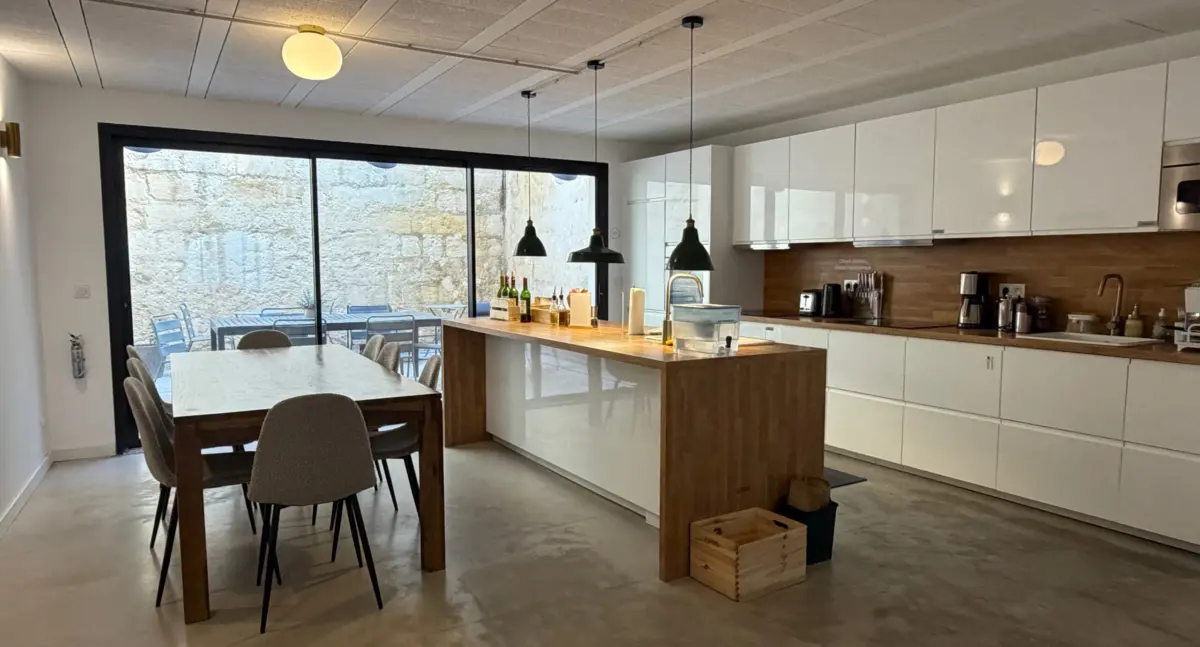
Beyond individual rooms, the properties emphasize expansive, professionally designed communal areas. These include fully equipped chef-style kitchens furnished with amenities rarely found in standard rental apartments, alongside large living rooms, outdoor patios, and, depending on the property, rooftop decks or swimming pools.
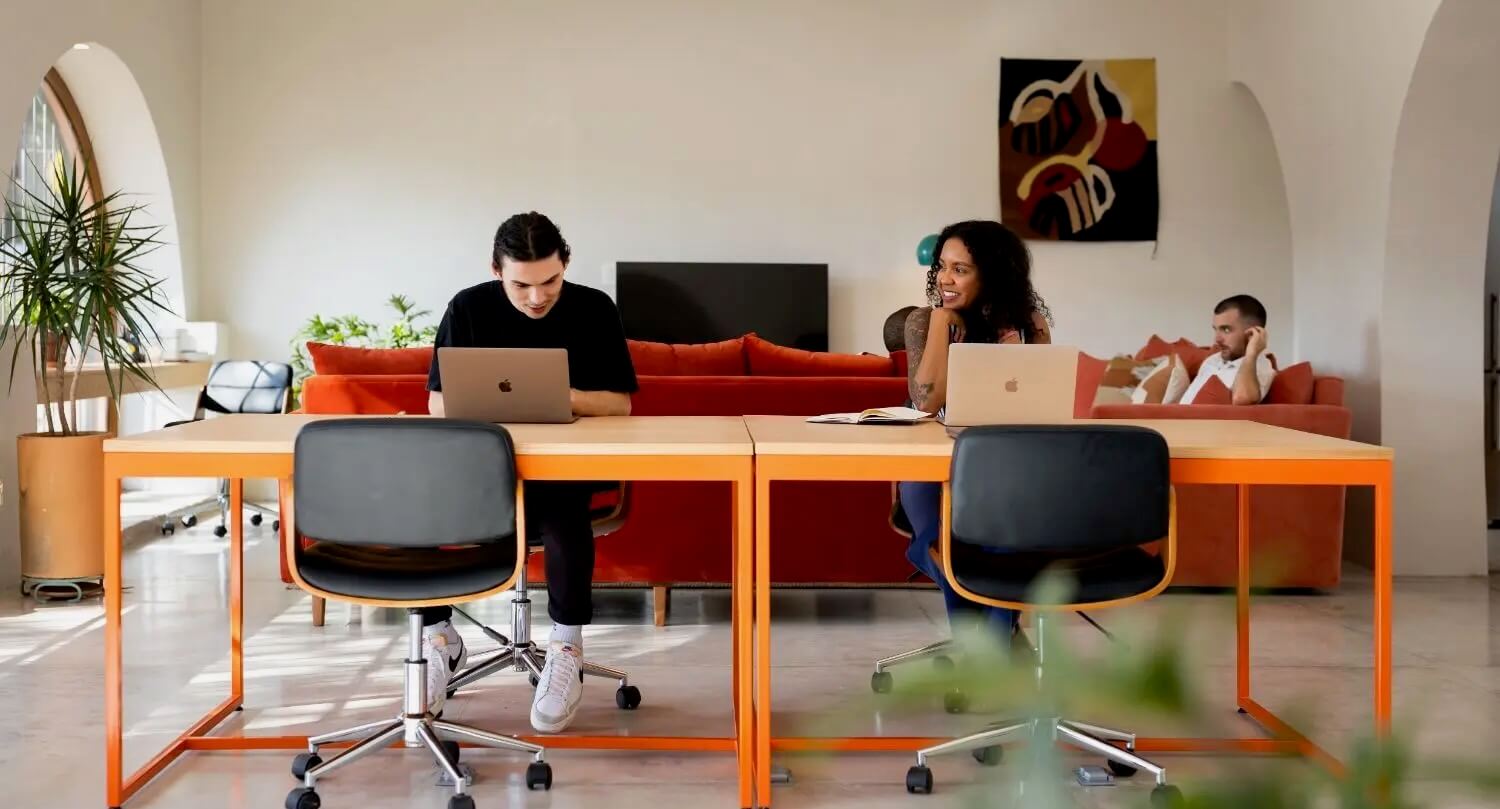
A defining characteristic of these spaces is the integration of dedicated coworking facilities directly within the residential footprint. Rather than requiring residents to seek external offices or local cafes, the houses provide ergonomic seating, ample electrical access, external monitors, and high-speed enterprise-grade internet connectivity. This infrastructure allows residents to transition from waking hours to deep professional focus within minutes.
Furthermore, properties maintain a social framework overseen by a dedicated community manager. Prior to arrival, guests are integrated into local messaging channels, while on-site personnel organize recurring events ranging from family-style communal dinners and weekend excursions to regional food tours and wellness sessions. The community manager also functions as a localized resource, providing insider recommendations and logistical support throughout a guest’s stay.
What I Like About Outsite
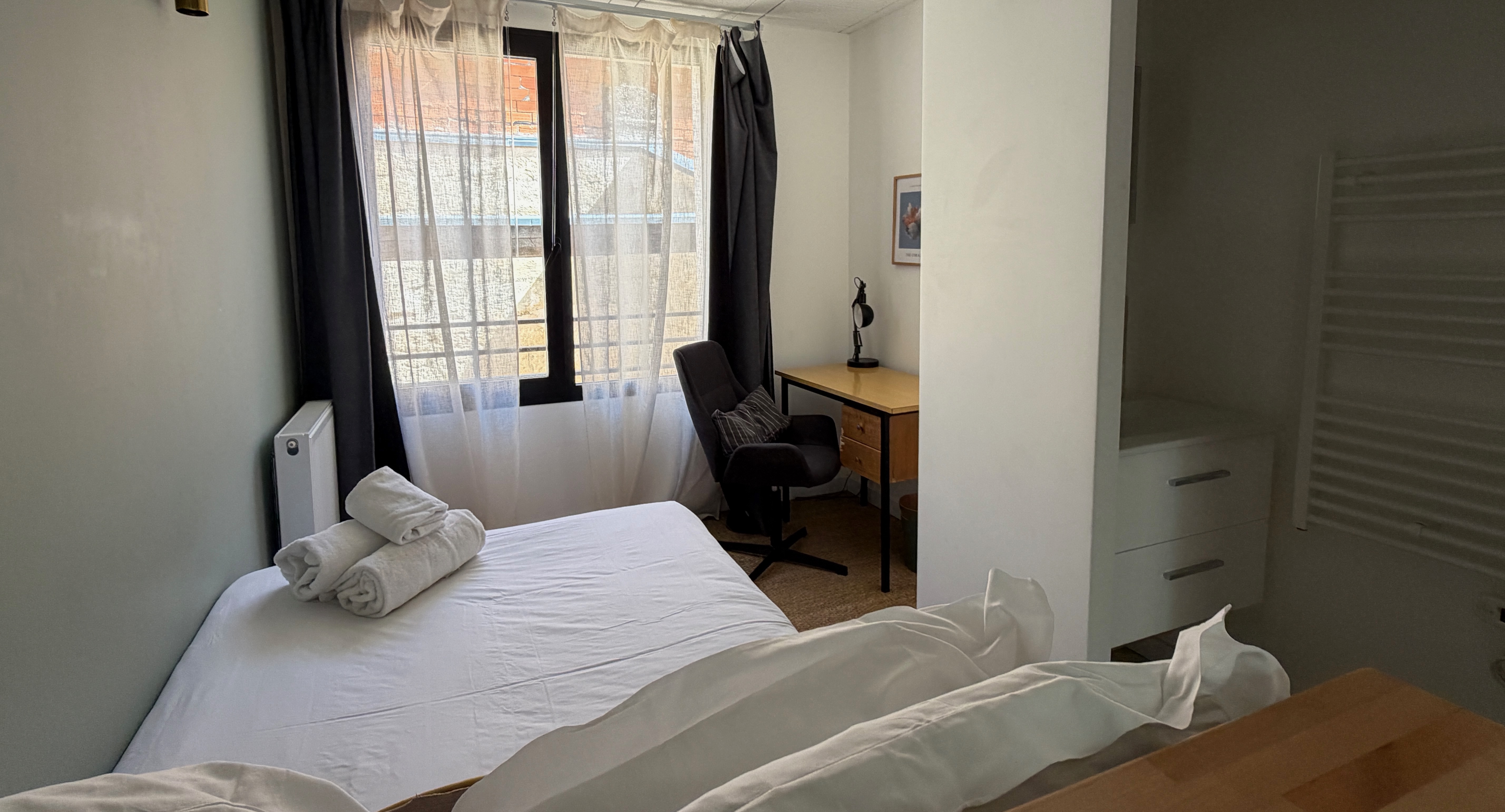
Evaluating the properties reveals a strong emphasis on contemporary interior design, incorporating natural light, indoor foliage, and regional art to distance the environment from the clinical atmosphere typically associated with corporate hospitality. In Bordeaux, the residence featured modern furnishings, robust laundry facilities, and an on-site fitness area. Individual rooms provided dedicated workspaces and high-quality bedding, alongside bathrooms noted for exceptional water pressure.
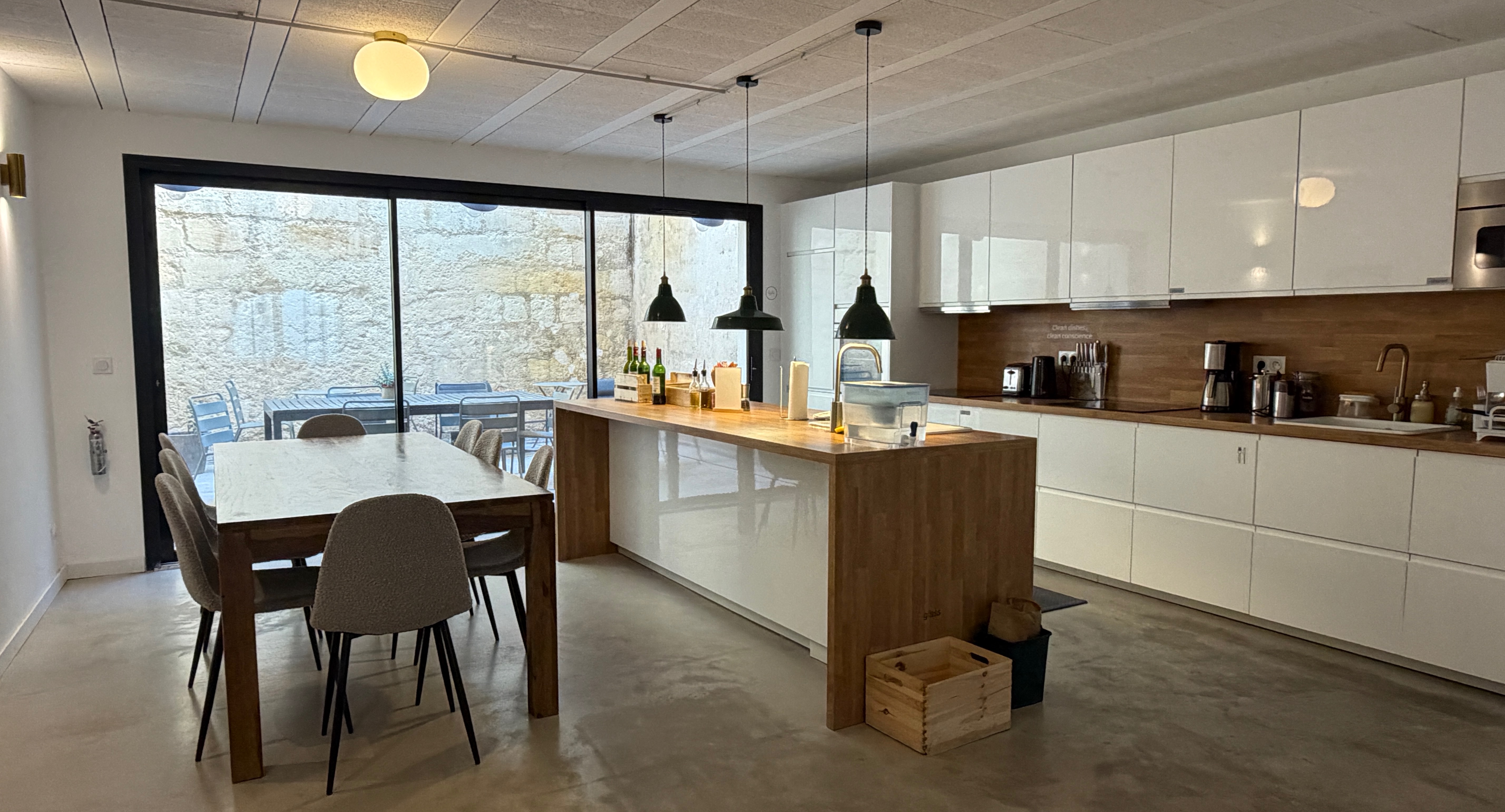
The shared kitchen facilities benefit from daily professional cleaning services and generous counter space, supported by complimentary provisions of coffee and tea.
However, the primary differentiator for many residents remains the social architecture of the experience. Traditional remote work in hotels or isolated apartments frequently leads to professional isolation, making meaningful connections difficult to establish. Within these communal spaces, residents are surrounded by peers who share similar lifestyle trajectories and understand the dual demands of maintaining a career while traveling. Because stays often extend across multiple weeks, structured weekend activities and shared living arrangements foster a distinct sense of community that contrasts sharply with transient backpacker environments.
Things to Think About
Despite the advantages, the model presents distinct limitations for certain segments of the travel market. The pricing structure is positioned well above traditional budget backpacker accommodations, reflecting the premium placed on private rooms, reliable workspaces, and curated community events. Nevertheless, when factoring in the cumulative expenses of renting a private apartment and purchasing a separate monthly membership at a commercial coworking space, the total cost often aligns comparably.
Additionally, high demand for popular properties creates logistical constraints for spontaneous travel. Peak seasons in sought-after destinations, such as Lisbon during the summer months or Costa Rica during the winter, require reservations several months in advance, limiting schedule flexibility for travelers accustomed to last-minute planning.
Frequently Asked Questions About Outsite
Membership is not a strict prerequisite for booking, as non-members are permitted to reserve stays. However, for extended or frequent travel, the annual membership fee frequently offsets itself through reduced nightly rates.
Age restrictions align with standard hospitality guidelines, requiring guests to be at least 18 years of age, with certain properties enforcing a minimum age of 21. The demographic composition predominantly spans working professionals in their late twenties through their forties, distinguishing the atmosphere from traditional youth hostels.
Minimum stay requirements vary by property. While most locations permit stays as brief as two nights to accommodate weekend travelers, specific urban markets subject to strict local housing regulations mandate extended stays of thirty days or more.
Regarding animal policies, communal living arrangements and shared kitchens generally preclude the admission of pets across the network to maintain environmental standards and prevent potential allergy conflicts among residents.