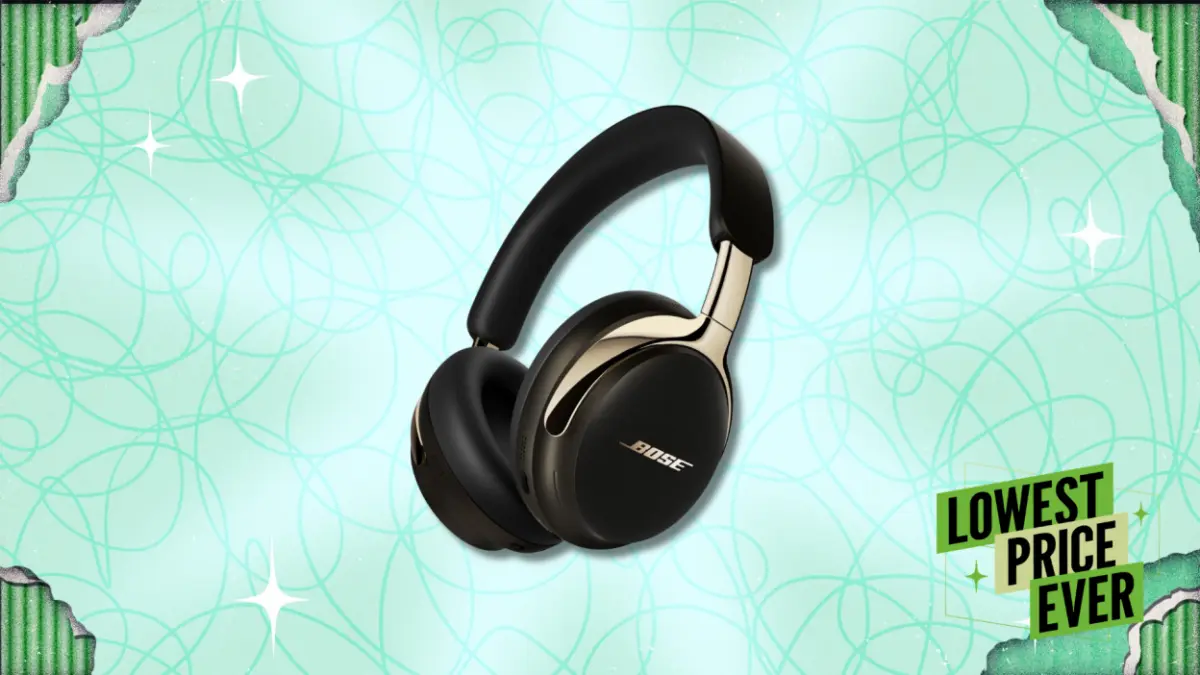
This $80 discount represents the lowest price to date for the second-generation model. It arrives at a time when competition in the high-end audio space is fiercer than ever, notably intensified by rival releases such as Sony’s flagship WH-1000XM6 headphones. For consumers on the fence about investing in high-end active noise cancellation, the substantial price cut helps bridge the gap, making Bose’s signature mix of comfort, immersive spatial audio, and industry-leading noise isolation much easier to justify during the ongoing sales event.
While the original Bose QuietComfort Ultra set a high bar, Bose has largely kept the winning formula intact for this second generation. Buyers can still expect the same thoughtfully engineered over-ear design, complete with plush padding and a firm yet comfortable clamping force that ensures a secure and cozy fit for long listening sessions. The most noticeable aesthetic and structural tweak in this iteration is a shift in the frame’s finish, which now boasts a glossy metal treatment instead of the traditional matte look. This subtle design update gives the headphones a slightly more upscale appearance without altering how they actually feel on the head or modifying their ergonomics.
Beneath the surface, the feature set is broad, polished, and largely well-executed. The second-generation headphones offer robust support for Bluetooth 5.4, complete with multipoint pairing capabilities. This crucial connectivity feature allows users to remain simultaneously tethered to both a laptop and a smartphone, eliminating the constant friction of dropping and re-pairing connections when juggling work calls and media consumption. Furthermore, Bose has included a wired USB-C connection option, which unlocks true lossless audio playback—a thoughtful inclusion that many prominent competitors continue to omit from their spec sheets.

Daily usability has also received subtle, highly practical refinements. The headphones feature smart sensors that power on automatically the moment you put them on your head, and they seamlessly slip into a low-power standby mode when laid flat. It is a small quality-of-life upgrade that users tend to notice and appreciate almost immediately in daily operation. Battery life remains solidly competitive, rated at approximately 30 hours of continuous playback with active noise cancellation enabled, putting them right in line with the industry average for premium over-ear models. Additionally, Bose continues to support simultaneous charging and listening through the USB-C port, a remarkably practical addition for marathon work sessions or extended travel days.
When it comes to real-world performance, the active noise cancellation holds up exceptionally well across a wide variety of demanding environments. Reviews indicate that the technology effortlessly takes the edge off the persistent low-frequency rumble of airplane cabins, dampens the mechanical drone of city bus engines, and pushes background café chatter far enough into the background that listeners can maintain their focus without constantly cranking up the volume.
The acoustic profile continues the brand’s tradition of delivering a rich, bass-forward soundstage while managing to keep vocals and fine details remarkably intact. Tracks featuring heavy low-end frequencies, such as modern electronic music or hip-hop, come through with considerable depth and punch without muddying the rest of the mix. Vocals remain full and clear, though critics note that a slightly recessed midrange means certain instruments, like electric guitars, do not cut through the mix quite as sharply as they might on more analytically tuned studio monitors.
While the companion smartphone application provides useful preset adjustments and granular control over noise cancellation modes, some users may find the included three-band equalizer somewhat limiting if they prefer deep, highly customized sound profiling. Nevertheless, with an unprecedented $80 discount during Amazon’s October Prime Day event, the second-generation Bose QuietComfort Ultra Headphones present a compelling value proposition for anyone looking to upgrade their personal listening setup.