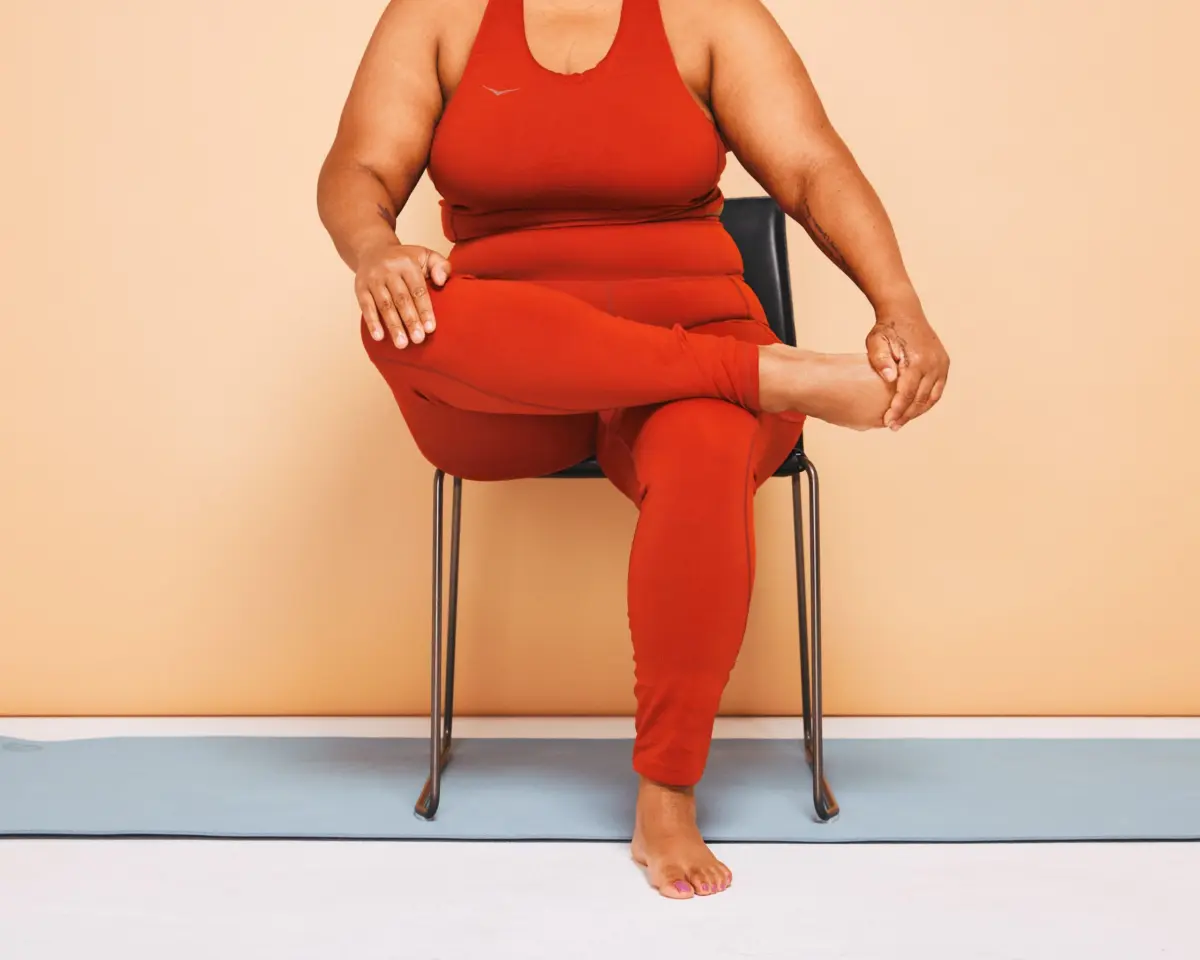
Integrating chair-based exercises into a daily routine offers a surprisingly effective and exceptionally convenient way to activate abdominal muscles, particularly after spending extended periods sitting down. For many individuals, transitioning from hours of desk work to a brief, focused movement session using the furniture already at hand removes common barriers to physical activity.
Fitness professionals emphasize that the chair serves as an exceptionally smart exercise prop, especially for individuals who are relatively new to structured physical fitness. Many common core-strengthening movements—such as standard push-ups, traditional planks, and high-intensity mountain climbers—can be made significantly more accessible and less intimidating by elevating the hands onto a sturdy chair rather than placing them directly on the floor. This elevation alters the mechanics of the movement, reducing the load while still demanding high levels of muscular engagement.
Furthermore, utilizing a piece of furniture like a chair provides crucial tactile feedback that can substantially boost overall core activation. For instance, fitness instructors frequently utilize a foundational movement known as the transversus abdominis bracing drill, or the TA bracing drill. This simple yet highly effective core exercise is often prescribed by trainers such as Becca Revier, a personal trainer and Pilates instructor at Life Time Lakeville in Minnesota, who has clients perform the drill while seated in a chair.

The primary purpose of using a chair in this context is to help practitioners hone their ability to consciously fire up the transversus abdominis. This deep, internal core muscle acts as a natural corset, wrapping around the midsection to stabilize the spine and pelvis. The chair plays a key role in the exercise by offering a tangible, stable surface that provides physical support for maintaining optimal posture and form.
Beyond assisting beginners, chair-based core exercises are exceptionally valuable for individuals who want to strengthen their midsections but cannot, or simply prefer not to, get down onto the floor. This demographic encompasses a wide range of people, including older adults, individuals with specific mobility limitations, or anyone working out in an environment where floor space is less than ideal. Essentially, incorporating a chair into a core routine democratizes fitness, making essential abdominal and stabilizing exercises far more accessible to a broader population of people with diverse physical needs.
To demonstrate this versatility, fitness experts have curated a selection of foundational chair-based movements that can be performed easily at home. These exercises can be integrated into a daily schedule in multiple ways. They can be executed as isolated, single movements taken as quick movement breaks between virtual meetings to inject more core-focused activity into a sedentary day. Alternatively, they can be strung together sequentially to form a comprehensive, full-body circuit workout.
Fitness professionals suggest a measured approach when starting out. Katie Pierson, a certified personal trainer based in Montana, recommends that individuals begin with a manageable volume—specifically three sets of eight to ten repetitions for each exercise. Over time, as baseline strength and muscular endurance improve, participants can gradually increase the volume to challenge their bodies further.

However, safety remains a paramount concern when utilizing furniture for physical training. Experts issue a strict warning regarding the type of furniture selected for these routines. Practitioners must always use a stable, stationary chair for any movement that involves weight-bearing or dynamic motion. Rolling office chairs equipped with swivel mechanisms or caster wheels are explicitly deemed unsafe choices for these activities. Selecting a heavy, unmoving dining chair or a solid armless desk chair ensures that the support structure remains firmly in place, keeping the exerciser safe and properly positioned throughout every repetition.
1. Elevated Push-Up
While the elevated push-up is technically classified as a compound, full-body exercise, fitness specialists describe it as essentially a dynamic plank movement. Because it shares the core mechanics of a plank, the exercise places a tremendous amount of emphasis on the abdominal muscles.
During the execution of an elevated push-up, the core musculature works intensively to stabilize the spine against gravitational forces while the upper body completes the pressing motion. Trainers advise practitioners to pay close attention to pelvic alignment throughout the movement. Maintaining a neutral pelvis—meaning the lower back is neither excessively arched nor rounded—is essential for maximizing the exercise’s abdominal benefits. Additionally, drawing the belly button inward and upward toward the spine ensures optimal engagement of the deep stabilizing muscles, preventing the lower back from absorbing unwanted strain.
2. Mountain Climber
The elevated mountain climber represents another variation of the dynamic plank. In this movement, the core must activate aggressively to maintain spinal stability while the legs alternate in a rapid, driving motion.

Proper form requires the practitioner to actively pull their shoulders down and back, preventing them from hiking upward toward the ears during the exertion. As each knee drives upward toward the chest, the practitioner should consciously draw the belly button inward. This action creates a controlled, mini-crunch sensation within the abdominal wall with every single repetition. Furthermore, maintaining complete stability in the hips is critical; the pelvis should remain level and steady, avoiding any side-to-side rocking motion. This strict lateral control is what allows the exerciser to deeply connect with and recruit the transversus abdominis.
3. Chair Squat
Although traditional squats are widely recognized as a premier lower-body exercise for strengthening the quadriceps, hamstrings, and glutes, they also deliver a significant amount of covert core work. The abdominal muscles must fire continuously to support and maintain upright posture throughout the entire range of motion.
Incorporating a chair into the squat movement serves a dual purpose by actively enforcing proper biomechanical form. The presence of the chair encourages the exerciser to correctly hinge at the hips and push them backward onto the seat, rather than allowing their body weight to shift forward onto the knees as they bend the joints.
To maximize the postural benefits of the movement, trainers recommend adjusting the focal point of the gaze. Instead of looking down at the feet—a common error that causes the torso to round forward—practitioners should gaze straight ahead, as if watching a television screen. This simple adjustment naturally helps keep the chest elevated and facilitates deeper engagement of the transverse abdominis throughout the exercise.

4. Single-Leg Squat to Chair
As a more advanced progression of the standard chair squat, the single-leg variation requires the practitioner to execute each repetition relying entirely on the strength and stability of a single lower limb. This unilateral element dramatically increases the demand on the core muscles.
When operating in a single-leg stance, the human body naturally tends to tilt or wobble off balance. The core must respond by working overtime to counteract these forces and keep the torso upright and stable. While this movement is challenging, utilizing a chair provides an inherent layer of protective stability that makes the exercise far more approachable than performing a pistol squat suspended in open space. Sitting safely down into a structured seat offers a reliable endpoint and a secure landing zone, making advanced unilateral leg training significantly safer for home practitioners.
5. Alternating Cross Crunch
The alternating cross crunch performed in conjunction with a chair places a specialized emphasis on the oblique muscles, which are located along the lateral sides of the torso. This rotational movement requires focused coordination between the upper and lower body.
To maximize the effectiveness of the exercise, fitness instructors advise practitioners to exhale purposefully as they bring an elbow toward the opposite knee. This intentional breath control helps deepen the muscular contraction, ensuring that the obliques and surrounding core stabilizers are fully recruited with every repetition. By blending functional movement with targeted abdominal engagement, chair-based routines offer a practical, efficient pathway to sustained core strength for individuals at any fitness level.