The queue at the local Starbucks last week was much like any other: a routine morning pilgrimage for caffeine, populated largely by patrons fresh from morning workout classes. As I stood waiting for my chai latte, clad in a crisp button-up shirt, a colorful silk scarf, my favorite denim, a pair of sleek kitten heels, and my signature hoop earrings, I caught the unmistakable side-eye from a woman standing nearby. She was dressed in athletic leggings and a cropped t-shirt, giving me the exact sort of incredulous look one might reserve for an eccentric individual who mistakenly showed up to a casual backyard barbecue in a full ball gown.
It is a look I know intimately; I have encountered it on numerous occasions. Without words, the expression asks a very specific question: "Where on earth do you think you are going dressed like that?"
My honest answer, nearly every time, is simple: "Nowhere."
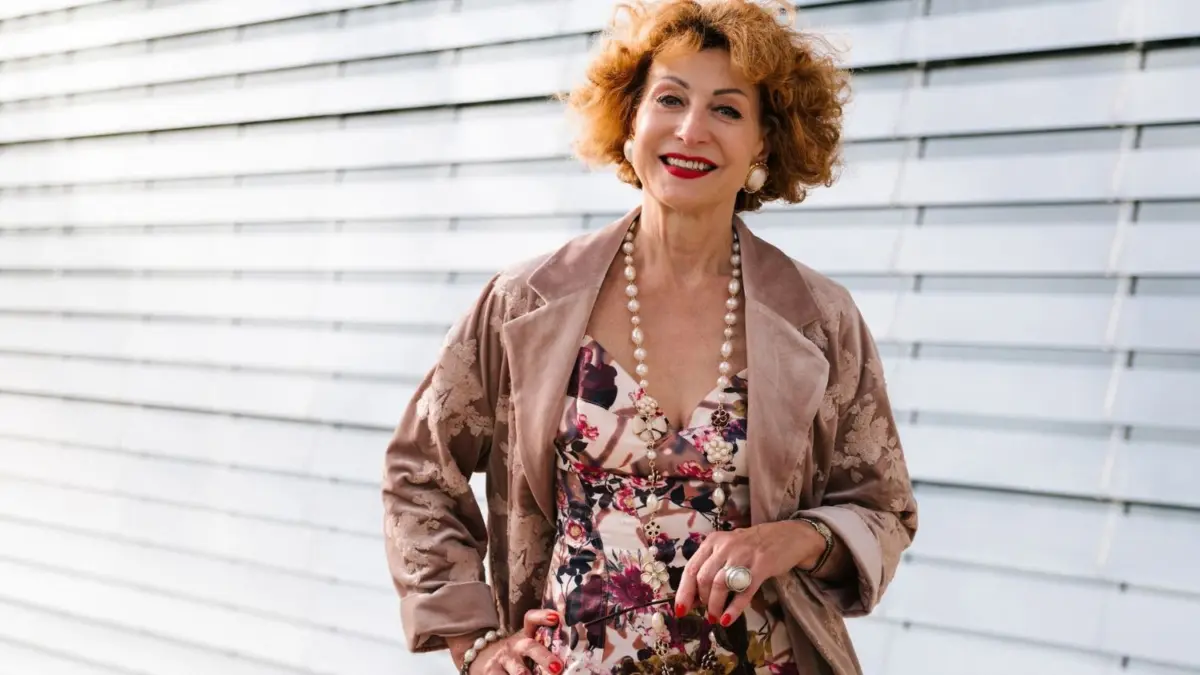
As a former fashion editor and a lifelong devotee of great style, I have always preferred to dress "up." For me, clothing has never merely been a utilitarian shield against the elements or a basic necessity of daily life. Instead, I view garments as a vibrant medium for personal expression—an opportunity to tap into the innate creativity of pulling together a thoughtful outfit that instantly elevates my mood and frames my outlook for the day. Yet, in an era where hyper-casual comfort has become the default setting for public life, making an effort simply for the sake of one’s own enjoyment has increasingly become an act of subtle rebellion.
Blame It on Zoom
To understand how we arrived at this cultural crossroads, one only needs to look back over the past decade and examine the massive shifts in how society lives, works, and interacts. Over recent years, casual attire has firmly cemented itself as the prevailing standard for everyday style across nearly all demographics.
The origins of this shift are hardly a mystery. The world underwent a profound disruption when global events forced widespread shutdowns, transitioning traditional office work into remote setups overnight. Living rooms became boardrooms, professional networking shifted to digital conference calls, and humanity began interacting primarily through glowing computer screens—frequently with cameras turned off entirely. In that environment, the boundaries between sleepwear, leisurewear, and professional clothing dissolved rapidly. Comfort reigned supreme out of sheer necessity, and once those relaxed habits took root, society as a whole proved remarkably reluctant to shake them off.
A Lifetime of Dress Codes We Didn’t Write
Yet, looking at this modern landscape through the lens of a mature woman reveals a deeper historical context regarding how generations of women have related to dress codes. Reflecting on the style journeys of women in my age cohort, the contrast is stark. Our mothers routinely squeezed into girdles just to run routine errands at the grocery store—literal girdles worn for nothing more strenuous than pushing a shopping cart up and down a supermarket aisle.
We came of age right behind them, marching bravely into the workforce of the 1980s where we power-dressed our way through corporate corridors wearing structured shoulder pads, restrictive pantyhose, and towering pumps. The unspoken rule of that era was clear: if we wanted a legitimate seat at the executive table, we had better look polished, powerful, and undeniably like we belonged in the room. Furthermore, we routinely "fixed up" our appearances for social parties and family events as a fundamental sign of respect for our hosts. Stepping outside our front doors without a full face of makeup or a carefully curated ensemble was practically unthinkable because we had been carefully programmed to always present our absolute best selves to the world.
For the vast majority of our adult lives, someone else was diligently setting the dress code for us. Whether it was the watchful eye of our mothers, the rigid expectations of corporate America, or the deeply ingrained cultural rulebook that inextricably tied a woman’s outward appearance to her professional and social success, we rarely dressed purely for ourselves.
Consequently, when women reach their later years—a stage of life where formal careers wind down and cultural expectations loosen their grip—the external pressure to dress up finally fades away. For the very first time in our adult lives, nobody is grading our outfits. And when nobody is grading your daily presentation, you are suddenly granted a profound choice: you can either completely shelve your personal style, or you can choose to wear it with absolute conviction.
The Uniform of Surrender
Observing modern public spaces, it becomes clear that a great many women are choosing to let style go entirely. Describing this phenomenon is not intended as an insult, but rather as an accurate observation of a widespread cultural shift.
One frequently encounters what can only be described as the uniform of surrender: stretched-out yoga pants paired with a torn half-zip fleece, or promotional t-shirts matched with ill-fitting clam-digger trousers that possess the unfortunate optical capability of making even a tall woman look as though she is standing deep inside a hole in the ground. Undeniably, these looks prioritize comfort, which has become an absolute requirement for modern daily living. However, if one is entirely honest, these choices often represent a subtle form of giving up on oneself, conveniently reframed under the modern banner of self-care. That approach simply does not resonate with my personal philosophy.
Choosing the Other Direction
Because of this, I am consciously choosing to move in the opposite direction. I do not dress up because I am harboring some futile desire to look younger, nor do I do it because I possess disposable income to burn on fleeting fashion trends. Rather, it is a deliberate decision made on any given day, even when I have absolutely nowhere to be, to present myself to the world as the woman I actually am right now: vibrant, engaged, and very much still in the game of life.
Naturally, I can easily anticipate the opposing argument, largely because I would likely make it myself if I were standing on the other side of the issue. After decades of enduring the physical toll of pantyhose, stiff blazers, and unforgiving underwire, women have undeniably earned the absolute right to absolute comfort. The logical question follows: having finally earned the right to opt out of restrictive clothing, why wouldn’t a woman take advantage of it?
It is a fair and understandable point. However, true comfort and the desire to look like a person who is still actively paying attention to her own life do not have to be mutually exclusive concepts.
So yes, I may very well have been overdressed for a casual neighborhood coffee shop filled with patrons relaxing after their Pilates classes. And it is entirely likely that I will find myself similarly overdressed again this week for some other thoroughly unremarkable errand. But I spent the first half of my life dressing primarily to satisfy other people’s expectations and approval. I want this next phase of my journey to be entirely for me. If that means a stranger in leggings casts a humorous, questioning glance in my direction, I can comfortably live with that outcome. I will simply be the woman who looks like she has somewhere fabulous to be, even when the only item on the day’s itinerary is running routine local errands.
Let’s Have a Conversation:
Does style matter to you in your daily life? Have you ever been on the receiving end of the "Where do you think you’re going?" look from a stranger? What do you ultimately believe is more important—prioritizing physical comfort for the sake of ease, or expressing your authentic identity in a way that makes you feel proud and confident about yourself?