While specific production details, casting announcements, and release date targets remain to be announced by Focus Features, Eggers has already confirmed a key creative pillar of the upcoming project: the film will utilize Shakespeare’s original Early Modern English rather than attempting to modernize the dialogue for contemporary audiences. This commitment to the playwright’s original text places Eggers’s upcoming endeavor in an interesting lineage of cinematic adaptations, signaling that while the visual style and directorial tone will likely bear the filmmaker’s trademark haunting aesthetic, the linguistic integrity of the 16th-century masterpiece will be preserved.
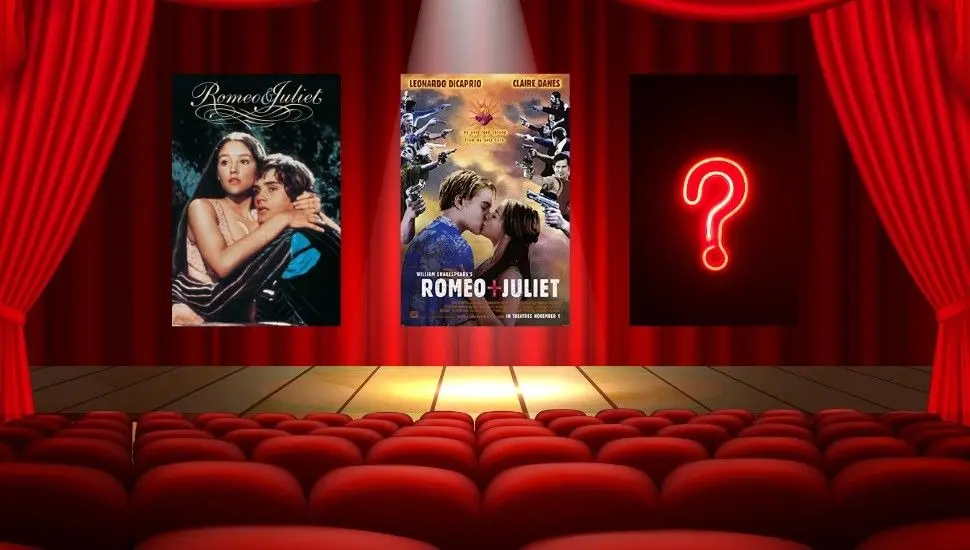
The roughly 30-year cultural cycle of major cinematic Romeo and Juliet adaptations is a well-documented phenomenon in film history. Every three decades, Hollywood reinterprets the play to reflect the anxieties, aesthetics, and romantic ideals of the youth demographic of that era. In 1968, director Franco Zeffirelli delivered a lush, historically grounded, and visually breathtaking adaptation that cast teenage actors Olivia Hussey and Leonard Whiting, capturing the earnestness and raw emotional vulnerability of youth against a sun-drenched Italian backdrop. That film resonated deeply with the counterculture generation of the late 1960s, becoming the definitive version of the play for decades and earning multiple Academy Award nominations.
Exactly twenty-eight years later, in 1996, visionary Australian director Baz Luhrmann shattered traditional expectations with William Shakespeare’s Romeo + Juliet. Set in the hyper-stylized, gun-toting urban sprawl of "Verona Beach," Luhrmann’s frantic, neon-soaked adaptation starred Leonardo DiCaprio and Claire Danes. Propelled by an iconic alternative rock soundtrack, fast-paced editing, and a brilliant juxtaposition of Shakespearean dialogue with modern weaponry and flashy fashion, Luhrmann’s film defined the cinematic landscape for Millennials and teenagers of the mid-to-late 1990s.
Now, nearly three decades after Luhrmann’s pop-culture phenomenon reshaped how a generation viewed classical drama, the cultural calendar has landed squarely on Generation Z. Enter Robert Eggers, a filmmaker celebrated for his obsessive historical authenticity, tactile set design, and ability to evoke dread and intense atmosphere. Eggers first burst onto the international film scene with The Witch, a Puritan-era folk horror film praised for its meticulous recreation of 17th-century vernacular and stark, unromanticized depiction of colonial life. He followed that breakout success with the nautical psychological descent The Lighthouse in 2019, the gritty Viking epic The Northman in 2022, and his ambitious reimagining of the classic vampire horror story Nosferatu.
Given Eggers’s body of work, his take on Romeo and Juliet is expected to lean heavily into the dark, fatalistic, and gothic elements inherent in Shakespeare’s text. While generations often remember the story as the ultimate romance, Shakespeare’s play is fundamentally a tragedy driven by blistering summer heat, street violence, generational feuds, impulsive decisions, and an inescapable sense of doom culminating in a devastating double suicide in a damp, shadowy crypt. Eggers’s proven talent for crafting immersive, historically grounded, and emotionally heavy worlds suggests an adaptation that strips away the romantic gloss often associated with high school curriculum productions, returning the material to its gritty, Elizabethan roots.
Focus Features’ decision to back the project signals continued confidence in Eggers as both an auteur with a distinct visual signature and a filmmaker capable of delivering compelling cinema for prestige studios. As pre-production gets underway under the umbrella of Focus Features, film enthusiasts and literary scholars alike will be watching closely to see how the director translates his penchant for historical grit and psychological intensity into a definitive version of the classic play for today’s younger audiences.