
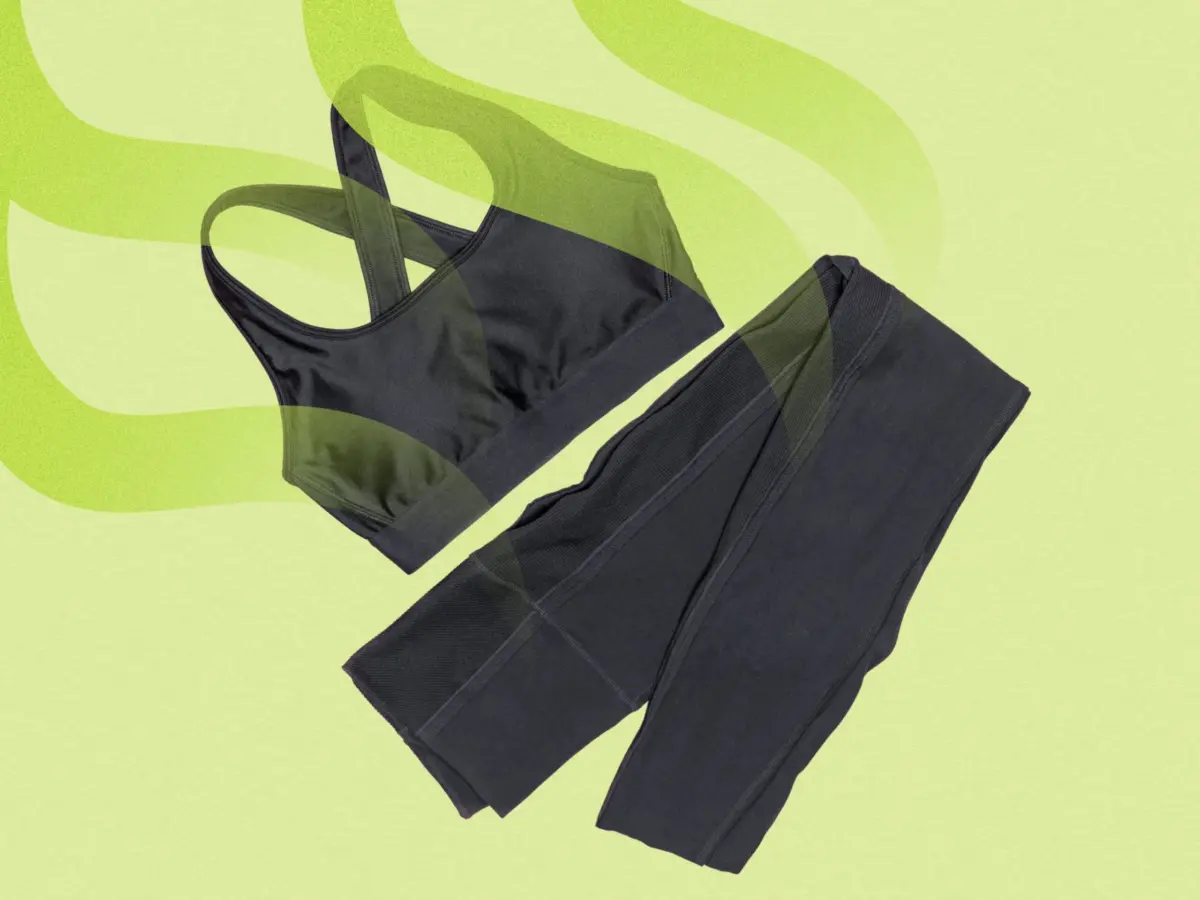
This line of thinking, often playfully referred to as "girl math," leads many individuals to let certain garments air out and rewear them at least once before washing. The underlying logic is straightforward: if a workout is short enough or gentle enough that it does not result in a heavy drenching of sweat, running an entire laundry cycle feels excessive. However, this common domestic habit raises a critical question regarding personal hygiene and skin health. Does stretching the lifespan of your activewear pose an invisible threat to your skin, or is this casual reuse practice entirely harmless?
To separate laundry folklore from dermatological reality, skin health experts have weighed in on what people should genuinely keep in mind when deciding whether their activewear belongs in the hamper or back in the drawer. The investigation into fabric hygiene reveals that the primary culprits behind post-workout skin issues are not necessarily the physical exertion itself, but rather a combination of sweat, lingering bacteria, and the specific materials hugging the body.
The Real Concern Is Sweat, Bacteria, and Acne
On its own, human sweat is remarkably innocuous. It is largely composed of water and electrolytes, and in its fresh state, it is virtually odorless. The complications begin when perspiration interacts with the microbiome of the skin—specifically, the naturally occurring bacteria that reside on the surface. When these bacteria mingle with sweat and are absorbed into the fibers of athletic garments, they begin to break down chemical compounds, which is what ultimately triggers unpleasant body odors and skin irritation.
The threshold for trouble is typically crossed when individuals remain in their damp, sweaty clothing for extended periods long after their physical activity has concluded. The extended duration of contact between the skin and contaminated fabric creates an environment where bacteria can thrive and cause localized dermatological concerns.
According to Brianna Olamiju, MD, FAAD, a New York-based dermatologist, the duration of exposure is a major factor in determining whether skin issues will develop. The longer bacteria stays in direct contact with the skin, the higher the likelihood that it can transition from a minor nuisance into something more troublesome.
One of the most frequent consequences of this exposure is acne. Medical professionals frequently treat patients who present with persistent breakouts concentrated across the chest, back, or shoulders. These individuals are often avid exercisers who maintain busy schedules, meaning they might finish a workout, transition directly to brunch, run errands, or otherwise find themselves unable to shower and change into fresh clothes immediately.
Unfortunately for those who hope to outsmart the system by removing their activewear and simply wearing it again the next day, dermatological science offers a sobering reality check. Bacteria does not magically vanish simply because a garment has been hung up to dry overnight. Traces of microbial life from a previous exercise session inevitably linger within the weave of the textile. When that garment is put back on, those residual bacteria are reintroduced to the skin, where they can readily provoke unpleasant odors, unexpected flare-ups, and surface irritation.
It Depends on Your Workout and Your Activewear
While the prospect of lingering bacteria might push cautious individuals toward immediate laundering, dermatologists note that not all exercise routines carry the same degree of risk. The intensity of the physical movement directly correlates with the amount of perspiration produced, meaning that the decision to reuse clothing can legitimately be calibrated based on the type of workout just completed.
High-intensity cardiovascular regimens—such as long-distance running, intense cycling classes, or heated yoga sessions—unambiguously warrant a fresh set of clothing for the next outing. These strenuous activities trigger profuse sweating, saturating the fabric and creating an ideal breeding ground for the microorganisms responsible for body acne and chafing.
Conversely, lower-intensity modalities occupy a different tier of risk. Practices such as restorative yoga, Pilates, or moderate walking generally generate significantly less sweat. Because individual physiology varies widely—with some people naturally perspiring far more profusely than others—the exact risk profile exists on a wide spectrum, but the general correlation between intensity and microbial accumulation remains consistent.
Beyond the nature of the workout itself, the specific construction and material composition of the athletic apparel play a massive role in hygiene management. Certain components of an outfit are far more critical to swap out than others. Intimate items and supportive undergarments require strict hygiene protocols regardless of how light the physical exertion felt. For women, changing out of a sports bra is considered an absolute essential between workouts. While an outer layer like a loose t-shirt might successfully escape immediate laundering after a light session, foundational garments like sports bras and underwear sit directly against high-friction, high-sweat areas of the body and should be swapped out without exception.
Furthermore, the textiles used to manufacture modern activewear influence how garments retain moisture and bacteria. The vast majority of contemporary workout clothing is fabricated from synthetic materials, most notably polyester. While synthetic fibers offer advantages in durability, stretch, and moisture-wicking performance, they also tend to trap sweat and oils within their microscopic structures, making them more hospitable to stubborn odors and bacterial growth.
In contrast, natural fibers like cotton are inherently more breathable. Cotton absorbs moisture differently and generally presents a lower risk profile if a wearer chooses to rewear a garment. However, finding high-performance activewear crafted entirely from cotton remains a challenge, as most technical apparel relies on synthetics to handle heavy athletic demands.
Hygiene Tips for Workout Wear
Navigating the line between environmental sustainability, convenience, and dermatological health requires a balanced perspective. When asked for the definitive medical stance on laundry frequency, dermatologists acknowledge a distinct gap between the ideal theoretical standard and practical everyday life.
The textbook medical recommendation is unequivocal: activewear should be washed after every single use to eliminate bacteria, dead skin cells, and accumulated sweat completely. However, skin health experts recognize that rigid perfection is rarely practical for busy lifestyles. Consequently, individuals are encouraged to exercise their own discretion, taking into account factors such as personal comfort, ambient temperature, and the specific intensity of their movement.
While washing after every wear remains the gold standard for maintaining pristine skin, there is undeniably some wiggle room for those who manage their post-workout routine thoughtfully. The key lies in understanding how garments are handled immediately after exercise. Allowing damp clothes to sit balled up in the bottom of a gym bag creates a stagnant, humid microclimate that accelerates bacterial proliferation exponentially. If a garment is destined for a second round of wear, taking steps to air it out immediately rather than sealing it away can mitigate some of the microbial buildup.
Ultimately, maintaining flawless skin does not require individuals to experience undue stress over every single clothing choice or minor deviation from a strict laundry schedule. Adopting a few sensible, skin-friendly habits can go a long way toward preventing breakouts and irritation without necessitating a massive surge in weekly laundry loads. When lingering doubts arise regarding the cleanliness or freshness of a particular piece of athletic gear, erring on the side of caution—and tossing it into the wash—remains the safest choice for the long-term health of your skin.