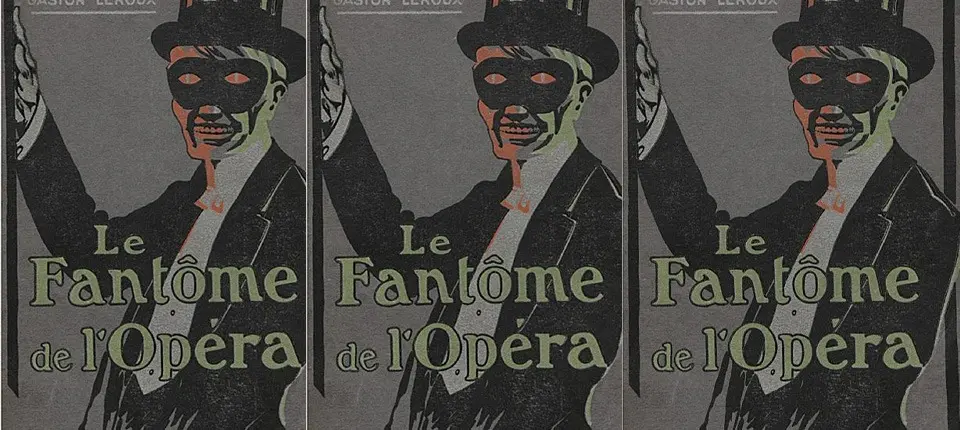
Today marks a monumental anniversary in the history of serialized fiction and gothic storytelling. On this day in 1909, Gaston Leroux’s classic thriller The Phantom of the Opera began its initial publication run, being serialized for the first time in the French daily newspaper Le Gaulois. Long before it became a global phenomenon on the theatrical stage and a silver-screen staple, the chilling tale of the masked musical genius haunting the Paris Opera House captivated early twentieth-century readers in digestible, suspenseful installments.
The practice of serializing novels in newspapers and periodicals was a dominant mode of literary consumption during the nineteenth and early twentieth centuries. Authors often wrote under immense pressure, crafting cliffhangers designed to drive daily or weekly newspaper sales and keep audiences eagerly discussing the fate of characters around dinner tables and in public squares. When Le Gaulois began printing the adventures of Erik and Christine Daaé on September 23, 1909, readers had no inkling that they were witnessing the birth of a timeless cultural archetype.
Leroux, who had previously worked as a journalist and court reporter, brought a keen sense of investigative realism and atmospheric tension to his fiction. By blending historical elements of the Palais Garnier—including its famous underground lake and the real-life incident involving the falling chandelier—with grand melodrama and horror, the serialization struck an immediate chord with the public.
Though the novel did not achieve its staggering worldwide fame until decades later, particularly after its adaptation into various cinematic masterpieces and Andrew Lloyd Webber’s record-breaking musical, its origins remain deeply rooted in the daily press culture of France. As digital literary platforms, newsletters, and modern literary internet spaces continue to explore the ways stories are packaged, shared, and consumed today, looking back at the 1909 serialization of The Phantom of the Opera serves as a reminder of how serialized storytelling continues to evolve across generations.